RSS Feed

Tag Archives: culinary technique

How to Chop a Pineapple

Posted on

Sweet delicious pineapple makes a wonderful summer treat and great addition to salads, smoothies, and pork, chicken, and seafood dishes! Here’s a little guide for how to handle a ripe, fresh pineapple.

Start with one ripe, delicious pineapple.

Cut off the top of the pineapple.

Cut off the base of the pineapple.

Stand the pineapple on its sturdy base.

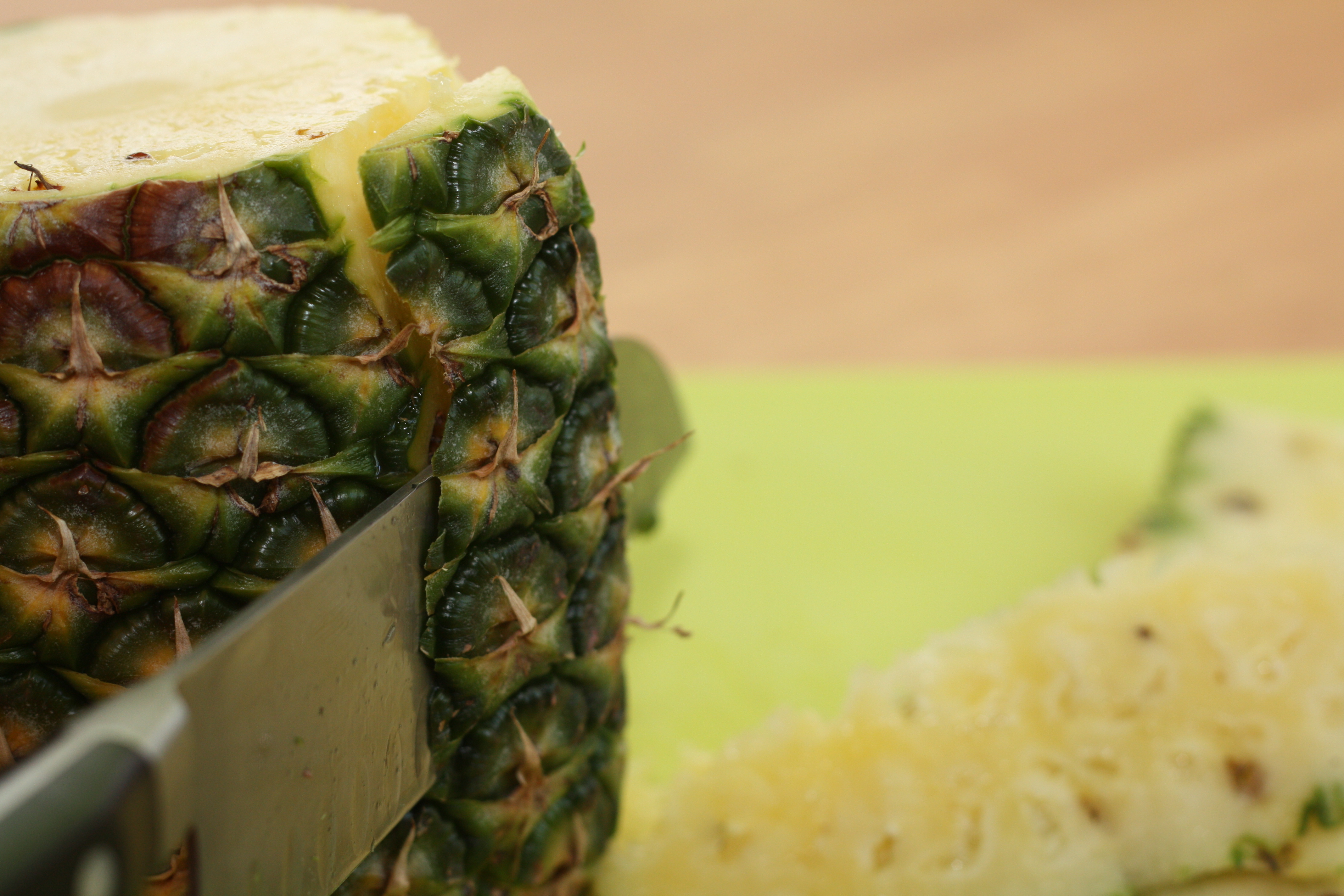
Carefully cut off the outer skin and eyes.

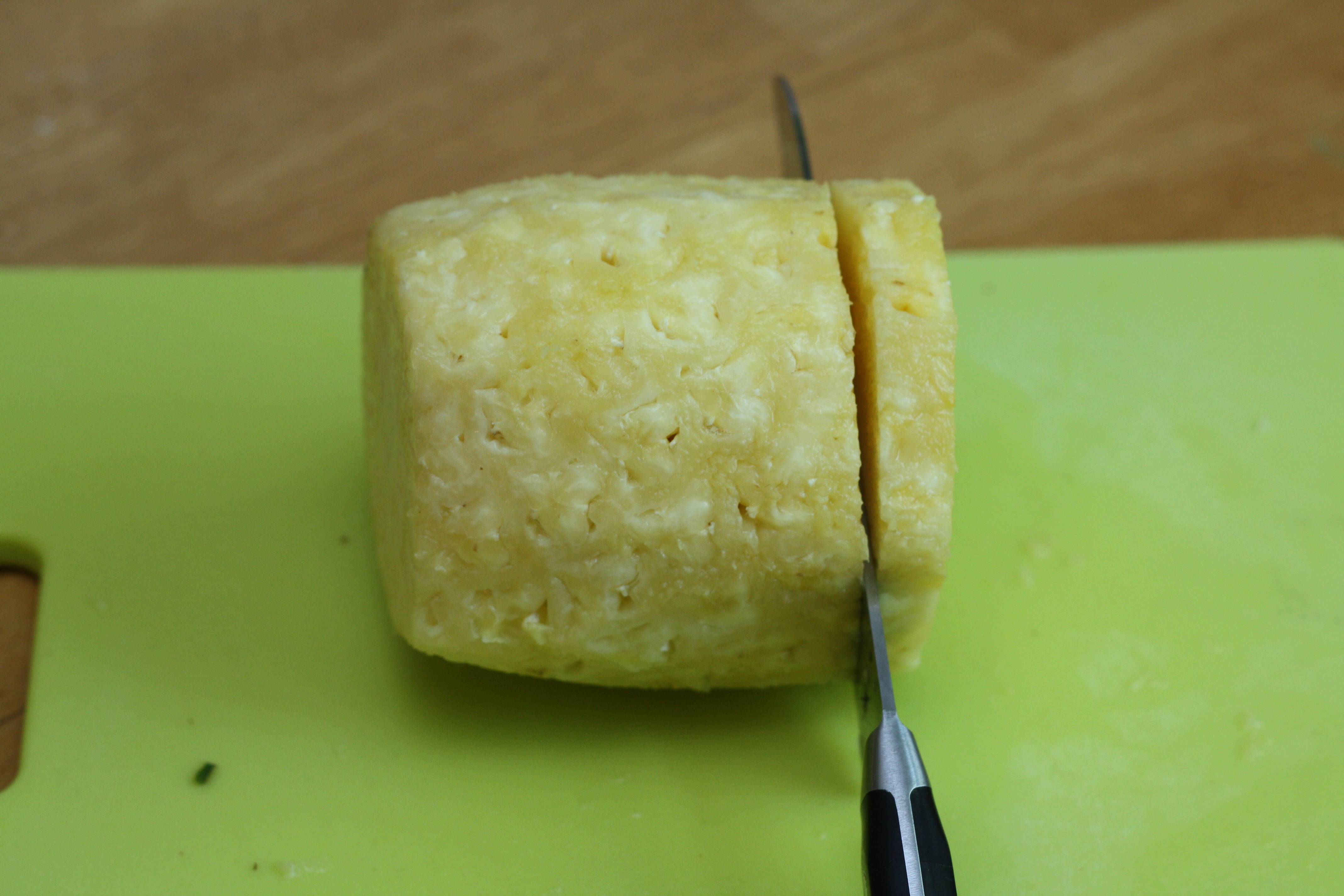
For rings, lay the pineapple on its side and slice.

Cut out the core.

For chopped pineapple, stand it up on the flat base and cut into quarters.

Cut out the core. Then chop as desired.

Thanksgiving in June

Posted on

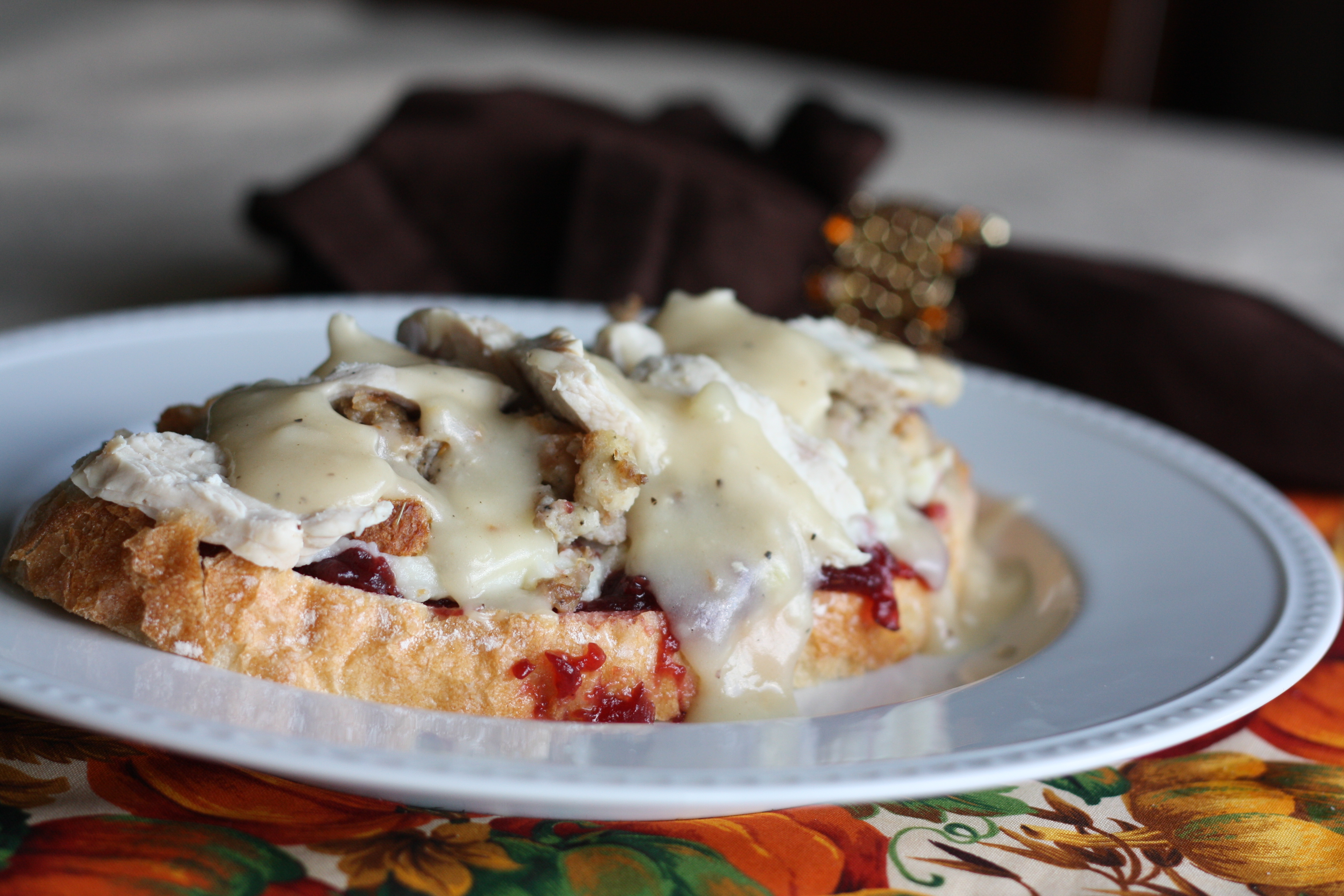
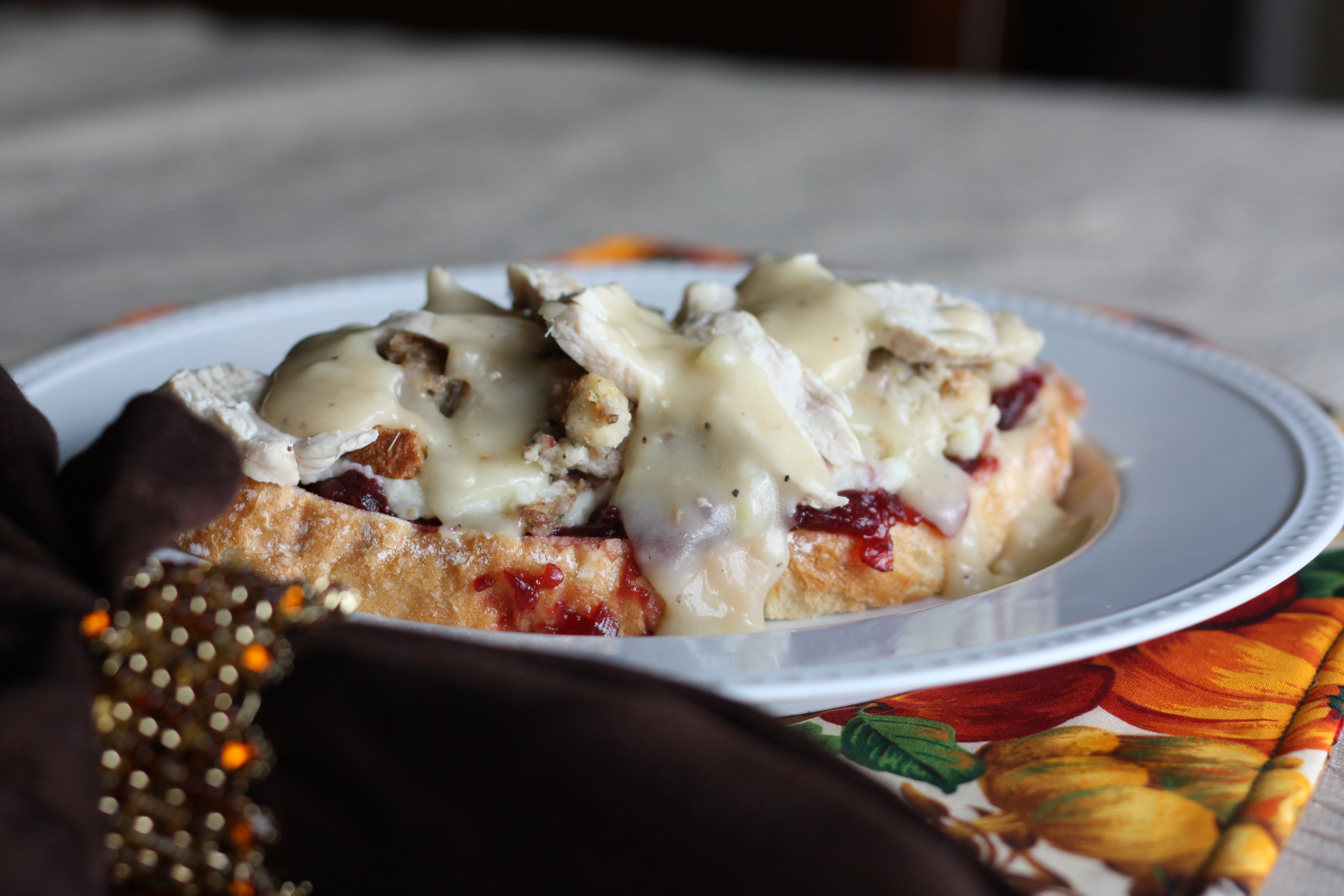
If we’re going to celebrate Christmas in July, then we’d better have Thanksgiving in June. But, don’t worry. I have no intention ofspending all day in a hot kitchen on a smoldering summer day. Tonight’s meal will have all of the flavor and satisfaction of a Thanksgiving feast, but we’re going to keep the ingredient list short, the preparation simple, and serve it up open-faced sandwich style.

Let’s talk turkey… Thanksgiving day is the only day of the year when I’ll even think about dealing with a whole turkey.  And even on Thanksgiving, I’ve been cooking the breasts separate from the drumsticks for the past few years. (I’ll explain in November.) For turkey on any other day of the year, I use boneless, skinless turkey breasts or turkey tenderloins. They’re lighter, cook faster, and will work perfectly for our open-faced Thanksgiving sandwiches.

Let’s gab gravy? As far as the gravy goes, I’d normally incorporate the turkey drippings for a flavorful sauce. But, the tenderloins I’m using today are so lean that they’re not going to generate much in terms of drippings.  So, to capture some of the turkey essence in the gravy, I’m searing the turkey, then baking it in the oven in a bit of chicken stock. Then we’ll combine the turkey-infused chicken stock from the pan with a bit more chicken stock and thicken it with a simple flour-butter roux to make a full-flavored pan gravy.

Let’s speak stuffing… (Sorry, I couldn’t help it.) For the stuffing, we’re using a slightly simplified incarnation of my traditional Thanksgiving stuffing. I’ve been cooking some version of this sausage and apple stuffing for the past few years. I love it.  The original idea comes from a recipe I found on the Food Network website (click here for the original recipe), but I’ve cut down on the spices for simplicity and because I think there’s enough flavor in the sausage, apples, and leeks. I can’t get enough of this stuffing. It’s quick, incredibly flavorful, and delicious! The key is to not add too much chicken stock. You want the stuffing to be moist, but not mushy. Add the stock slowly and stop as soon as it just starts to get sticky. You should end up with a stuffing that is moist, but bakes with a firm crust.

For the mashed potatoes, I’m using leftover Roasted Garlic Smashed Red Potatoes from last night’s dinner. I’ll include the recipe below. Regular mashed potatoes, sans roasted garlic, would work wonderfully too!

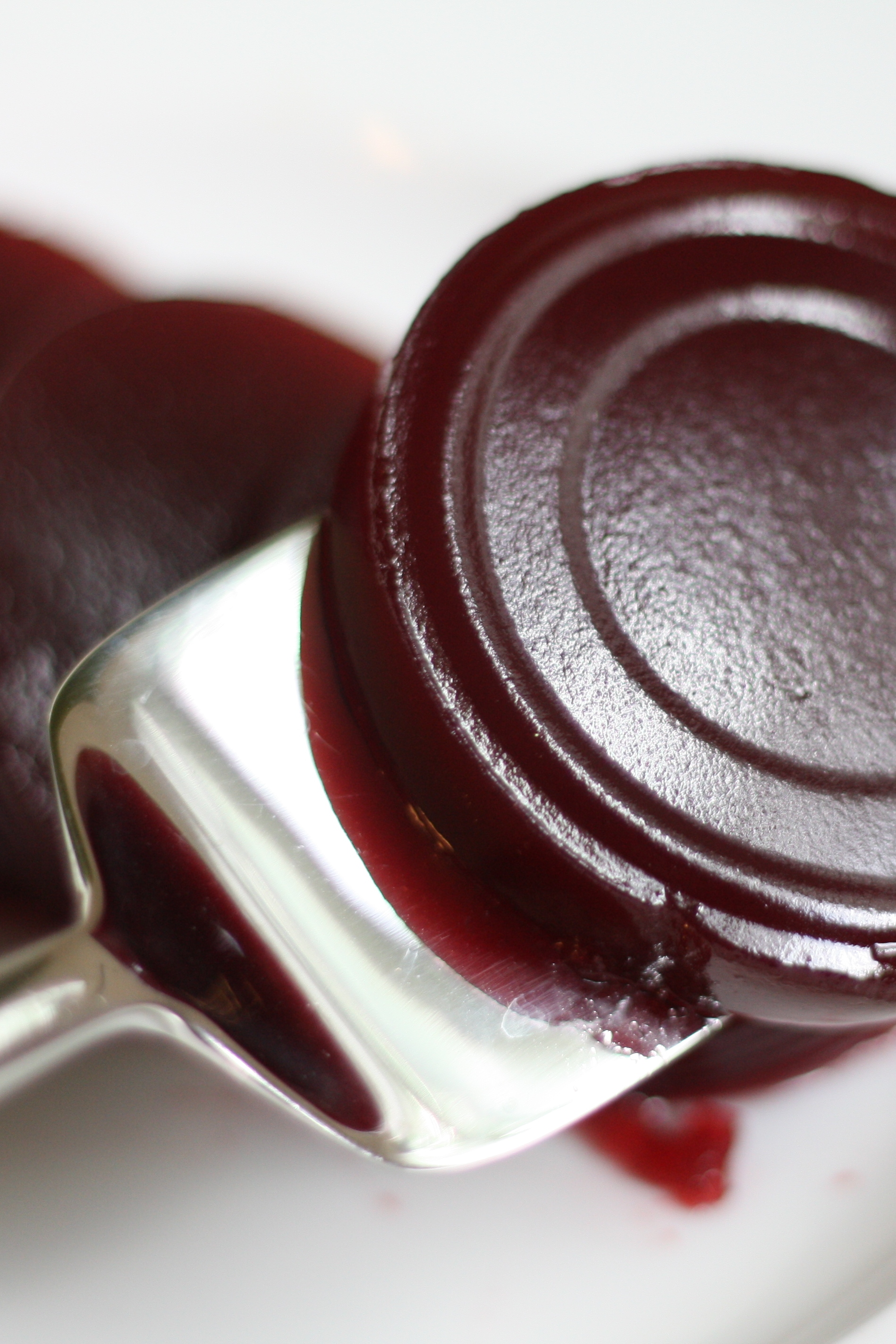
What Thanksgiving meal is complete without cranberry sauce?? You probably won’t find cranberries in the produce section during this time of year, but most supermarkets will carry them in the frozen foods section.  You can easily makes your own cranberry sauce with a bag of fresh, frozen cranberries, a bunch of sugar, and a little water or orange juice.  But, tonight I’m using canned, jellied cranberry sauce.  I can’t help it.  I love the stuff…especially the smooth end piece that has the mark of the can on it.  As a child, I remember calling dibs on that end slice and panicking that someone would get to it before I could. Ok, so the jellied stuff is completely loaded with high fructose corn syrup. Don’t eat it everyday. But it’s tasty and spreads beautifully, making it perfect for this sandwich!
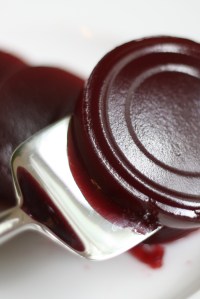
Keep your grubby paws off of my slice!

All of the sandwich components can be prepared ahead of time, refrigerated and then reheated in the microwave when you’re ready to eat!

Let’s get cooking…

Thanksgiving in June

Open-Faced Turkey Sandwiches

Open-Faced Thanksgiving Sandwich

Roast Turkey Tenderloins

Ingredients

  • 1 pound Turkey Tenderloins (approximately 4 tenderloins)*
  • 1 Tbsp Olive Oil
  • Salt and Pepper
  • 3/4 cup Chicken Stock

*You can substitute 2 boneless, skinless turkey breasts.

Directions

Preheat oven to 375 degrees. Heat the olive oil over medium heat, in a pan large enough to fit the tenderloins. Lightly season the tenderloins with a bit of salt and pepper and place them in the pan. Cook for a minute or so on each side to sear the meat. Pour chicken stock into the pan. Most of the turkey should not be covered by the stock. Place the pan in the oven* and cook for about 15-20 minutes, until the turkey is completely cooked. (An instant-read meat thermometer should read 165 degrees.) Remove the tenderloins. Keep the liquid in the pan for the gravy. When the tenderloins are cool enough to handle, cut into thin slices.

*If you do not have an oven-proof pan, you will need to transfer the seared tenderloins into a baking dish before adding the stock and baking.

Turkey Pan Gravy

Ingredients

  • 2 Tbsp Butter
  • 2 Tbsp Flour
  • Liquid Remaining from the turkey pan (should be about 1/2 cup)
  • 1/2 Cup Chicken Stock
  • Salt and Pepper, if desired

Directions

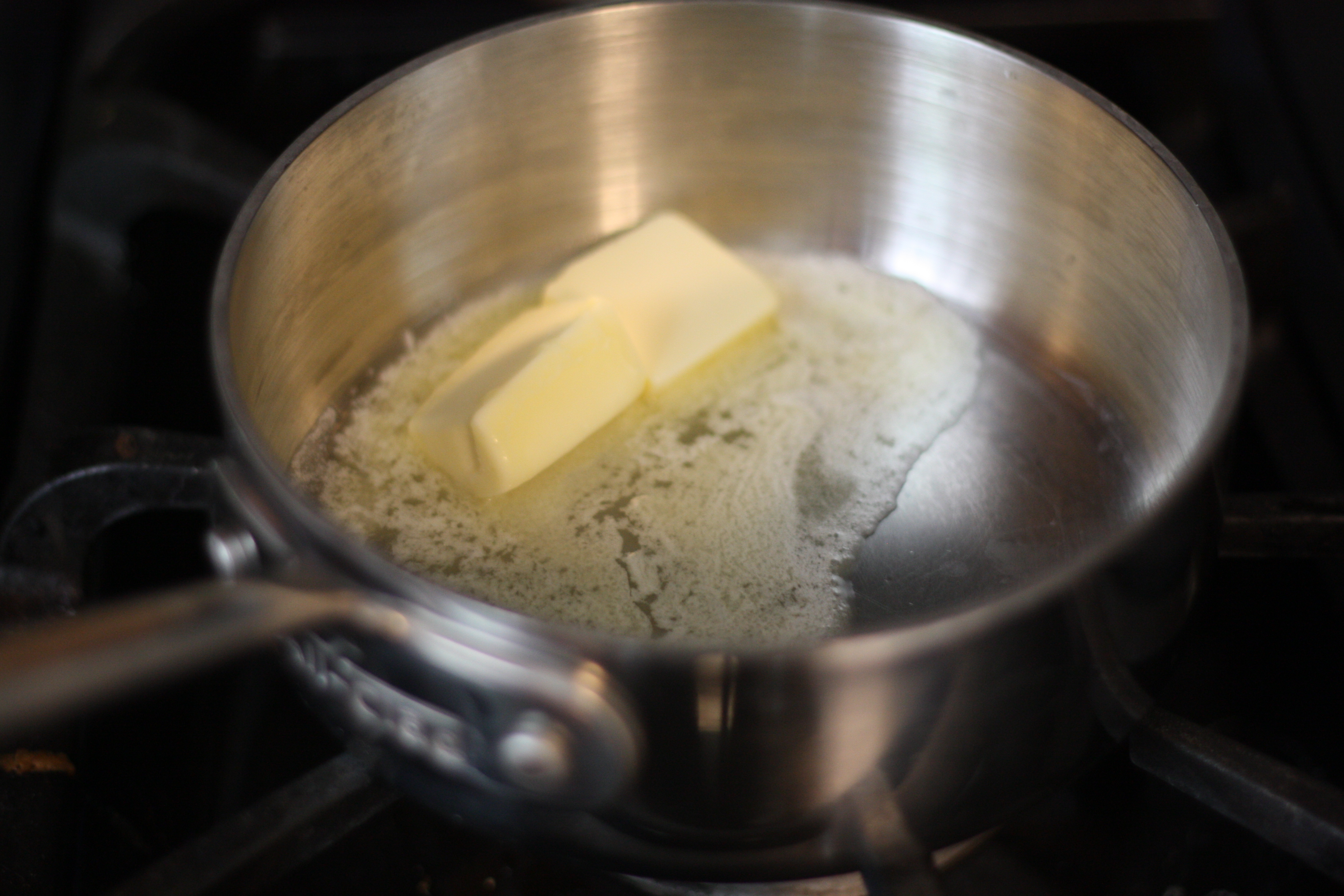
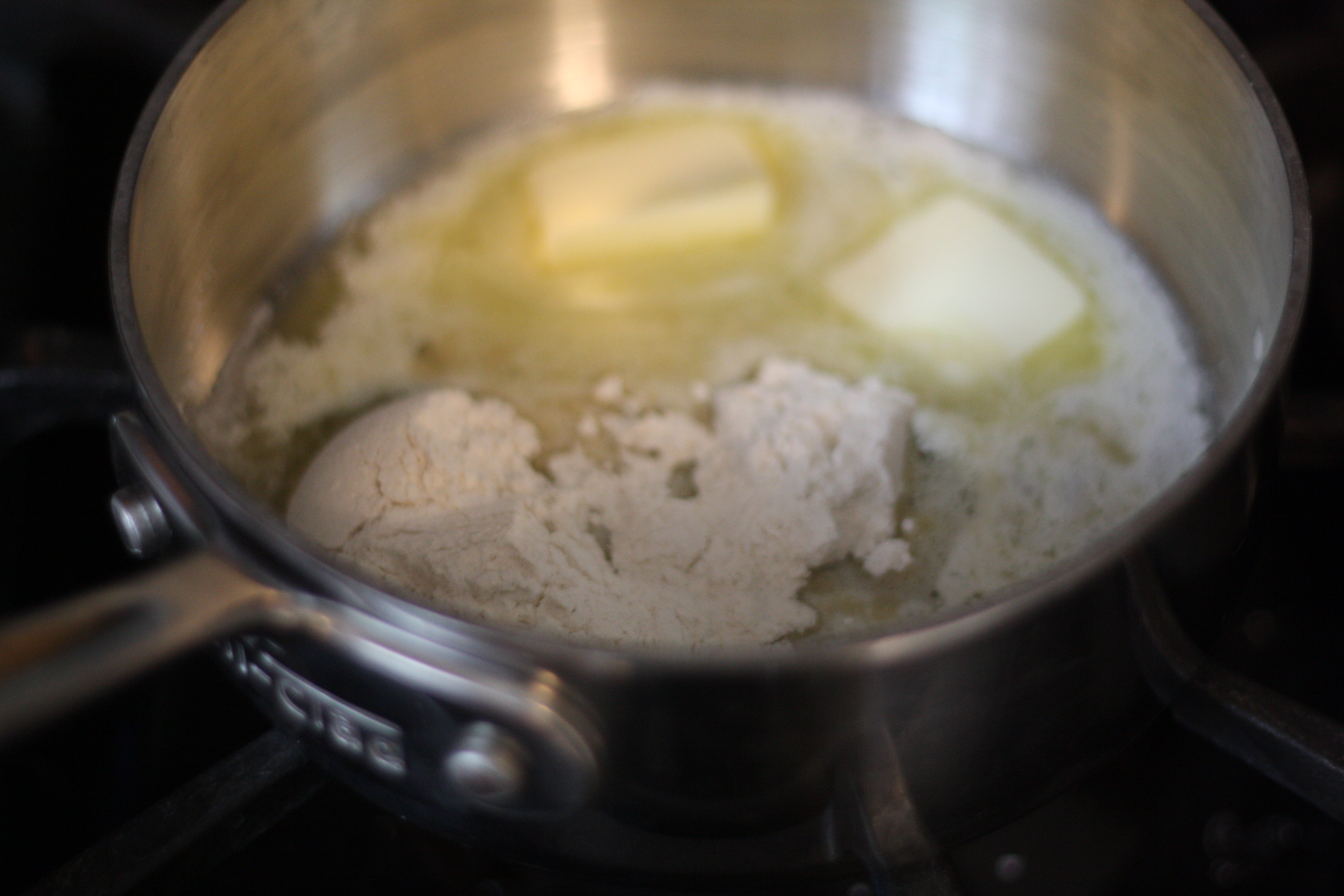
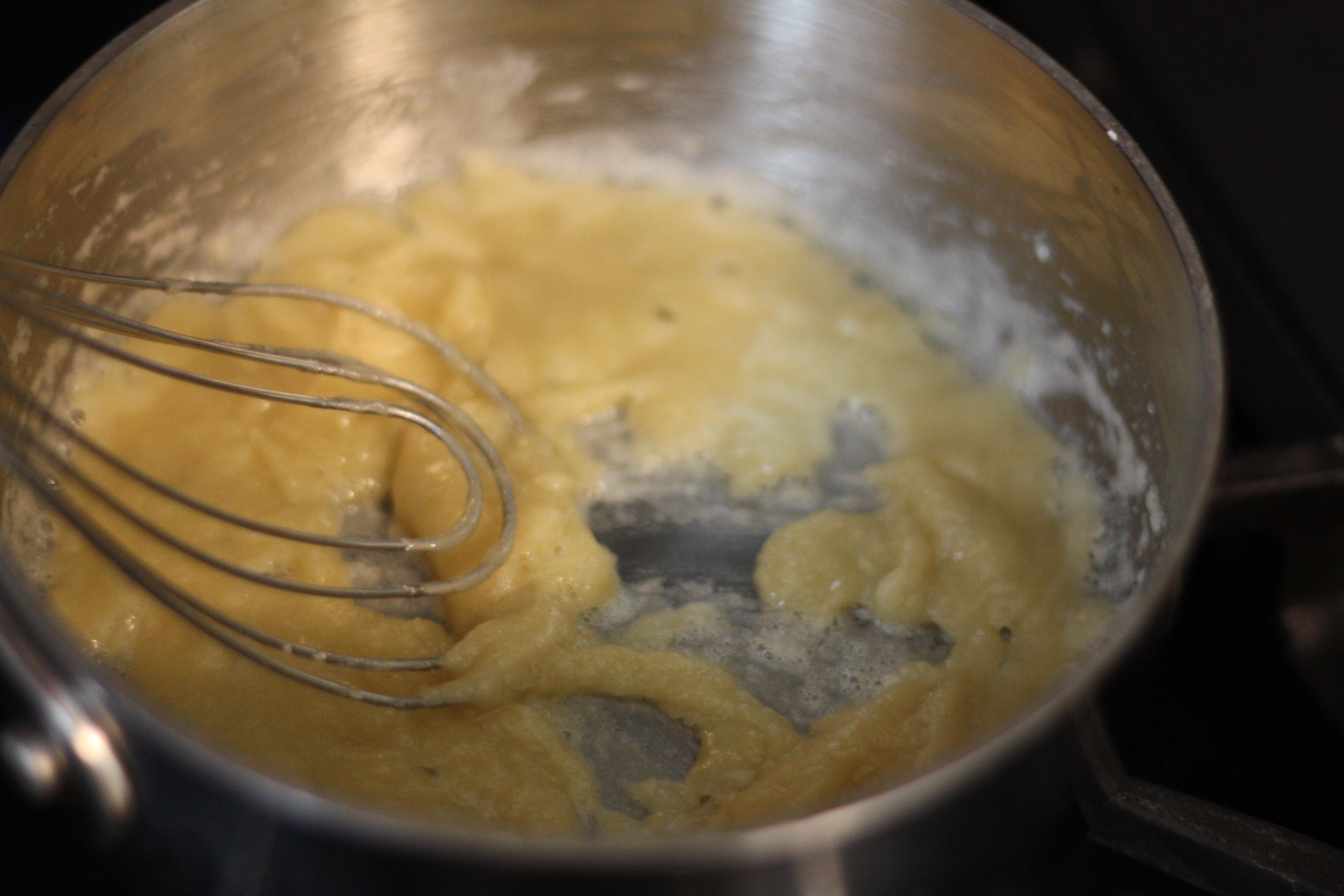
Make a roux by melting 2 Tbsp butter in a small pan. Add the flour. Whisk to combine. Continue whisking over medium heat for a few minutes to cook off the raw-flour taste. You should have a pale off-white pasty mixture. Set the roux aside. (See my guide for making a roux, here.)

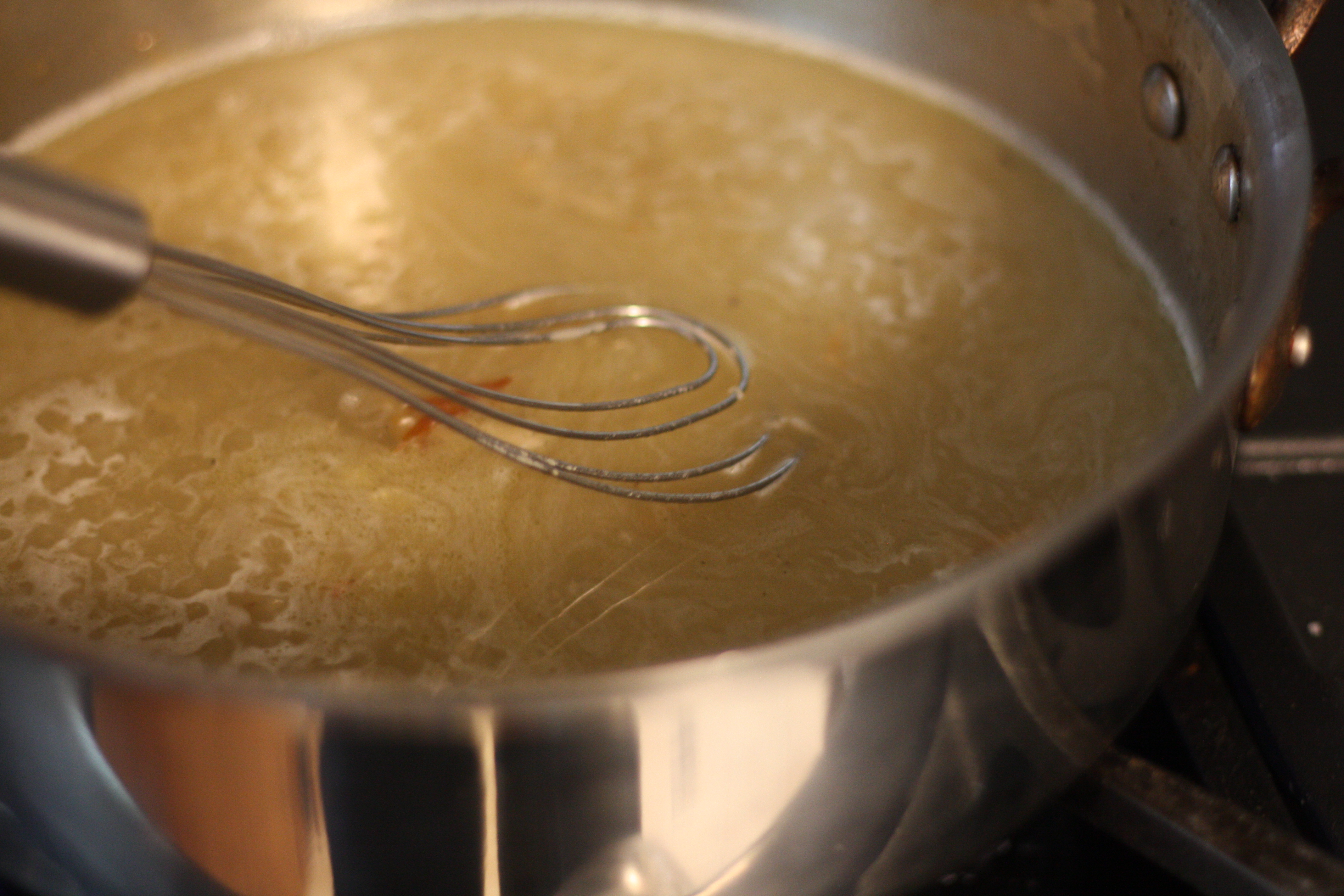
Add 1/2 cup chicken stock to the liquid in the turkey pan. (You should have about a cup of liquid altogether.) Bring to a simmer. Add about half of the roux and whisk vigorously until smooth. Continue simmering for a few minutes over medium heat until the gravy begins to thicken. For a thicker gravy, add more roux and simmer for a few more minutes. If the gravy becomes too thick, add a bit more stock. Taste and adjust seasoning with salt and pepper, if desired.

Roasted Garlic Smashed Red Potatoes

Ingredients

  • 1 1/2 pound bag of Baby Red Potatoes
  • 4 Tbsp Butter
  • 1 head Roasted Garlic*
  • 1/4 – 1/2 cup Milk
  • Salt and Pepper

*To see my guide for roasting garlic, click here.

Directions

Cut the potatoes in half or quarters, depending on size. Place in a pot and fill with cool water, just enough to cover the potatoes. Bring to a boil and cook for about 10 minutes or until a fork inserts easily. Drain. Return potatoes to the pot. Add butter and roasted garlic. Smash the potatoes, butter, and garlic to your desired smoothness. Mix in the milk. Start by adding 1/4 cup. Add more if desired, for creamier potatoes. Season with salt and pepper.

Sausage, Apple, and Leek Stuffing

Ingredients

  • 3/4 pound Bulk Breakfast Sausage
  • 1 Tbsp Butter
  • 2 Apples, peeled and diced
  • 1 cup Leeks, finely sliced (about 1 large leeks)*
  • 4 cups herb-seasoned bread cubes
  • 1 1/2 cups Chicken Stock
  • Salt and Pepper, if desired

*To see my photo guide on leeks, click here.

Directions

Preheat oven to 375 degrees. In a pan, cook the sausage until fully cooked, about 8-10 minutes. As it cooks, use a spoon to break up the sausage into small pieces. Remove the cooked sausage and place it in a large bowl. In the same pan (no need to clean it out) melt 1 Tbsp butter over medium heat. Add the apples and leeks. Cook for 3-4 minutes until softened. Add them to the bowl with the sausage. Add bread cubes. Stir to combine. Slowly add the chicken stock, stirring between additions to give the bread a chance to absorb the stock. Continue adding stock until the stuffing is moistened but not mushy. Most of the bread cubes should still appear as cubes. (1 1/2 cups of stock should be about right, but add a little less or a little more, as needed to get the right consistency.) Place the stuffing in a baking dish and bake for about 30 minutes, until heated through and the top feels firm.

To compose the sandwich:

You’ll need 4 large slices of bread. You can use any type of bread, but something thick and doughy, like rye or sourdough will work best. I used a big slice of Pain de Campagne. Spread a thin layer of cranberry sauce on each slice of bread.  Top with a scoop of mashed potatoes and a scoop of stuffing. Cover with slices of turkey. Pour a bit of gravy over the turkey. Serve hot, with creamed spinach or your favorite Thanksgiving vegetable.

Serves 4

Happy Thanksgiving in June! I’m thankful for all of you!

How to Make a Roux

Posted on

A roux, pronounced Roo, is a thickening agent made up of equal parts fat and flour. Any fat, such as oil, bacon grease, or shortening can be used, though whole butter or clarified butter are the most common. Roux is commonly used to thicken sauces, stews, soups, and gravies. A roux can be white, blond, or brown, depending on the length of time it is cooked. A darker roux has a stronger flavor, but has less thickening power. A white roux is the strongest thickener and a neutral flavor. Roux is simple to make. It can be prepared ahead of time and refrigerated until you need it.

Here’s a guide for making a small quantity of roux. You can increase the amounts, as needed, to make larger batches.

Over low heat, slowly melt 2 Tablespoons butter.

Once the butter has melted, add 2 Tablespoons of all-purpose flour.

Whisk to combine the melted butter and flour.

Continue whisking over medium-low heat for a few minutes to remove the raw-flour taste. The roux should have the consistency of a paste.

This procedure will produce a white roux. To produce a blond or brown roux, continue cooking until it begins to take on a darker color.

To thicken a liquid with your roux: A roux made with 2 Tbsp butter and 2 Tbsp flour is just about the right amount to thicken 1 cup of liquid, depending on your desired thickness. Bring your liquid to a simmer. Add some of your roux and whisk rapidly to combine. Allow it to simmer for a few minutes. The thickening power of a roux is activated by the simmering. If desired, add more roux and simmer for a few more minutes to gauge the thickness. If it’s not thick enough, add more roux. If too thick, add more liquid.

How to Clean and Slice Leeks

Posted on


Leeks, a vegetable with a mild onion flavor, are a wonderful addition to many dishes. They are grown in dirt and have a tendency to gather dirt between the leaves. For this reason, they require just a bit of care to properly clean and slice. Here’s a little guide to get you on your way towards enjoying some leeky goodness…

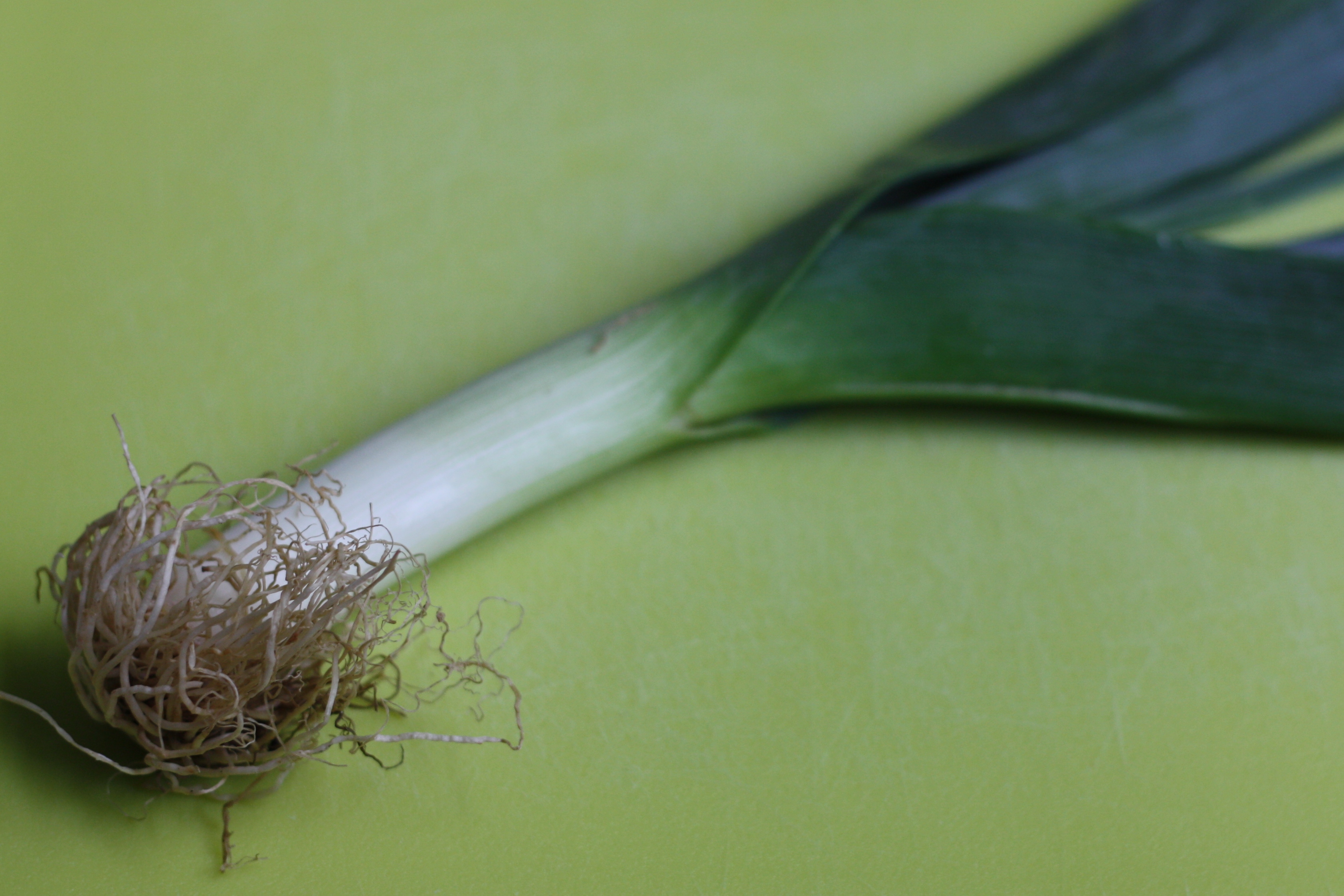
Start with one fresh, delicious leek.

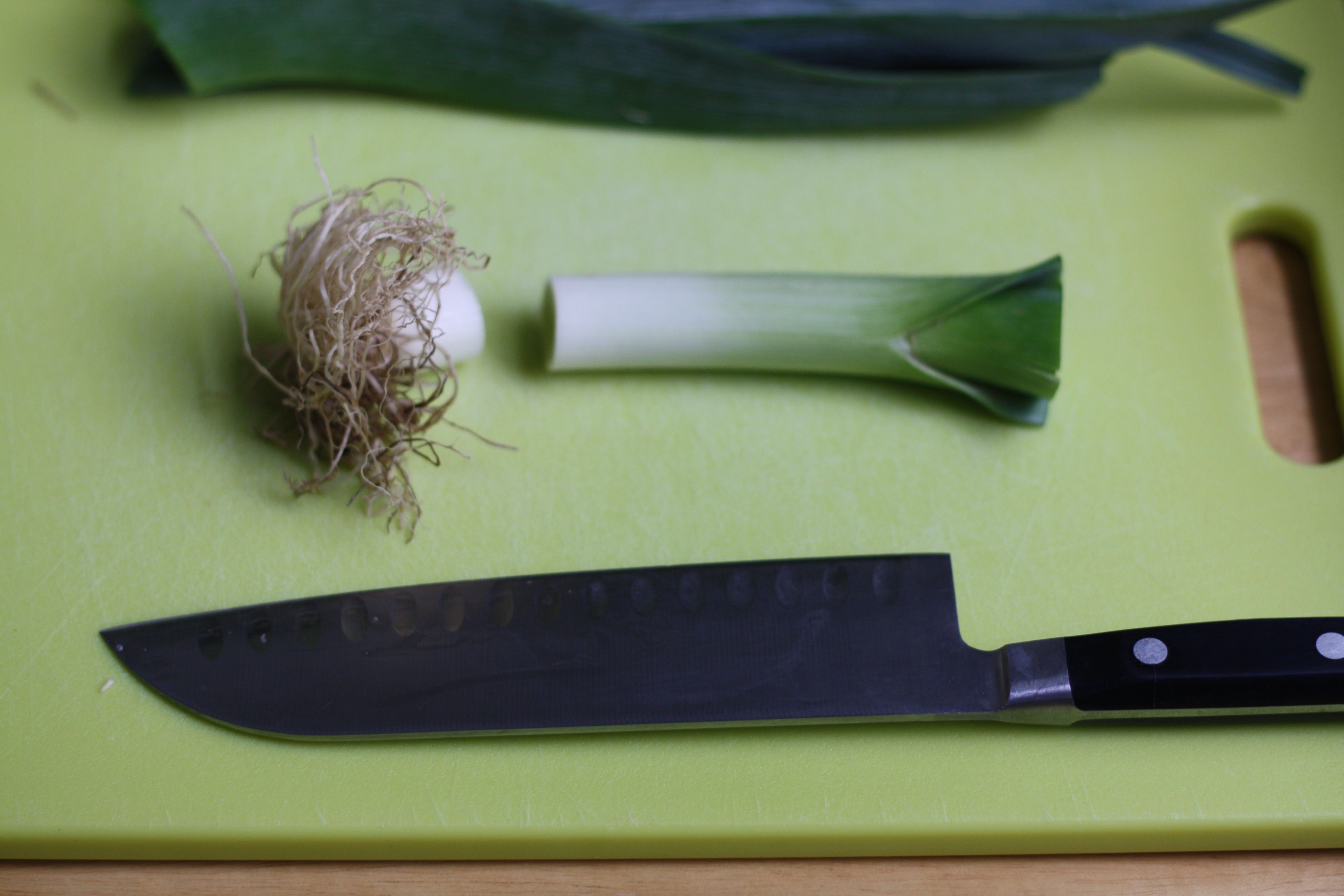
Cut off the tough, dark green leaves.

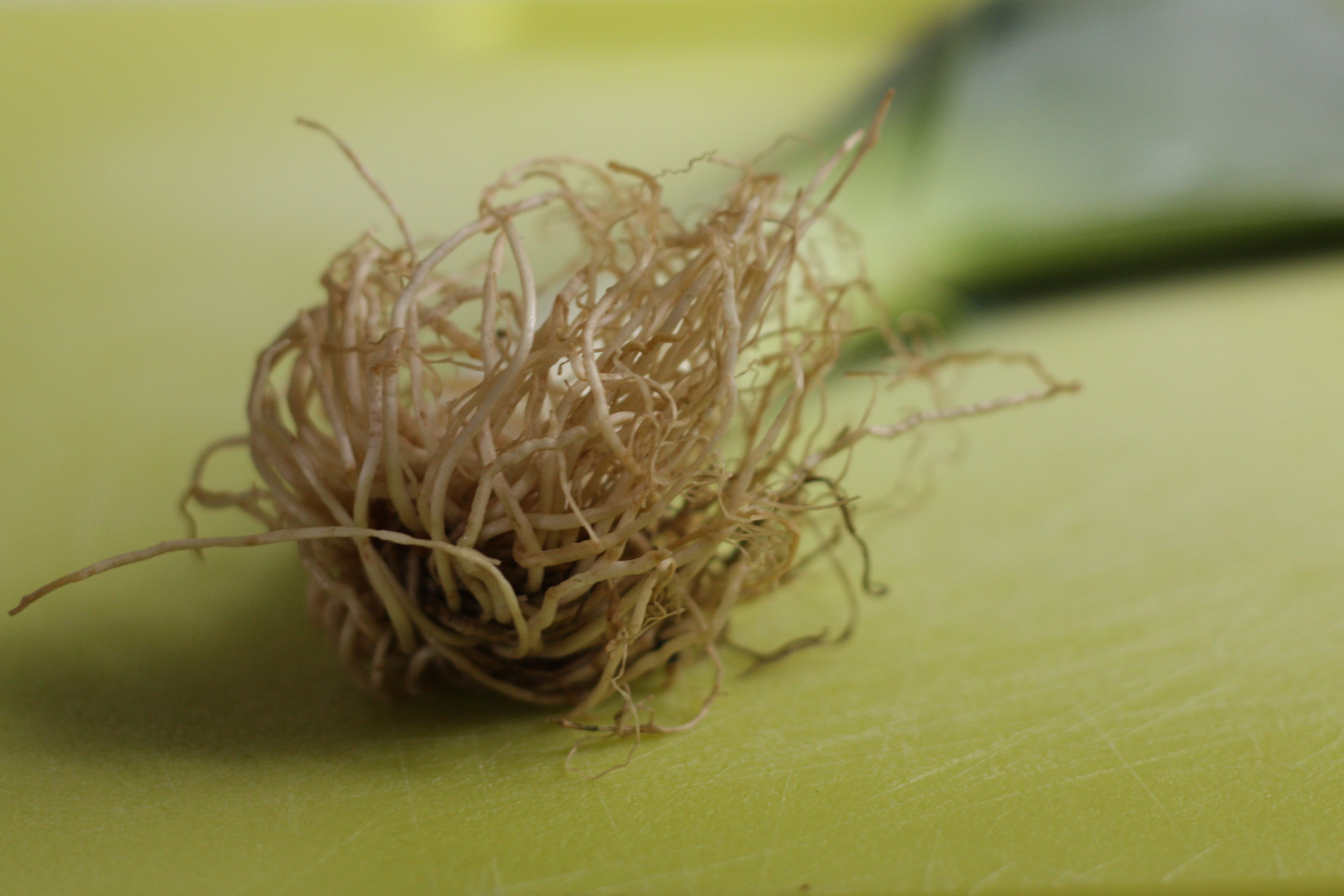
Cut off the root.

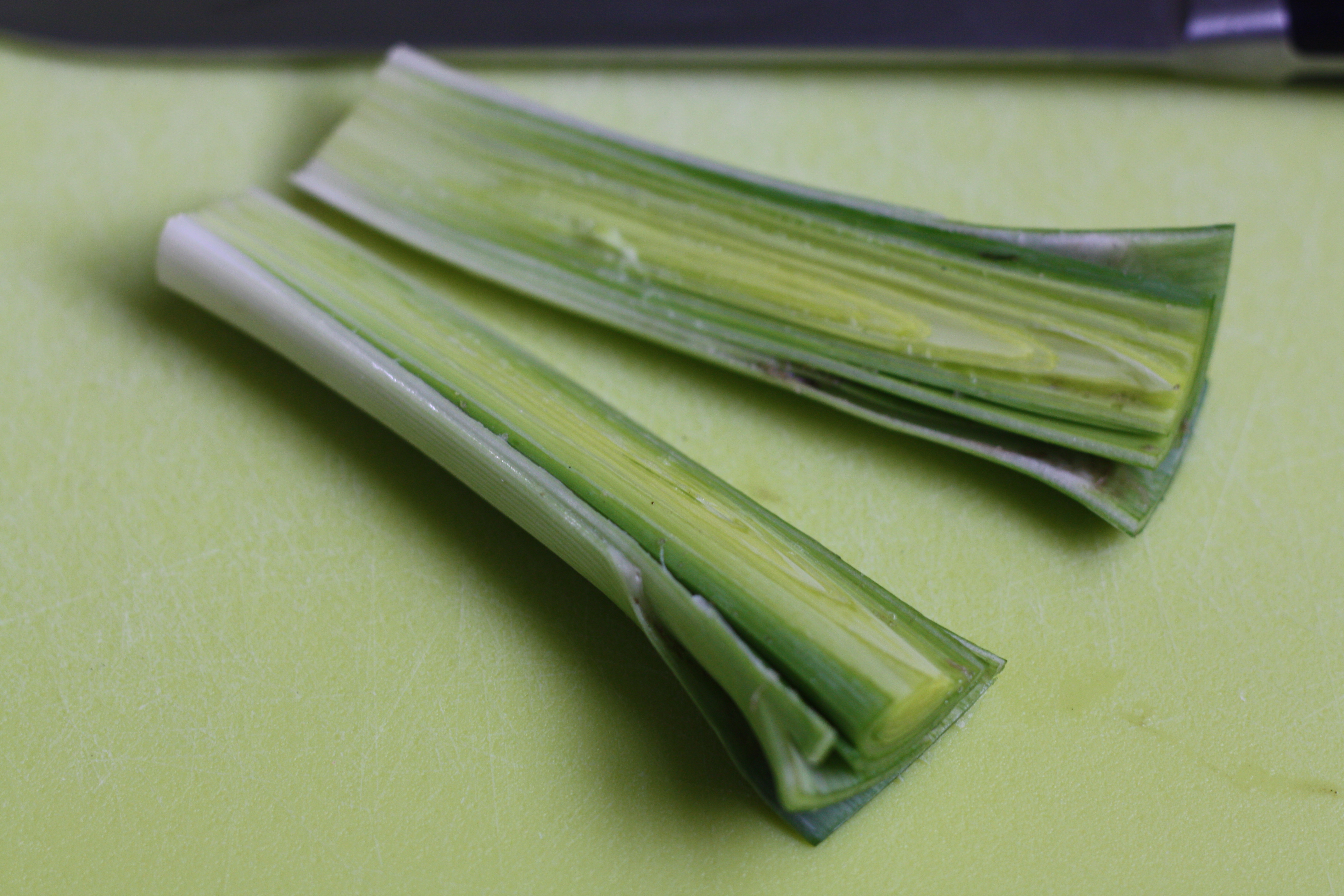
Cut the remaining white and light green part in half lengthwise.

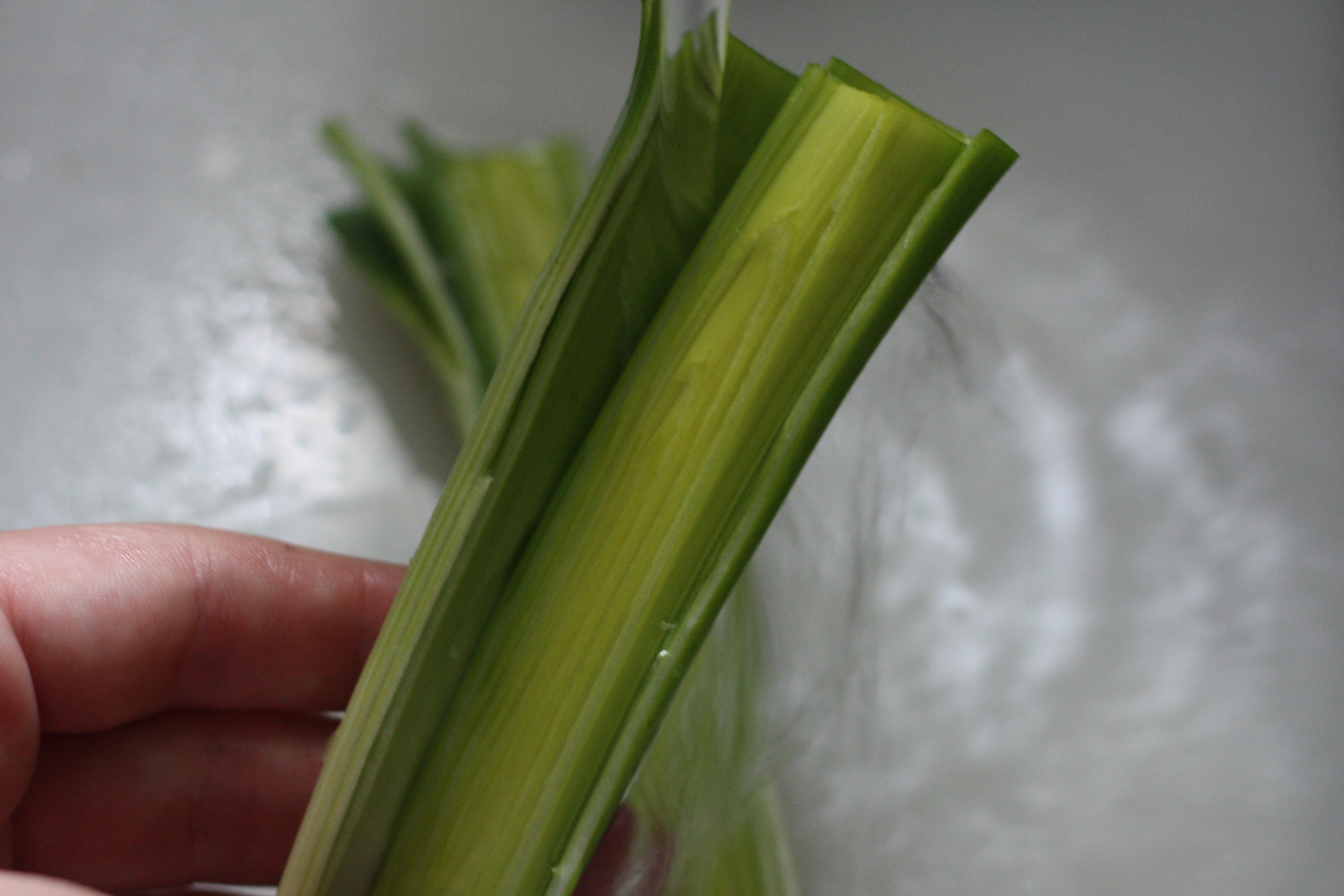
Rinse the leeks under cool water, using your fingers to separate the layers and rub off any dirt.

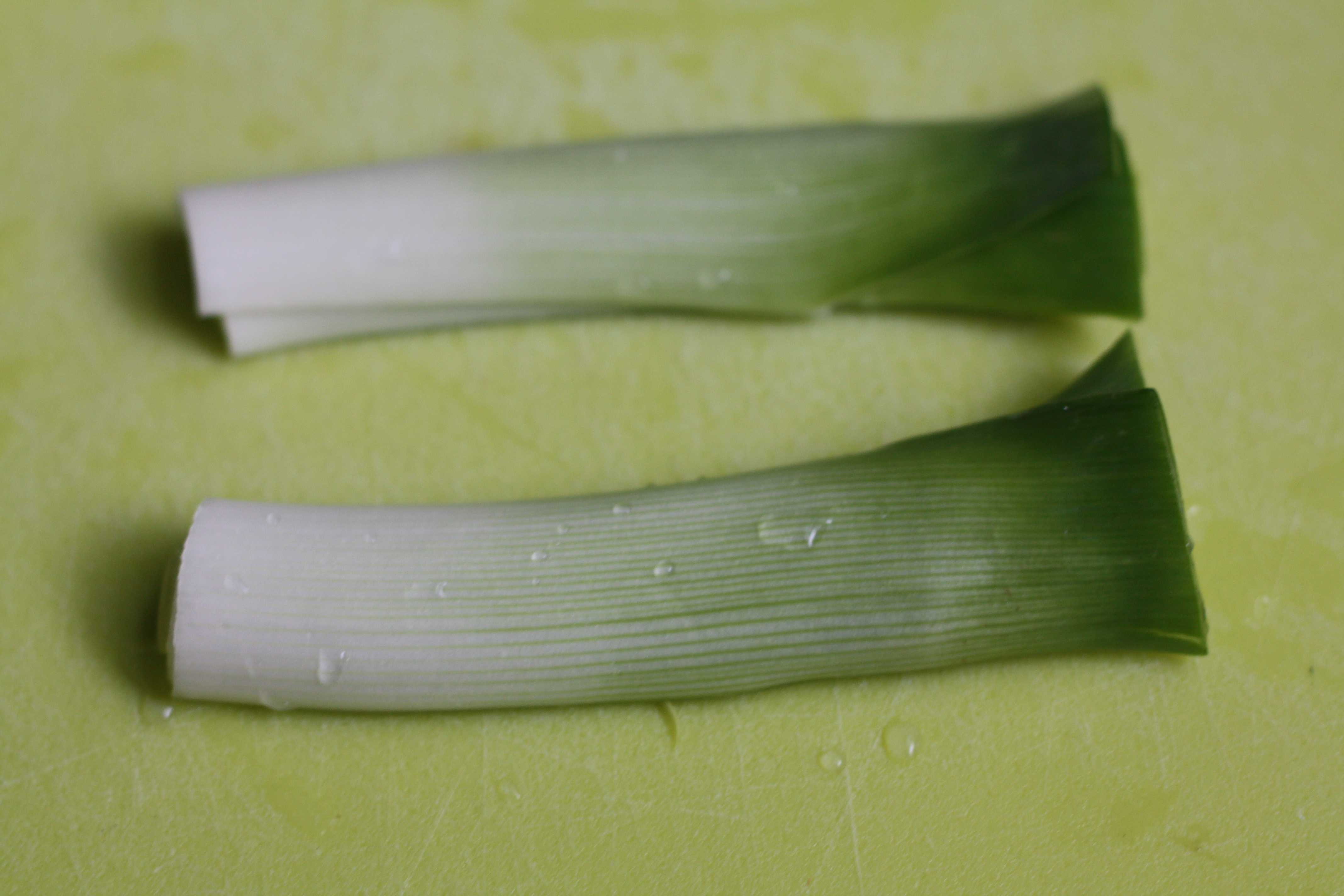
Place your clean leeks on a cutting board, cut side down.

Slice your leeks.

Use your mild tasting, sliced leeks just about anywhere you'd normally use onions.

Alternatively, you can slice the leeks before washing and place in a bowl of cool water. Swish the leeks around until the dirt settles on the bottom of the bowl. Scoop out your cleaned, sliced leeks.

Brunch – It’s the meal that comes with a Mimosa

Posted on

There’s breakfast, lunch, and dinner. And then there’s BRUNCH, the meal that comes with a Mimosa. Sign me up for that one! I do love a good, hearty brunch! Aside from enjoying my darling breakfast at lunch time, brunch usually means good times with good friends and family.

Yesterday, we hosted our first Brunch to BBQ party. And it was a fantastic success, though we never actually fired up the grill. We started with a wonderful brunch and several Mimosas. Then, we lied around on the living room floor until we felt like we could move again, watched a bit of the World Cup and then headed outside for a few games of Polish Horseshoes. My sister whipped up a batch of margaritas and the festivities continued. Later in the day, we enjoyed dinner and then relaxed in the backyard until it was time to sleep. A great day!

Here are a few details on the brunch…

Eggs Benedict

Eggs Benedict

Ingredients

Directions

Preheat oven to 250 degrees. Toast English muffins in a toaster. Place on a baking sheet in the oven to keep warm while you assemble the other components. In a skillet over medium high heat, cook each slice of Canadian Bacon for a minute or two on each side, until it is hot and slightly browned. Place one slice on each English muffin in the oven to keep warm. Poach the eggs, according to the procedure shown here. Hold the eggs in the cold water bath while you prepare the hollandaise sauce (Recipe here). Prepare the hollandaise sauce and keep it warm above a bowl of warm water. Reheat the eggs by gently placing them in a pot of barely simmering water for about a minute. Remove the eggs and dry on a paper towel. Place one egg on each English Muffin. Top with a spoonful of hollandaise sauce. Serve immediately.  Serves 4


*As a little variation, use smoked salmon in place of the Canadian Bacon. Just don’t cook the salmon or put it in the oven!

Salmon Eggs Benedict

Brunchy Beverages

Brunch and Mimosas go hand in hand. Bellinis are another brunchilicious option. Both Mimosas and Bellinis are champagne cocktails. Mimosas mix orange juice with champagne while Bellinis traditionally combine champagne with peach nectar. About 2 ounces of fruit to 4 ounces of champagne should do the trick. Substitute other fruit nectars to make your own variation. For a non-alcoholic option, use ginger ale or sparking cider instead of champagne.

Mango Bellini

Homemade Cream Cheese with Bagels

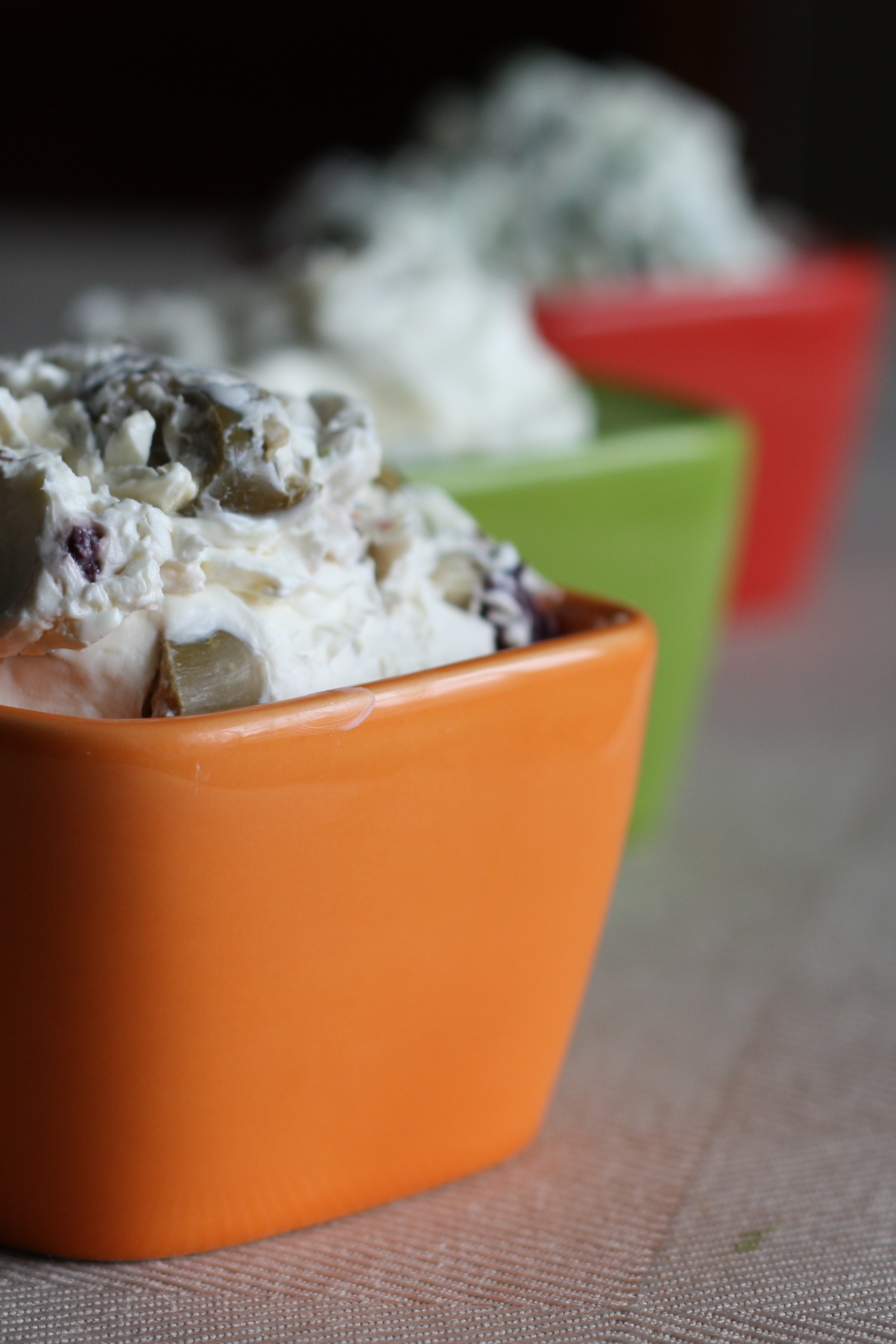
Make your own flavored cream cheese by softening cream cheese and adding your own flavors. For today’s brunch, I made scallion cream cheese by mixing in a bunch of chopped green onions and an olive cream cheese using a mix of chopped olives. Sliced Spanish olives with pimento would work great too! After you stir in your flavoring, put the cream cheese back in the refrigerator to cool before serving. A few other ideas for homemade cream cheese flavors: Smoked Salmon, Strawberry, Veggie, Blueberry, Honey-Nut, Roasted Garlic, Sun-dried Tomato, Maple, Cinnamon Apple, Cherry Almond, Spicy Pepper.

Homemade Cream Cheese

Breakfast Pizza

Breakfast Pizza

My sister treated us to her breakfast pizza, which as she explains, is based off of a breakfast pizza she saw offered at a Hess gas station. Imagine my surprise! Basing a dish off of something you saw at a gas station?? I suppose food inspiration can come from anywhere! I may base my next Beef Wellington off of Hess’ food offerings. All kidding aside, this pizza is delicious. It’s easy to put together and makes a great dish for guests.

Ingredients

  • 1 Prepared Pizza Crust (my sister uses a whole wheat crust)
  • 1/2 pound Bacon
  • 1 1/4 cup Mozzarella Cheese, shredded
  • 6 Eggs
  • 1/4 cup Milk
  • 1/4 cup Cheddar, shredded
  • Salt and Pepper

Directions

Preheat oven to 450 degrees. In a skillet, cook bacon until crispy. Allow bacon to drain. Then, crumble it into small pieces. Reserve bacon grease. Whisk the eggs together with the milk. Season with a bit of salt and pepper and then cook in a pan until scrambled. Set aside. Brush the pizza crust with a bit of the bacon grease. Sprinkle about a cup of the mozzarella cheese over the crust. Top with the scrambled eggs and bacon. Sprinkle the remaining mozzarella and the cheddar cheese on top. Season with a bit of pepper. Bake for about 8-10 minutes.

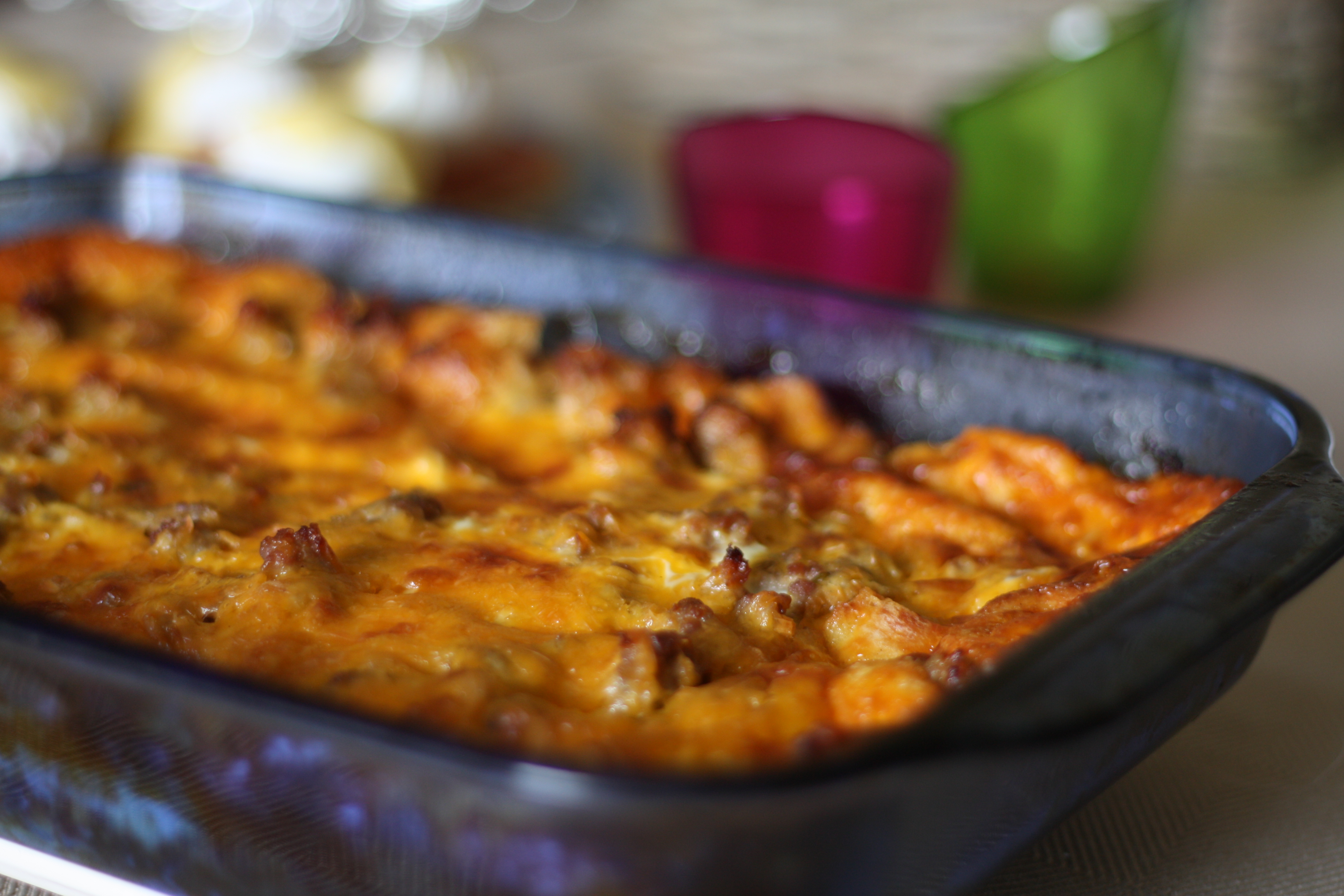
Breakfast Casserole

Sarah's Breakfast Casserole

A good friend brought along a breakfast casserole, a delicious mix of eggs, cheese, bread, and sausage. She explained that ever since she enjoyed this dish at a friend’s house, it’s been her go-to breakfast recipe. It’s a great all-in-one breakfast dish that’s perfect for a crowd. My mother in law makes a similar casserole, but she uses peppers and onions too. They’re both delicious. I’ll have to get the recipes to share with you soon!

Part 1 of our day was perfect!  The food, the drinks, and the company were all amazing.

Round 1 Results: Food - 0 The Gourmand Mom - 1

To be continued…

How to Clarify Butter

Posted on

Clarified Butter is butter that has been melted in order to remove the milk solids and water from the butterfat. Clarified butter has a higher smoke point than regular butter, which makes it a good choice for certain recipes, since it is more resistant to burning. It is also commonly used in making hollandaise and bernaise sauces.

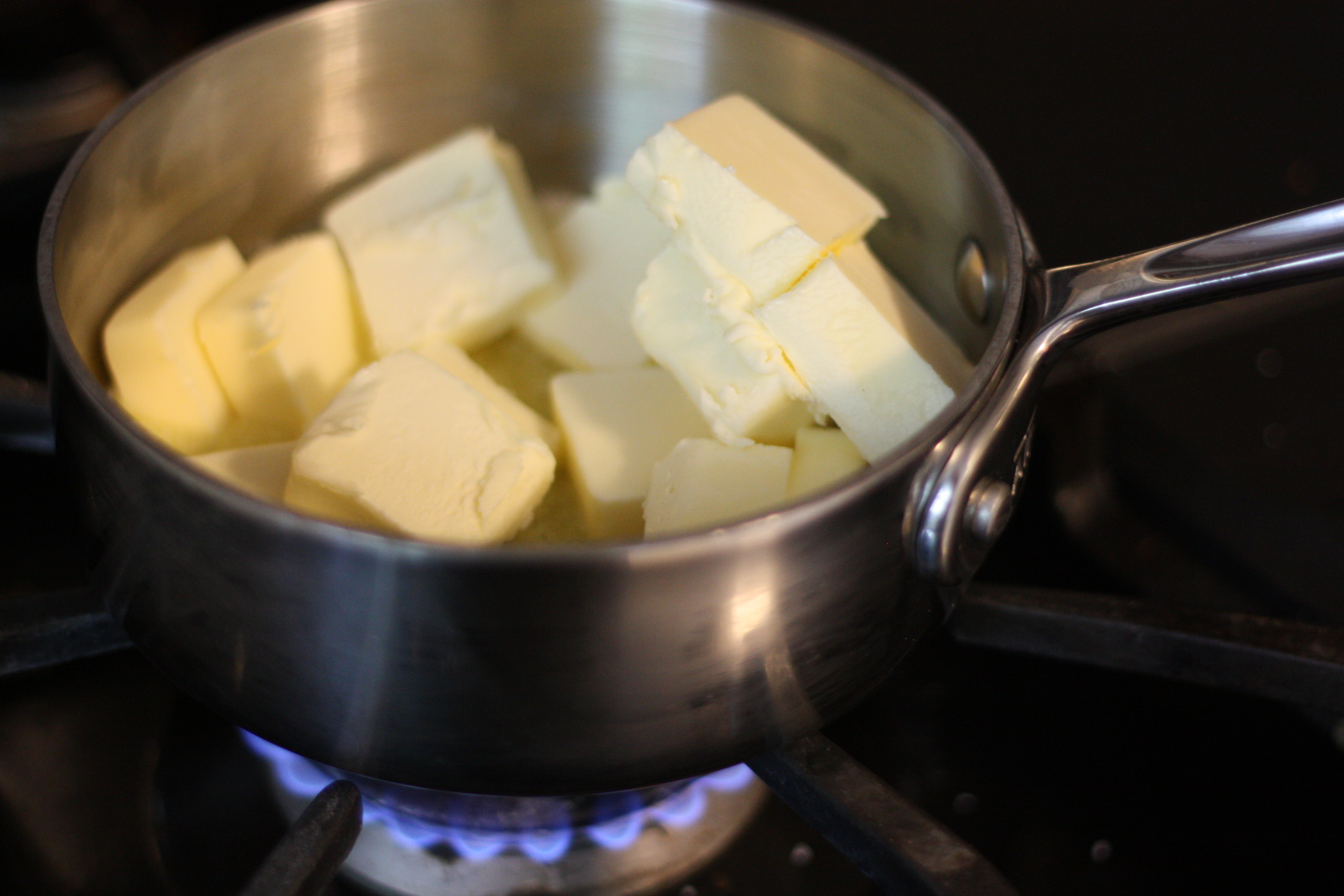
Cut unsalted butter into chunks. Always use unsalted butter to make clarified butter.

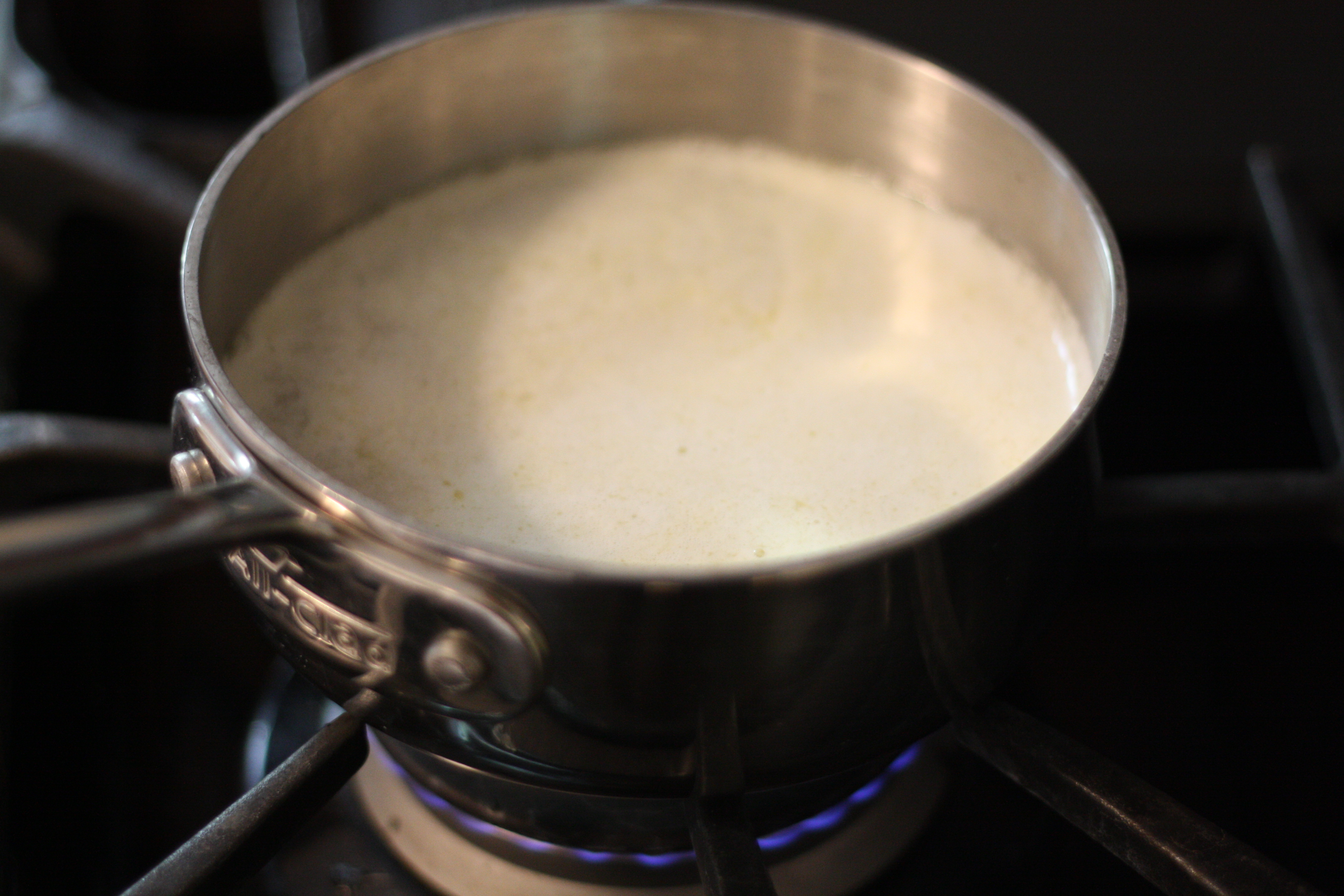
Over very low heat, slowly heat the butter until it is completely melted. Do not simmer the butter.

Some of the milk solids will create a foam on the surface of the butter.

Use a spoon to carefully skim off and discard the milk solids.

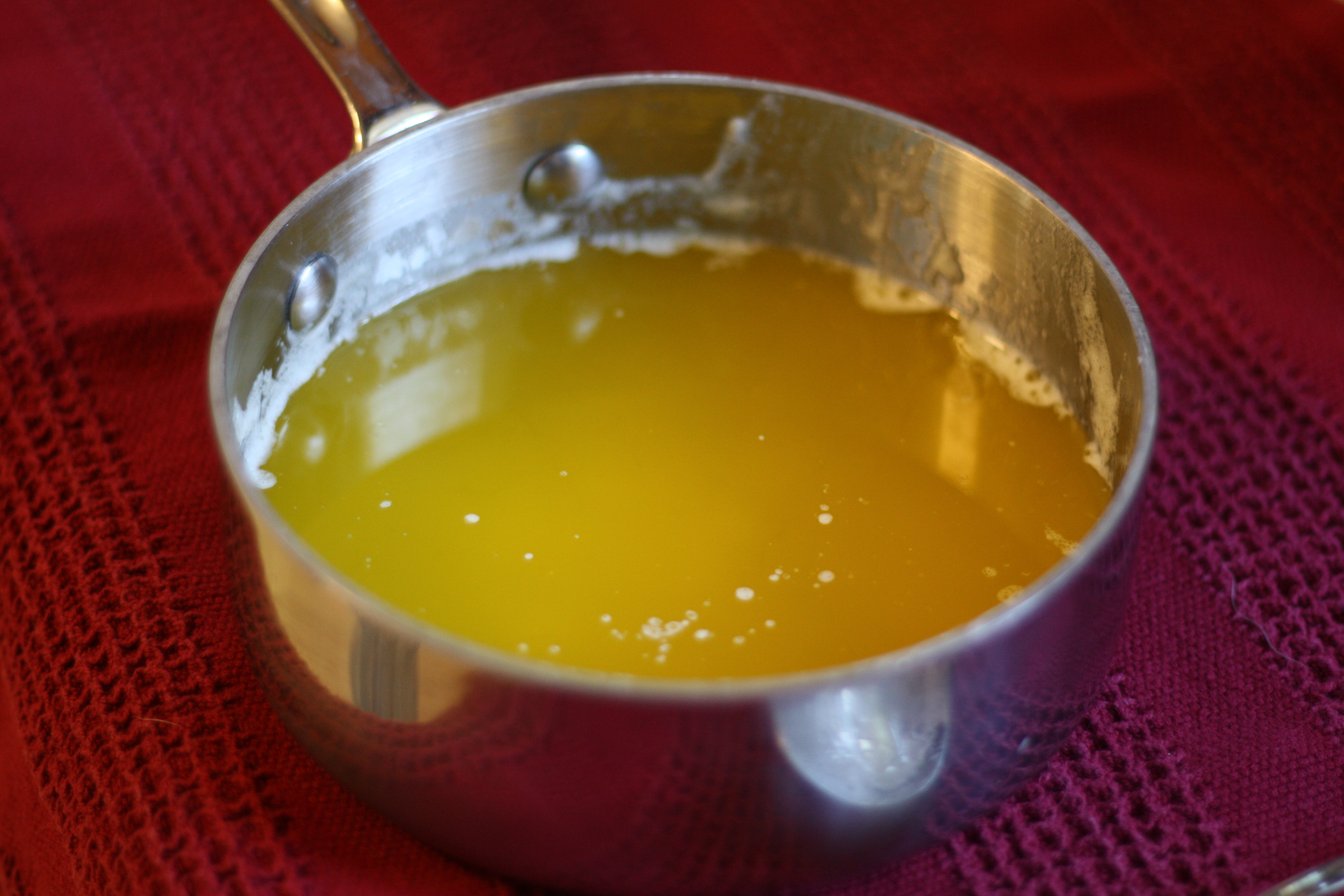
You will reveal the layer of clarified butter.

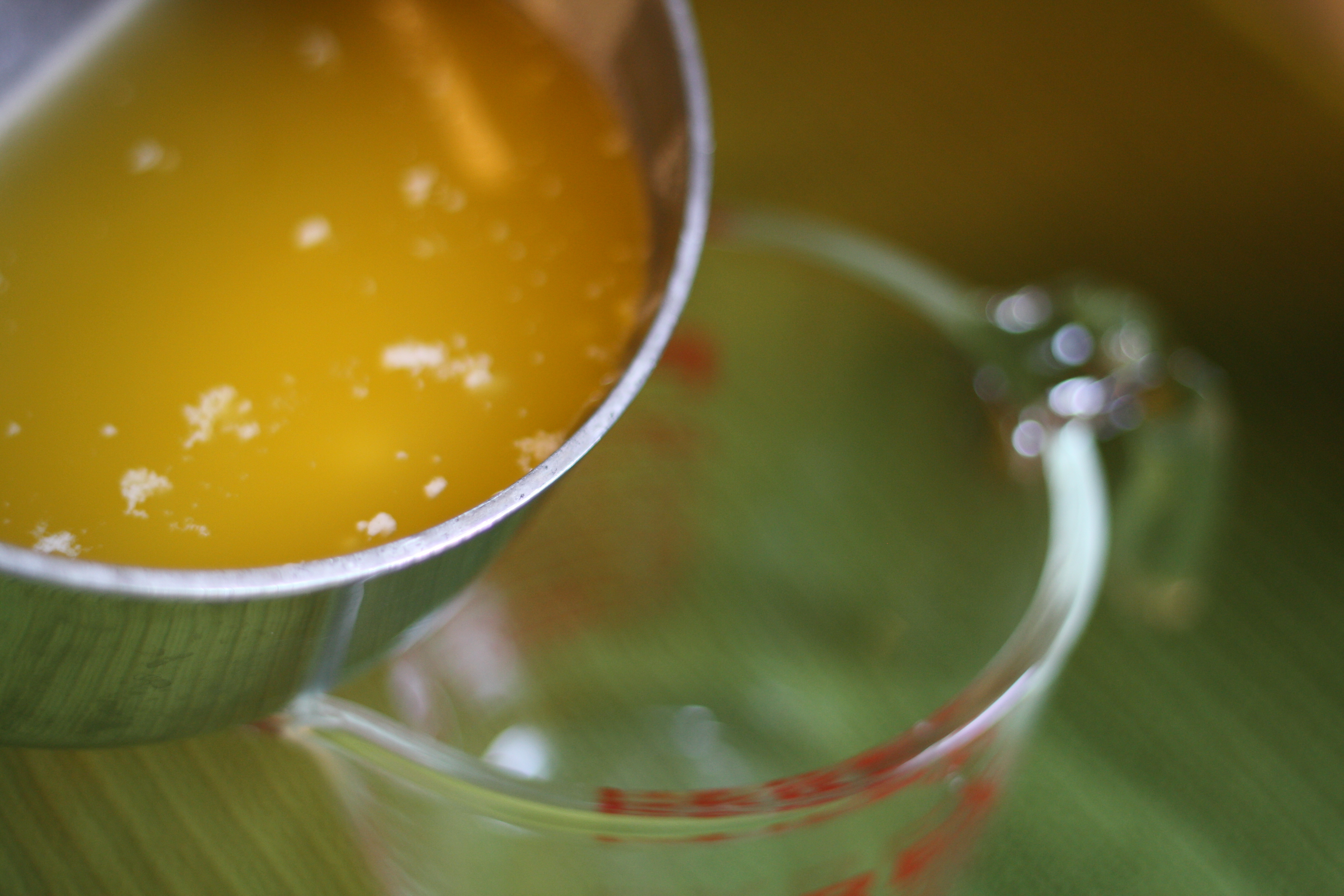
Slowly pour clarified butter into a cup, being careful not to pour in the layer of milk solids which will have collected on the bottom.

Two sticks of butter will produce about 6 ounces of clarified butter. It can be refrigerated until you are ready to use.

How to Poach an Egg

Posted on

Poached eggs can be prepared without any special equipment; no special egg rings or microwaveable poaching dishes required. The following photo guide will show you how to cook the perfect poached egg. Enjoy on a piece of toast or on an English muffin with hollandaise sauce!

Prepare your mise en place. You'll need a bowl of cool water, a small dish or ramekin, slotted spoon, white vinegar, egg, and a spoon or spatula.

Bring a pot of water to a boil. Then, reduce the heat to bring it down to barely a simmer.

Measure about 1/4 cup white vinegar per quart of simmering water. Add the vinegar to the simmering water. The vinegar will help the egg whites to come together.

Carefully crack an egg into a ramekin or small dish. Check that the yolk is intact and there are no pieces of shell. Use the freshest eggs possible.

One egg at a time, carefully lower the ramekin close to the water's surface and slowly pour the egg in. Make sure that the water is just barely simmering.

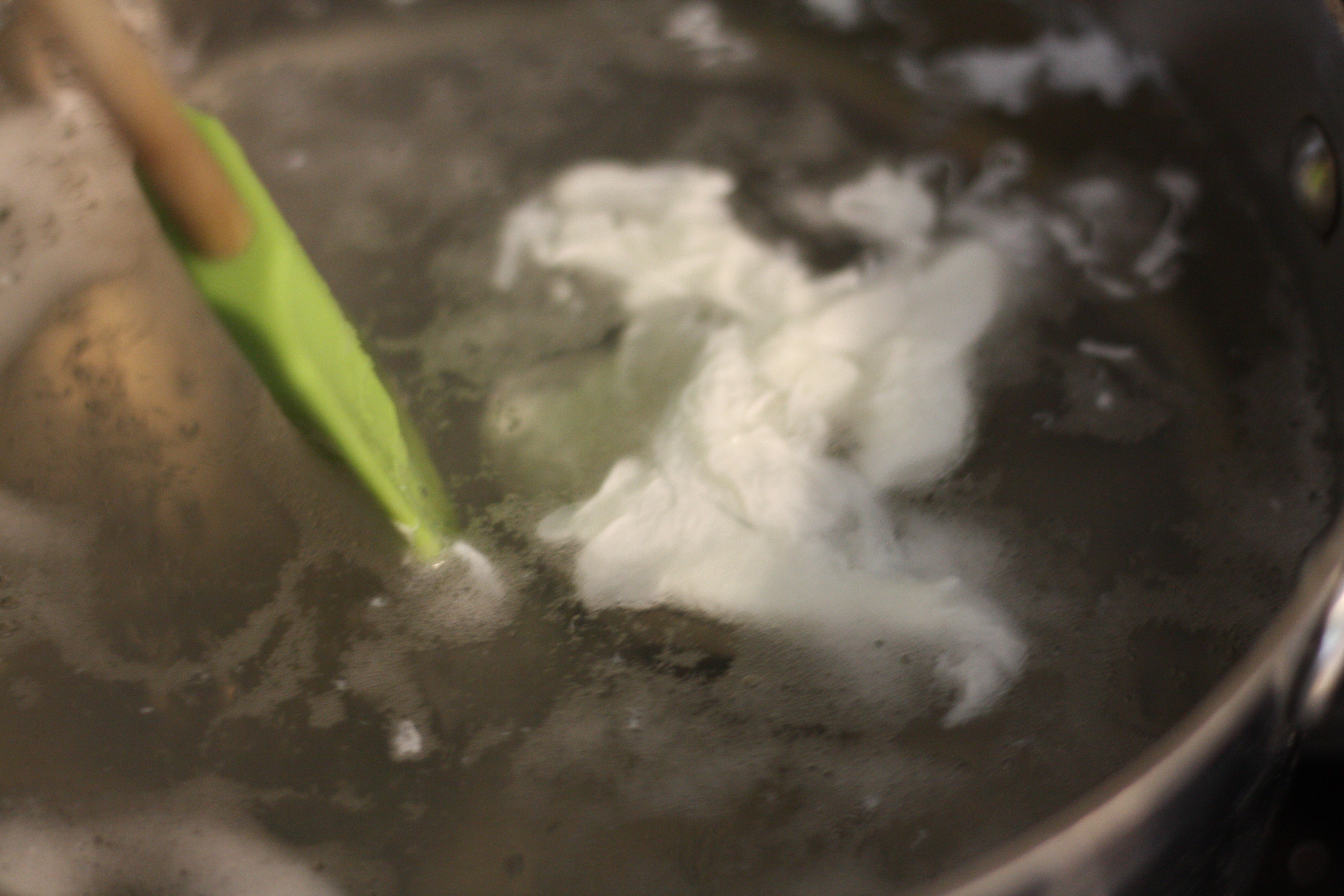
Use a spoon or spatula to gently push the whites over the egg.

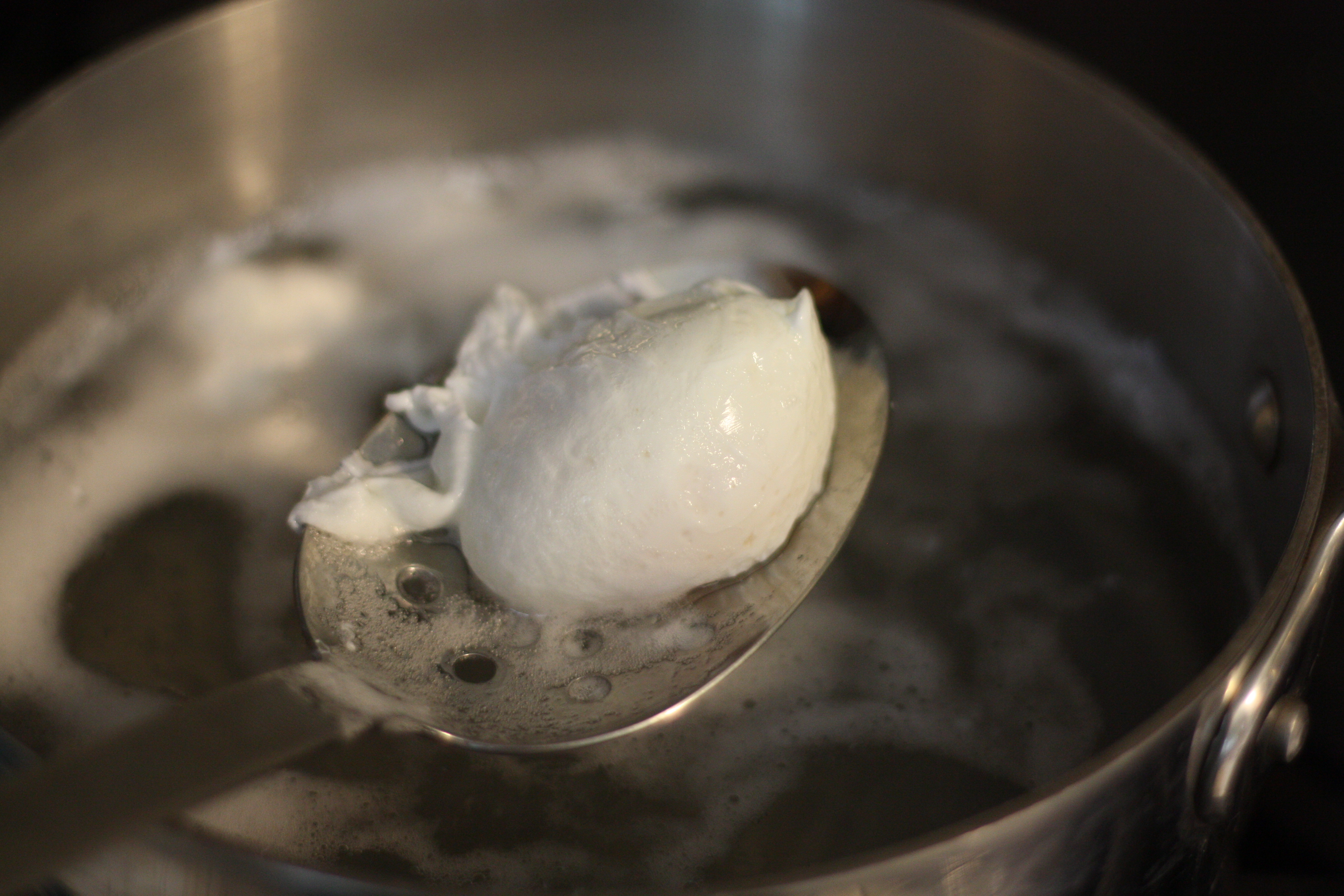
Allow the egg to cook for 3-5 minutes, depending on how well you prefer the yolks to be cooked. (Three minutes should produce a fairly runny yolk with a cooked white.) Then, use a slotted spoon to remove the egg.

Place the egg in a bowl of cool water to rinse the vinegar and stop the cooking. If serving immediately, remove from the water and enjoy. If serving later, the egg can stay in the bowl of cool water. When you're ready to serve, gently lower the egg into a pot of barely simmering water for a minute or so to reheat.

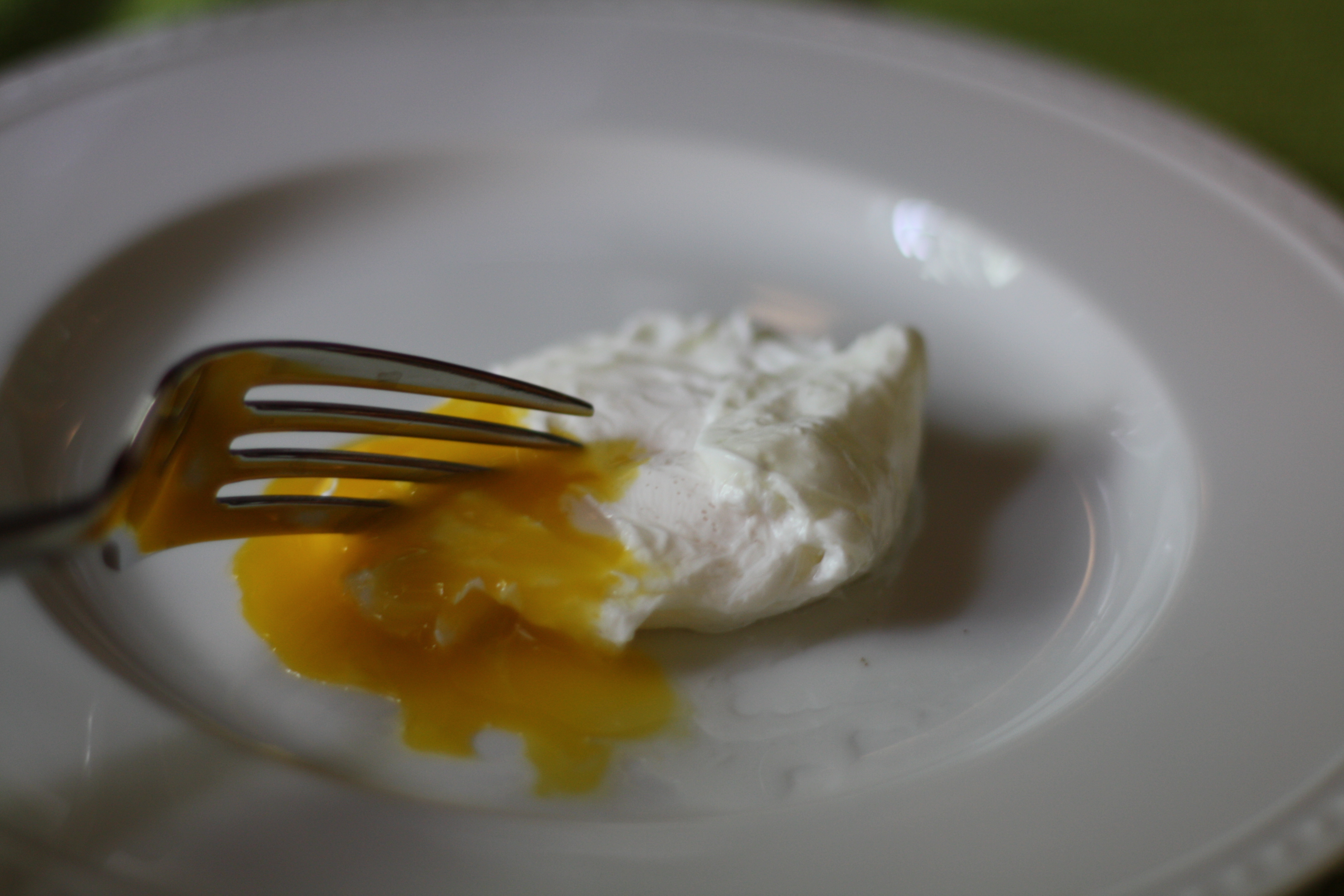
Enjoy your perfectly poached egg!

How to Chop an Onion – A Photo Guide

Posted on

Here’s a handy procedure for chopping an onion, which makes the process fast and easy. It also reduces the likelihood of painful onion tears by locking in most of the fluids during the cutting process. Keeping the root intact throughout cutting helps hold the onion together, making it easier to manage.

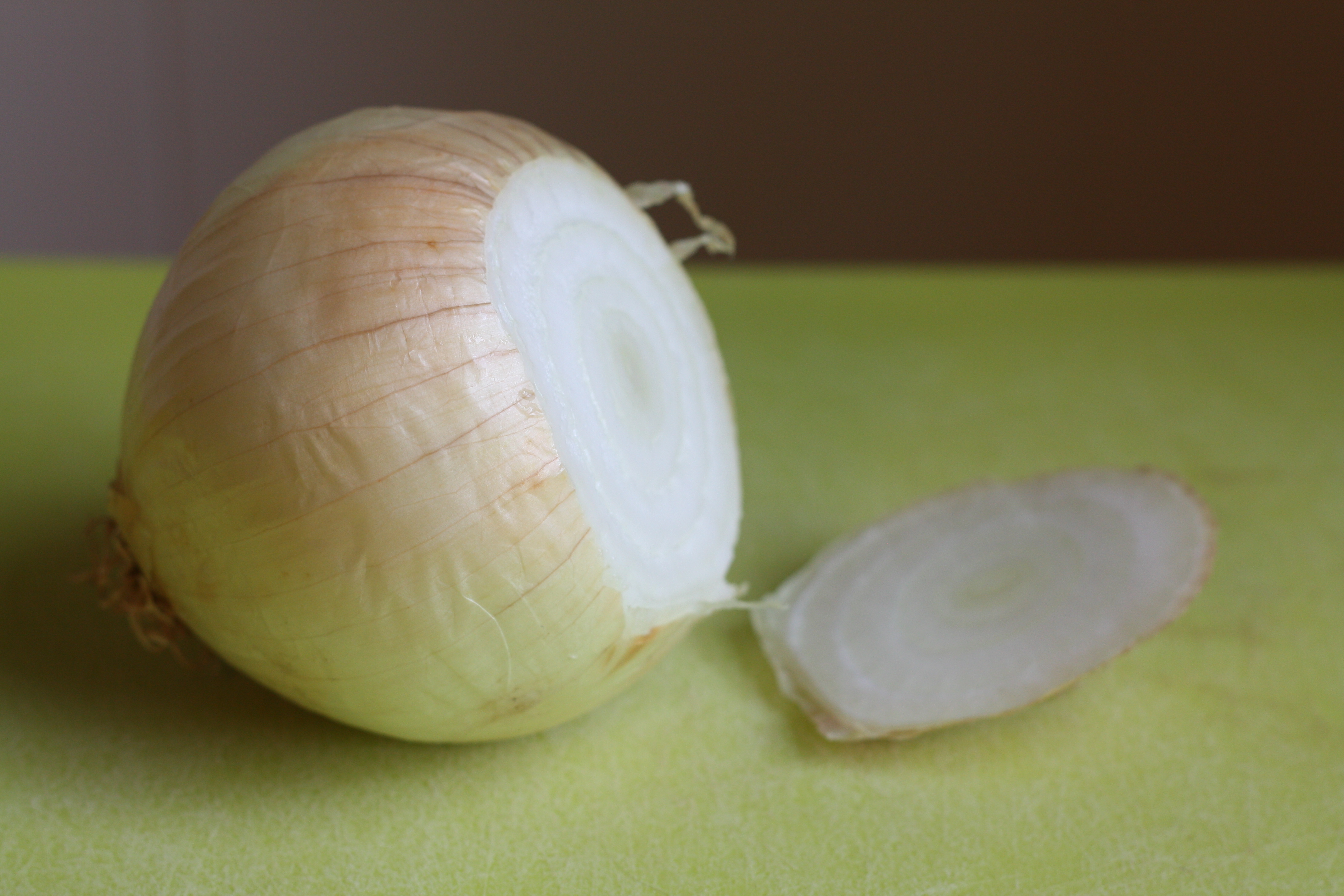
Start with an onion.

Cut off the non-root end of the onion.

Stand the onion on the cut side.

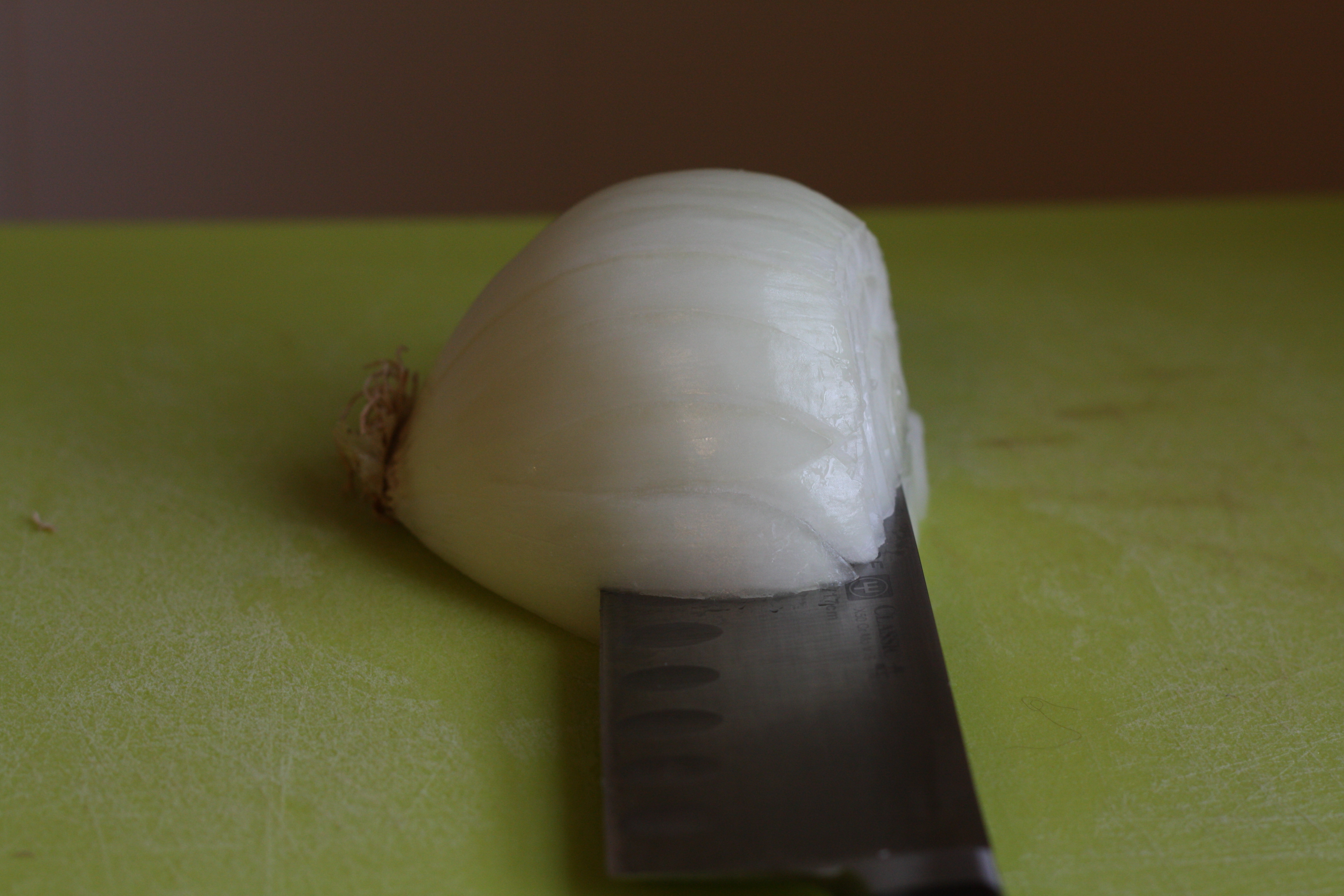
Cut it in half through the root.

Remove the onion peel.

Lie the onion on the flat cut side.

Make several vertical slits through the onion, being careful not to cut through the root end. Make the slits close together for a fine dice or farther apart for larger pieces.

Using your fingers to hold the sides of the onion together, carefully make one or two horizontal slits into the onion, being careful not to cut through the root.

Using your fingers to hold the onion together on the sides, cut through the onion, perpendicular to the vertical slits.

Repeat with the other onion half.

The Gourmand Mom

Good food, seasoned with a dash of life