RSS Feed

Tag Archives: Recipes

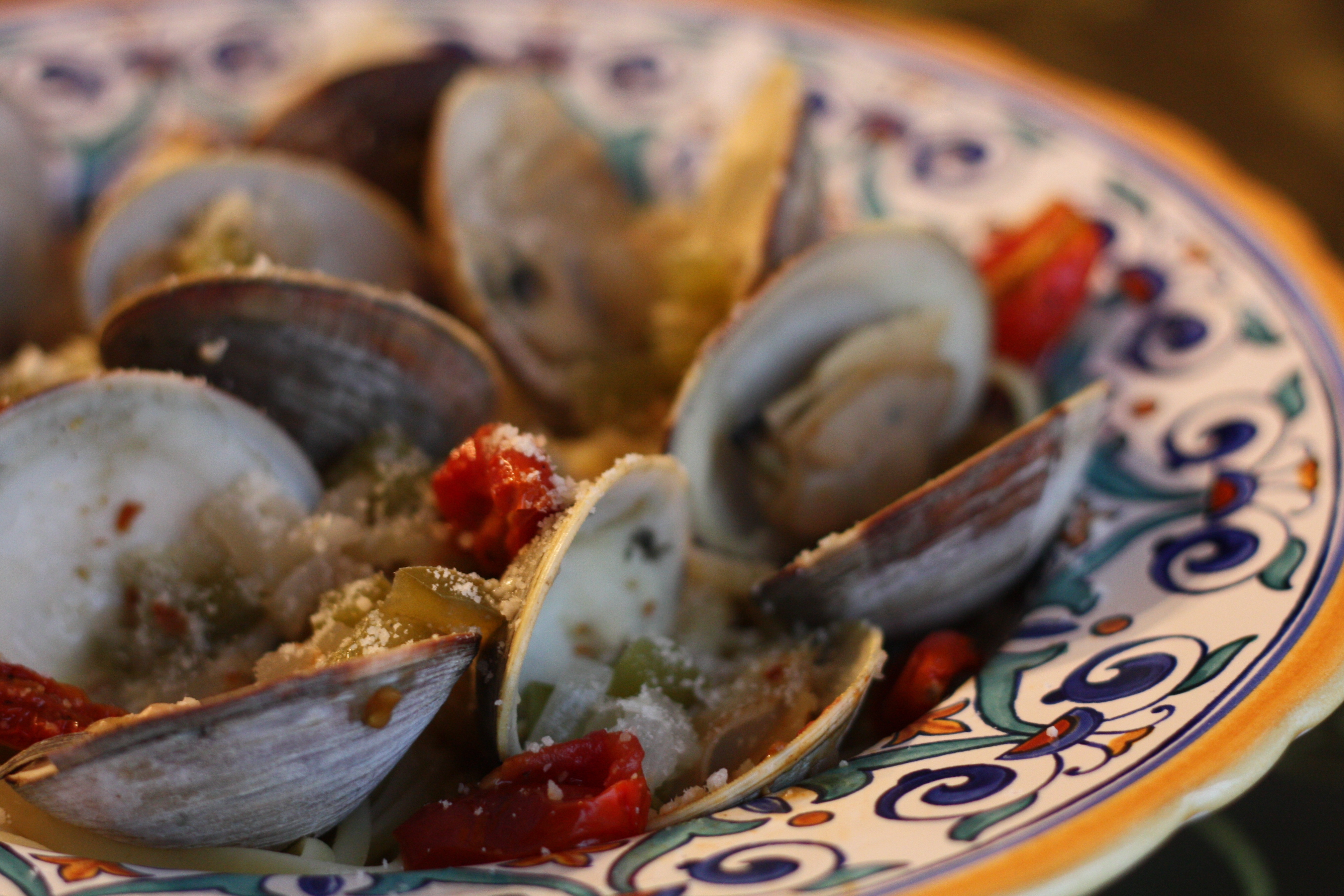
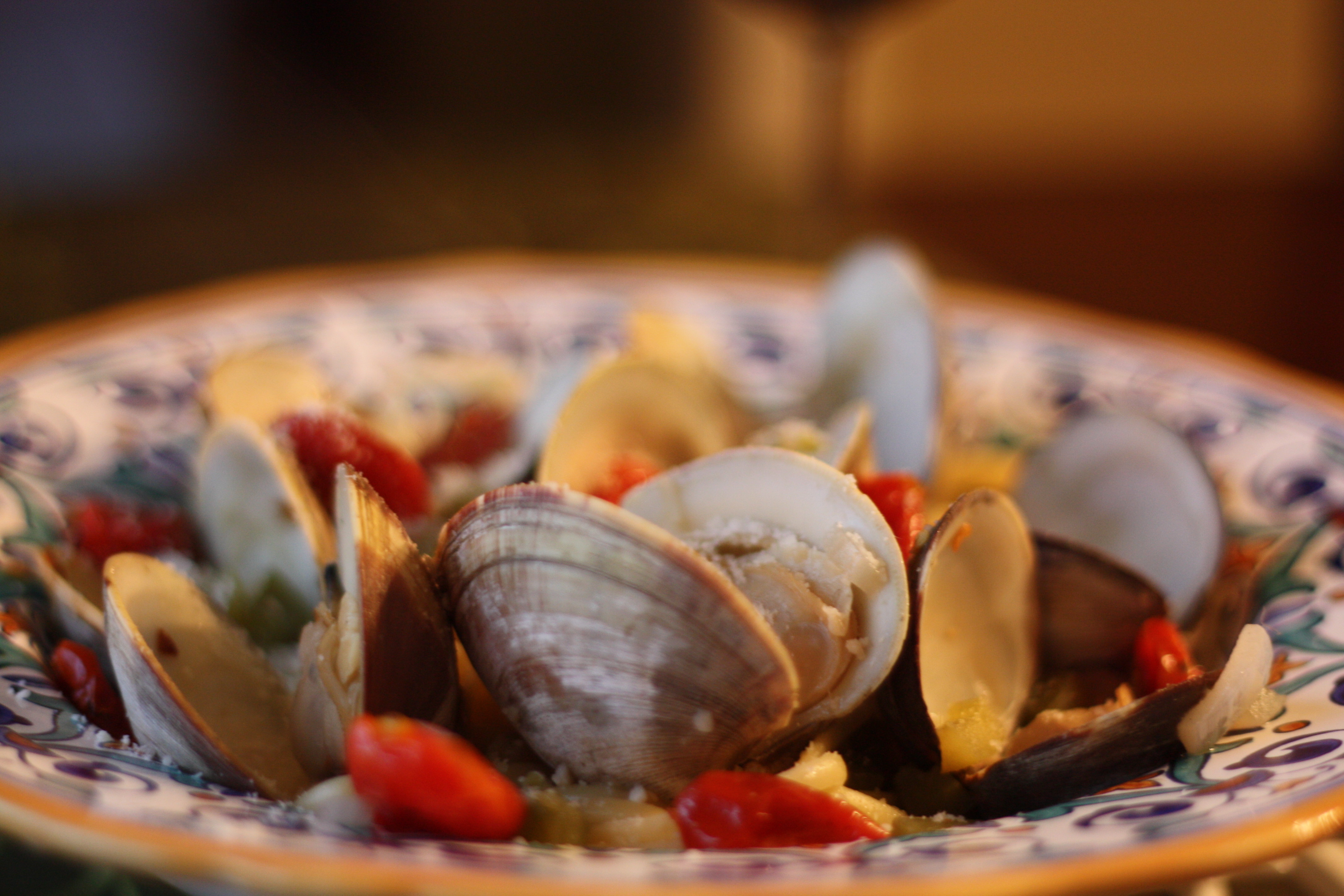
Linguine with Littleneck Clams and Slow-Roasted Tomatoes

Posted on

Tonight, I’m serving up a minor variation on my regular Linguine and Clam Sauce.  The basic ingredients are the same; garlic, onion, pepper, white wine and clams. But, today I’m using fresh clams (where I often use canned, chopped clams). I’m also incorporating a little anchovy for added flavor and garnishing with slow-roasted grape tomatoes. If anchovies are a deal-breaker for you, skip them. I’ve made this recipe tons of times without them, but they really do add a nice touch to the dish. They dissolve into the sauce and add a really nice savory flavor. If you decide to omit the anchovies, be sure to season your sauce with a bit of salt.

If you’ve never used fresh clams before, don’t let them intimidate you!  They are as easy to cook as it is to open the canned clams. And, they make a show-stopping presentation. Just follow a few simple rules to ensure safety:

  • Keep the clams refrigerated until ready to use.
  • Thoroughly wash clams in cool water.
  • Carefully examine each clam and discard any cracked or open clams.
  • Discard any clams that don’t open after steaming.
  • Personally, I prefer to purchase most seafood on the day I plan to use it, so it’s as fresh as possible.

And, if fresh clams aren’t available to you (or you’re just not keen on their tough exteriors), then go ahead and use canned clams. You can usually find them near the canned tuna, sardines, and such. They work wonderfully in this recipe!

Linguine with Clams and Slow-Roasted Tomatoes

Ingredients

  • 1 box of Linguine
  • Littleneck Clams (40-50)
  • 1 Tbsp Olive Oil
  • 4 Anchovy Fillets, chopped
  • 3 cloves of Garlic, minced
  • 1 small Onion, finely chopped
  • 1 Green Pepper, finely chopped
  • 3/4 cup White Wine
  • 3/4 cup Clam Juice
  • 1 Tbsp Lemon Juice
  • Crushed Red Pepper
  • Salt (optional)
  • Slow-roasted Tomatoes (recipe follows)
  • Parmesan Cheese

Directions

Rinse clams in cold water.  Examine and discard any open or cracked clams. Bring a large pot of water to a boil and cook linguine until al dente. Heat olive oil in another large pot. Add anchovies and onion. Stir until anchovies dissolve and the onion begins to soften. Add garlic and green pepper. Cook for about a minute. Add white wine, clam juice, and lemon juice. Bring to a boil. Then, lower the heat to medium and simmer for 2-3 minutes. Carefully, add the clean clams to the pot and cover. Continue to cook for about 10 minutes, until the clams have opened. Remove and discard any clams which do not open. Season with crushed red pepper and additional salt, if desired. Serve the clams and sauce over the cooked linguine.  Garnish with slow-roasted tomatoes. Sprinkle with parmesan cheese. (Serves 4)

For the Tomatoes:

Cut grape tomatoes in half, lengthwise. Toss in a little olive oil, salt, and pepper. Arrange on a baking sheet, cut side up. Cook in a 250 degrees oven for about 90 minutes until deep red and reduced in size. If you’re short on time, you can increase the heat and shorten the cooking time!

Amy vs. Baked Alaska – The Showdown

Posted on

A tumbleweed rolls across my kitchen floor. A strange man sits at the table, whistling ominously on a stout brown jug. I step into the room, spurs glimmering. A pair of wooden saloon doors swing closed behind me with a screech. (Funny…I don’t remember installing those doors.) I tip my hat and glare at my adversary.

**Flashback twenty or so years.** A gawky teenager, dressed in leggings with slouch socks and gleaming white faux-Keds, moves easily about the kitchen. Her side-pony sways with every movement. A well worn Better Homes and Gardens Dessert cookbook, circa 1973, sits open on the counter. Bolstered with confidence after the roaring success of the previous week’s Lemon Meringue Pie, she is busy preparing Baked Alaska, never pausing for a moment to consider what lie ahead.

My adversary stands before me, dressed in gleaming white. It snickers, taunting me. I stick my tongue out and make a sour face. My weapon is drawn.

Cyndi Lauder blares in the background as the eager teen approaches the open oven, her fluffy, white creation in hand. She pops it in the oven and dances awkwardly about the kitchen for a few minutes.  The timer beeps. She bounces over to the oven, opens the door, and shrieks. Her siblings come running into the kitchen.

I belt out my battle cry and approach the snickering adversary. I take it in my hands and approach the piping hot oven. Not this time!  Not this time! I place it in the oven and close the door.

The teen and her siblings stare in horror at the tray of melted ice cream. It looks nothing like the picture in the cookbook. A single tear falls from the teen’s hazel eyes.

After five eternal minutes, I open the oven and…

My Baked Alaska

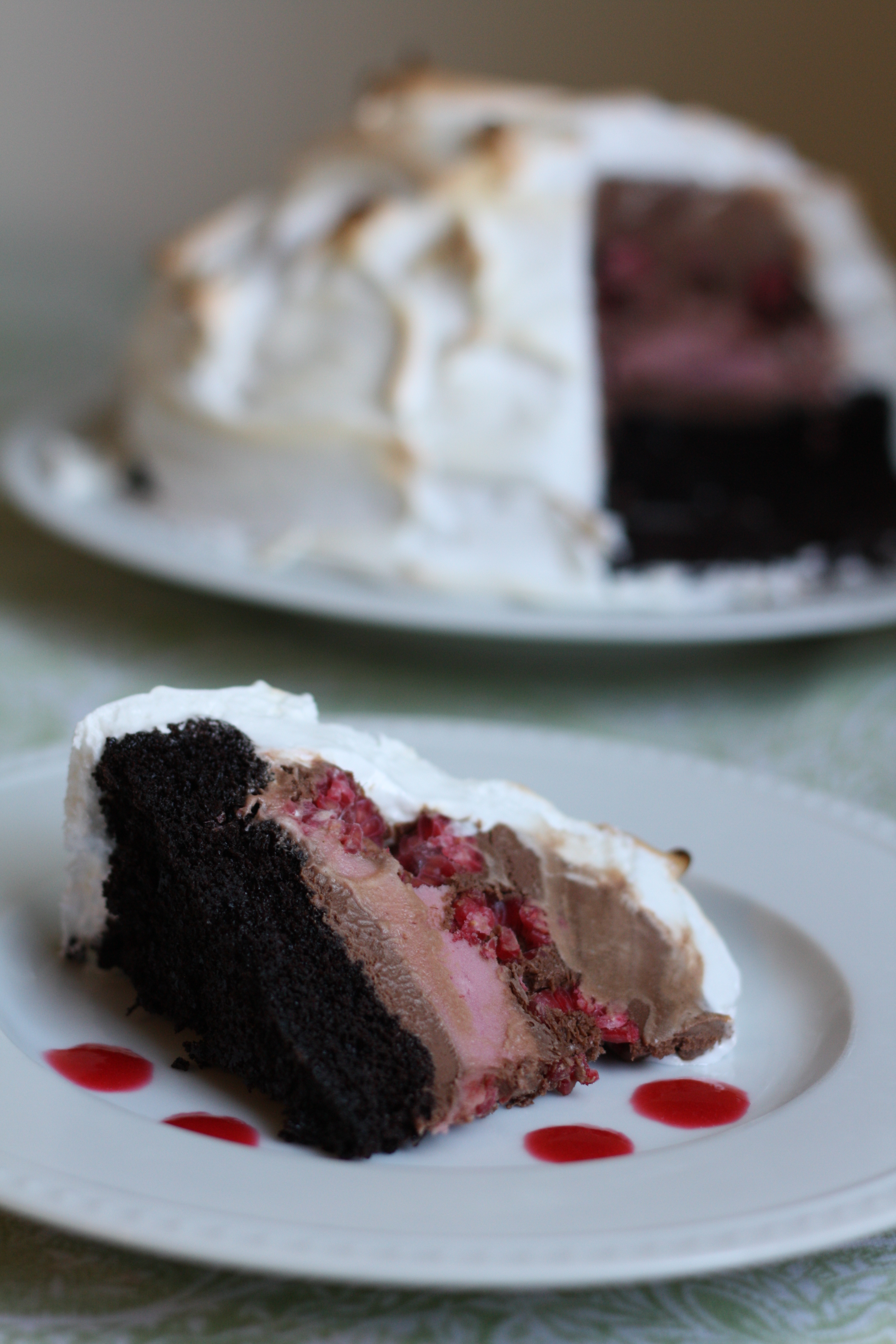
Dark Chocolate Raspberry Baked Alaska

Here’s how it’s done…

The Cake

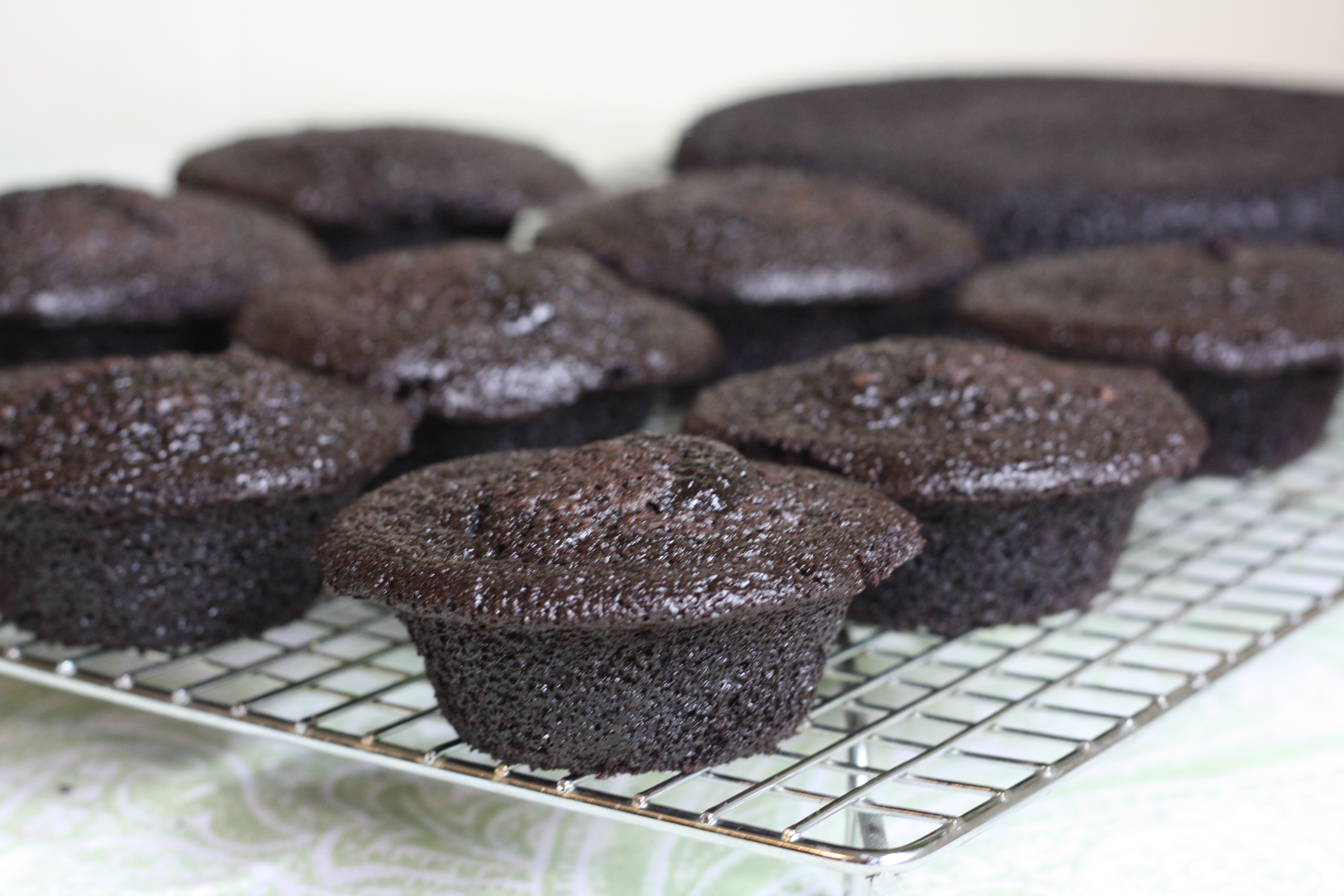
You can use just about any flavor or type of cake for the base of the Baked Alaska. A giant cookie or brownie base would probably work nicely too!  I went searching for a dark chocolate cake recipe for my Baked Alaska. I landed upon a truly fantastic recipe from Hershey’s for Deep Dark Chocolate Cake.  This is probably the best chocolate cake I’ve ever tasted. I will definitely be using this cake recipe for future birthday cakes! I made one 9 inch round cake for my base and several cupcakes for the kids to make their own mini Baked Alaskas.

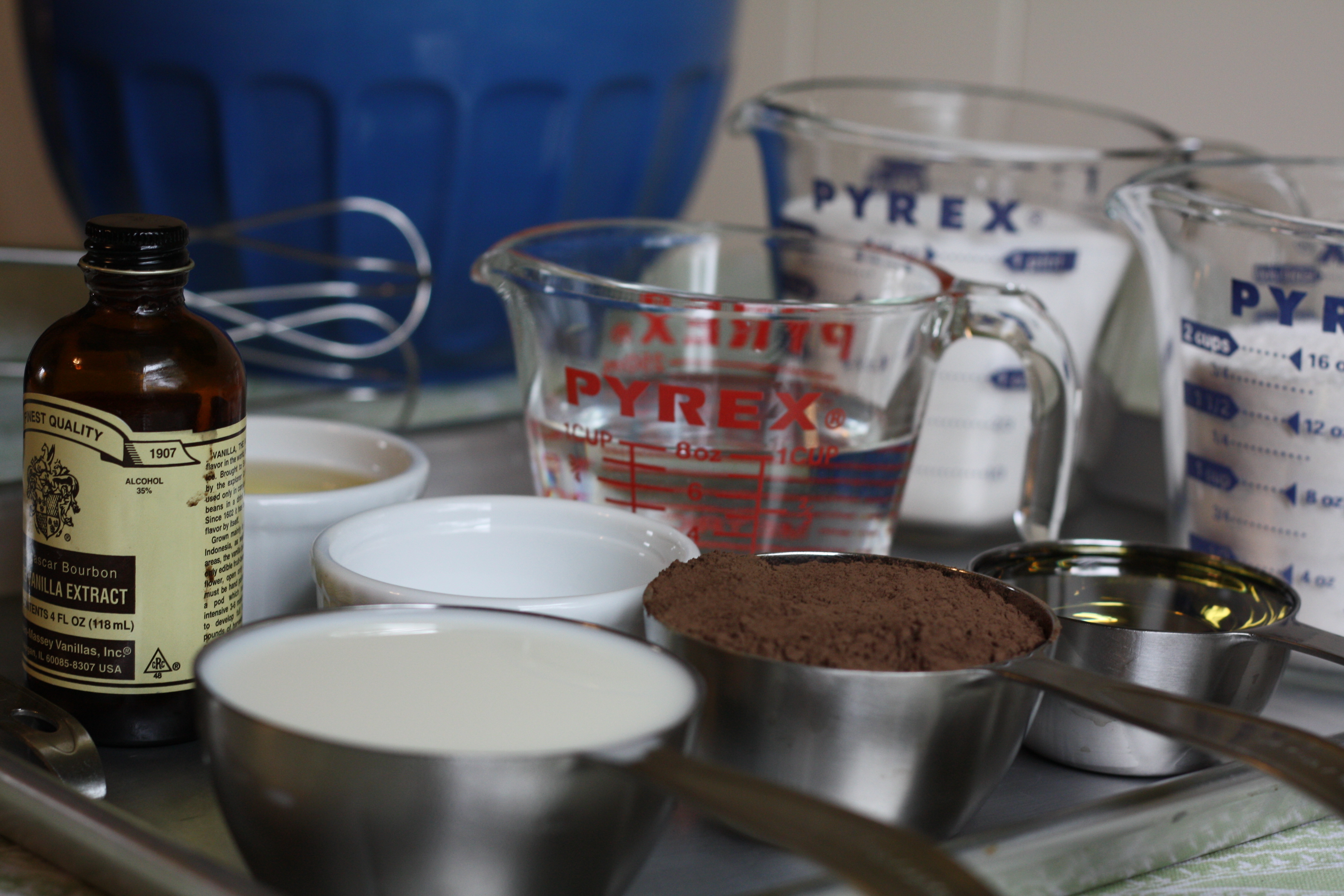
Mise en place - Everything in its place

Hershey's Deep Dark Chocolate Cake

Chocolatey Cake and Cupcakes

The Ice Cream

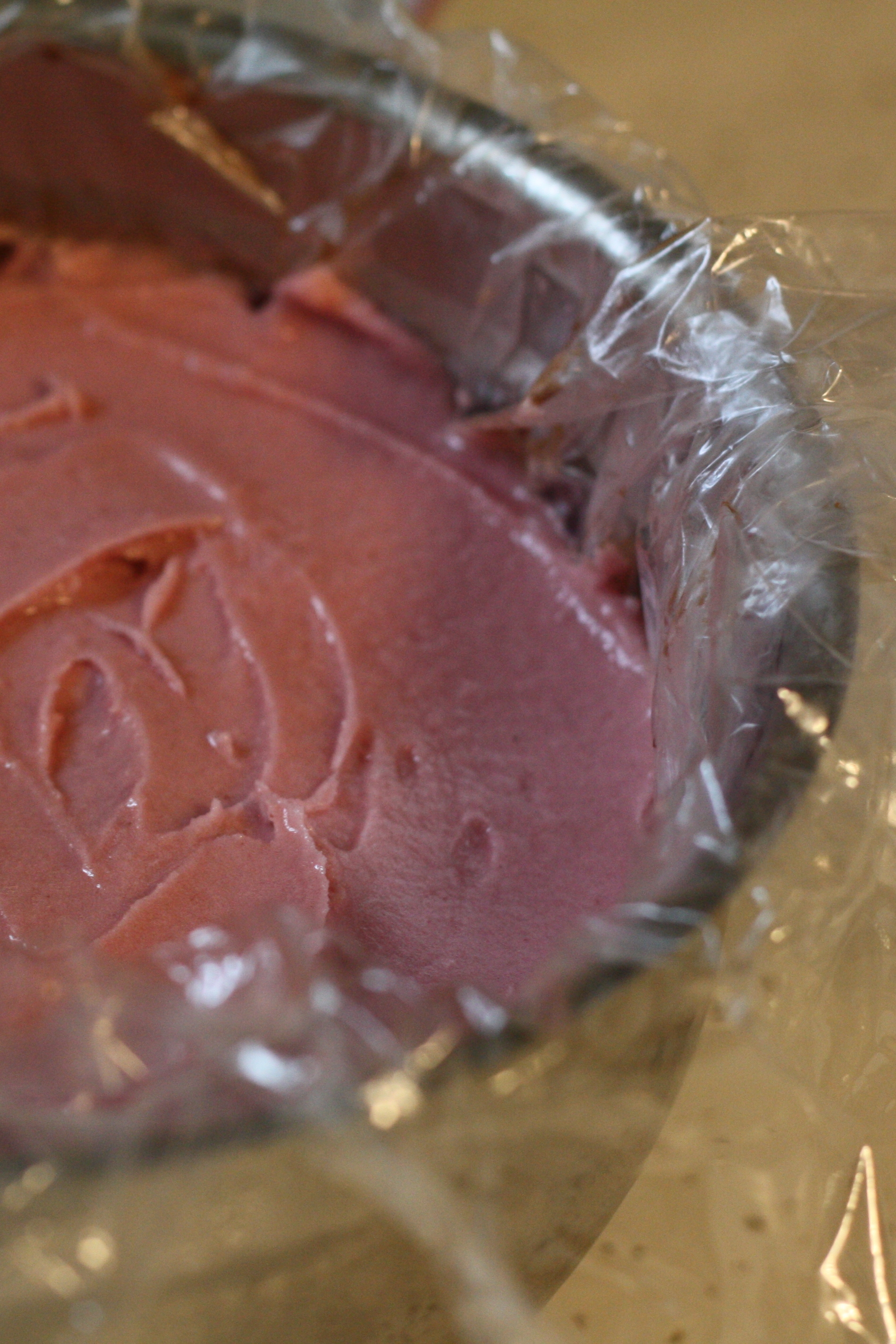
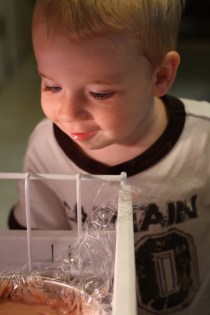
You can use any flavor(s) of ice cream in your Baked Alaska.  To prepare the ice cream, spray the inside of a bowl with Pam or lightly coat with vegetable oil. Then, line the bowl with plastic wrap.  This step will make it easier to remove the ice cream dome. Allow the ice cream to soften slightly.  Then, spread the ice cream in an even layer on the bottom of the bowl, being certain to fill all gaps.  Place the bowl in the freezer until the ice cream has refrozen. If using more than one flavor, freeze each layer before adding the next flavor. I layered dark chocolate ice cream with fresh raspberries, raspberry sorbet, and milk chocolate ice cream.

Raspberry Sorbet Layer
Waiting for the ice cream

The Meringue

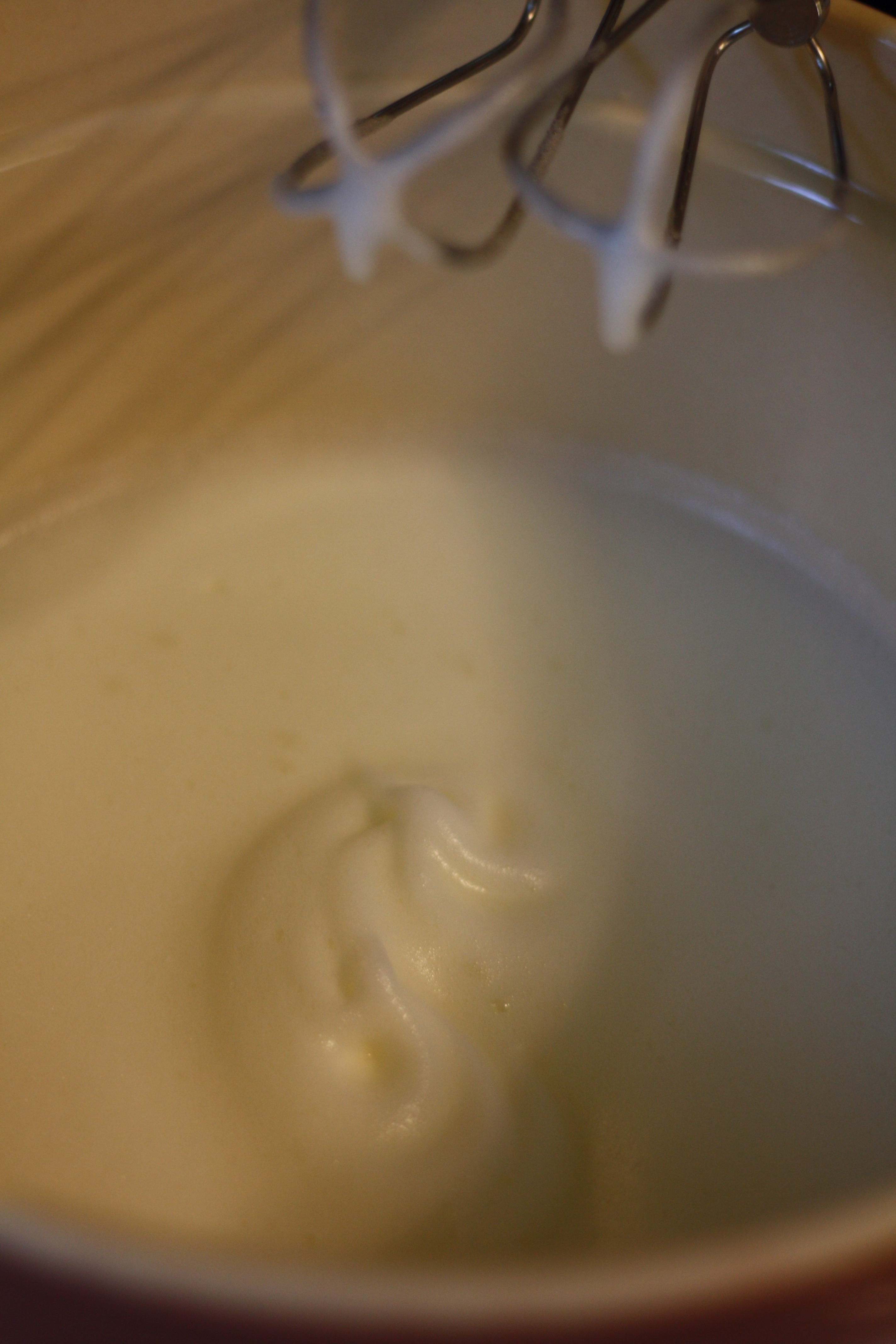
Meringue is a mixture of egg whites and sugar, beaten until thick and glossy. Cream of tartar is frequently added as a stabilizer, but is not absolutely necessary. Egg whites should be beaten to soft peaks before incorporating the sugar.

A few tips for a successful meringue:

  • Bowl and whisk should be pristinely clean as even the slightest bit of residual fat can prevent the whites from developing.
  • Stainless steel, glass, or ceramic bowls will all work well.
  • Make sure that no trace of yolk enters the mix. Crack each egg into a ramekin or small bowl first, so if a yolk breaks, you won’t waste the whole batch.
  • Allow the egg whites to come to room temperature before beating.
  • Before beating, add 1/8 tsp of Cream of Tartar per egg white to help stabilize the whipped whites.
  • Beat the egg whites until soft peaks begin to form.
  • Use about (but no less than) 2 Tbsp of sugar per egg white.
  • If possible, use superfine sugar as it will dissolve more easily into the egg whites.
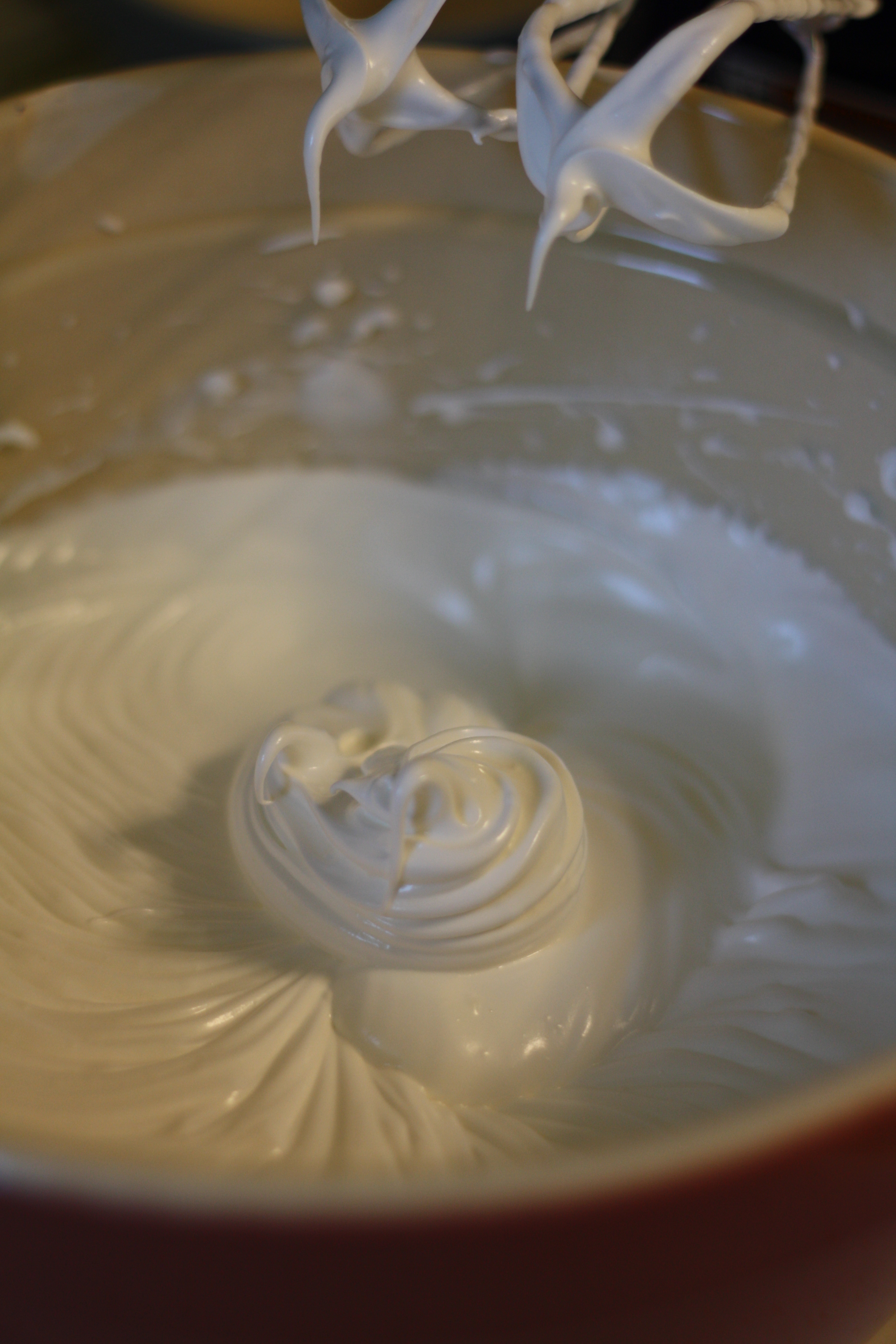
  • Gradually add sugar a spoonful at a time, until stiff peaks form. Stiff peaks will hold their shape. The meringue should be smooth and glossy.

Soft Peaks

Stiff Peaks

** I used 8 whites, 1 tsp cream of tartar, and 16 Tbsp sugar, which made enough meringue to thoroughly cover my large Baked Alaska and two of the kids’ Baked Alaska cupcakes.

The Assembly

Once the cake is baked and the ice cream is thoroughly frozen, carefully turn the bowl over and lower the ice cream dome on top of the cake. I scooped out a shallow bed for the ice cream dome to sit in, in the hopes that it would provide a better insulating seal for the meringue. This step may not be necessary, but it worked! Once the ice cream cake is assembled, allow it to freeze until very firm. I left mine in the freezer overnight. Once frozen, preheat the oven to 450 degrees.  Prepare the meringue.  Working quickly, coat the ice cream and the cake thoroughly in meringue, being careful to spread the meringue to every edge. You can use a knife or the back of a spoon to create decorative designs in your meringue.

Cake with a shallow bed for the ice cream

Cake with Ice Cream

The Final Baking

Bake on the lower rack of a 450 degree oven for 5-6 minutes until the exterior begins to brown.

Serve immediately or freeze until ready to serve. It holds well in the freezer.

Dark Chocolate Raspberry Baked Alaska with Raspberry Coulis

A few other notes and tips…

  • Make sure your meringue thoroughly coats the ice cream and cake.  This is the most important part (and probably the aspect which caused my failure so many years ago). The meringue is what insulates the ice cream from the heat.
  • Make your ice cream dome with a smaller diameter than your cake.  Most recipes don’t mention this, but I think it helps to prevent melting.
  • Inspired by this link, shared by a friend, my kids made their own mini Baked Alaskas.  I used extra batter from the cake to make a few cupcakes.  Then, we scooped out the center and filled it with softened Raspberry Sorbet.  They coated their Alaskas with the extra meringue.  Then, I put them in the oven for 5 minutes at 450 degrees.  Worked out great, just make sure you help your kids thoroughly cover the entire cupcake.
  • I served my Baked Alaska with a Raspberry Coulis.  A coulis, (pronounced koo-LEE) is simply a sauce made by pureeing fruit or vegetables and straining.  For my sauce, I pureed a handful of raspberries with a Tbps of sugar. Then, I strained the puree and discarded the seeds.

Don't mess with this cowboy!

So, did anyone else try your own Baked Alaska??  I know at least one of you did and with grand success! Anyone else?  Tell us how it went!

Fresh-squeezed Ginger Lemonade

Posted on

As I was out for my run last weekend, my route brought me past a garage sale. Not so unusual on a Saturday afternoon. But, the thing which caught my attention was the young girl, sitting at the foot of the driveway, selling lemonade. It brought me back to my childhood, sitting with my sisters by the side of the road, selling our wares. We sold just about anything we could think of…painted rocks, watercolor “art”, baked goods (usually cookies from a tube), and of course, lemonade. My sister assures me that there was minimal interest in our painted rocks and that we forced to lower our prices to meet the demand, which inevitably left us standing at the foot of our yard yelling, Rocks!  Get your free rocks here!! Ok, so maybe the rocks didn’t sell so well, but we did sell a glass or two of lemonade. We made our lemonade fresh from a bulk-size tub of powdered Country Time Lemonade (which, incidentally, does not list lemons amongst its ingredients).  We probably shouldn’t have advertised it as “fresh”. But, people would stop as they drove past and buy our lemonade (and get a free rock). Good people. Good memories. I need to remember to keep a quarter in my shoe when I run, in case I pass another lemonade stand.

So, I’ve had lemonade on my mind. But no more tubs of powdered sugar and ‘Yellow 5 Lake’ coloring  for me. Today, we’re making lemonade, fresh squeezed from a bowl full of lemons.  And, I can’t resist the urge to infuse it with a bit of ginger root. (I’ve got a tiny, little addiction to ginger tea.) This recipe is refreshing and not too sweet.  Perfect for a picnic on a hot day!

Fresh-squeezed Ginger Lemonade

Ingredients

  • 1 cup water
  • 1/2 cup sugar
  • 1 inch piece of ginger root
  • 1 cup of lemon juice (juice of about 8-10 lemons)
  • 5 cups of cold water

Directions

Peel and thinly slice the ginger root. In a small saucepan, combine 1 cup of water with sugar. Stir to dissolve the sugar.  Add the slices of ginger root. Bring to a boil. Simmer for a minute or so. Remove the pan from the heat.  Allow the ginger to steep in the liquid for about an hour.  Strain the mixture. In a pitcher, combine the ginger syrup with the lemon juice and cold water. Refrigerate and enjoy!

The World’s Greatest Penne ala Vodka

Posted on

This, dear friends, is your lucky day. I am about to share a recipe for the best Vodka Sauce you’ve ever tasted. Seriously…this stuff is a. maze. ing. This recipe comes from a lovely friend, Erin, who acquired it from her uncle, whose friend, Charlie, came up with it. Follow all that? The first time I had the pleasure of this sauce was during college, when Erin whipped it up to the great delight of everyone in our sorority house. We were all hooked. Our biggest problem after that, was figuring out who was old enough to buy the vodka, so we could make it again.

This is a rich sauce; not exactly what you would call diet-friendly. But, all things in moderation. It’s worth it! Just hold your breath while you pour in the quart of cream and drop in the stick of butter. It’s gonna be a long run for me tonight!

Mise En Place

A little note about Mise En Place – The French phrase, Mise en Place, pronounced MEEZ-on-plahs, roughly translates to “everything in its place”. In the culinary field, this refers to the practice of gathering, preparing, and organizing ingredients prior to beginning the cooking process. I’ve mentioned this all before, but I say it again because I truly believe that mise en place is the #1 thing you can do to make cooking a successful, enjoyable experience. Now, my mise en place isn’t always nicely arranged on a tray.  That just makes a pretty picture.  But, I do prepare my mise en place almost every time I cook. Sometimes I do it just prior to cooking.  Other times, I gather, measure, and prepare things whenever I have a moment over the course of the day. This way, when dinner time rolls around, I’m ready to cook! The practice of preparing your mise en place will save you many headaches and a lot of frustration. It will save you from burning the soup, while you’re searching for a spoon or from overcooking the green beans while you’re chopping the garlic. You’ll be just like those chefs on TV, skillfully whipping up delicious meals with ease.

But, enough about mise en place. Let’s get cooking!

Penne ala Vodka

World’s Greatest Vodka Sauce

Ingredients

  • 1 onion
  • 3 cloves garlic
  • 3 shots vodka
  • 1/4 cup olive oil
  • 1/4 pound prosciutto (optional, but recommended)
  • 1 can whole plum tomatoes
  • 2 small cans tomato paste
  • 1 qt heavy cream (or you can use a combination of light and heavy cream)
  • 1 small bunch of fresh basil, chopped
  • salt and pepper to taste
  • 1 stick butter
  • 1/2 cup parmesan cheese

Directions

  • Chop onion and garlic and cook in olive oil until soft.
  • Add prosciutto and cook for a few minutes.
  • Form mixture into a circle with a hole in the middle, pour vodka in the center of the circle and allow to cook off (about 5 minutes). **Pour vodka into a shot glass or other wide-rimmed container before pouring into the pot.  Never pour alcohol directly from a bottle into a hot pan. It is flammable and there is a chance that flames could find there way into the bottle and cause it to explode.
  • Rinse plum tomatoes under water and rinse out all the seeds. (Seeds make the sauce bitter.)
  • Cut into quarters or eighths and add tomato pieces to mixture.
  • Add cream and tomato paste, stir until combined and hot.
  • Chop approximately 5 basil leaves and add to the sauce. (Save additional basil leaves for garnish.)
  • Add cheese and butter and simmer over low heat for approximately 30 minutes, stirring occasionally to prevent burning.
  • Season with salt and pepper to taste. About 1-2 tsp of each should be good.

Serve over penne pasta. This dish pairs nicely with steamed asparagus or peas.

The sauce will keep for a few days in the refrigerator if you don’t put it on the pasta. (Pasta with the sauce already on it does not reheat well.)

Italian Bread with Roasted Garlic Butter

Remember that garlic we roasted last week?  (Click here for a reminder.) Combine 1 head of roasted garlic with 1 stick of softened butter. Cut a loaf of Italian bread in half lengthwise. Spread the roasted garlic butter on both halves. Put the halves back together.  Wrap the loaf in foil.  Bake in a 350 degrees oven for 20-25 minutes. Cut into slices and serve with the Penne ala Vodka.

How to Chiffonade Basil – A Photo Guide

Posted on

Start by stacking your basil leaves.

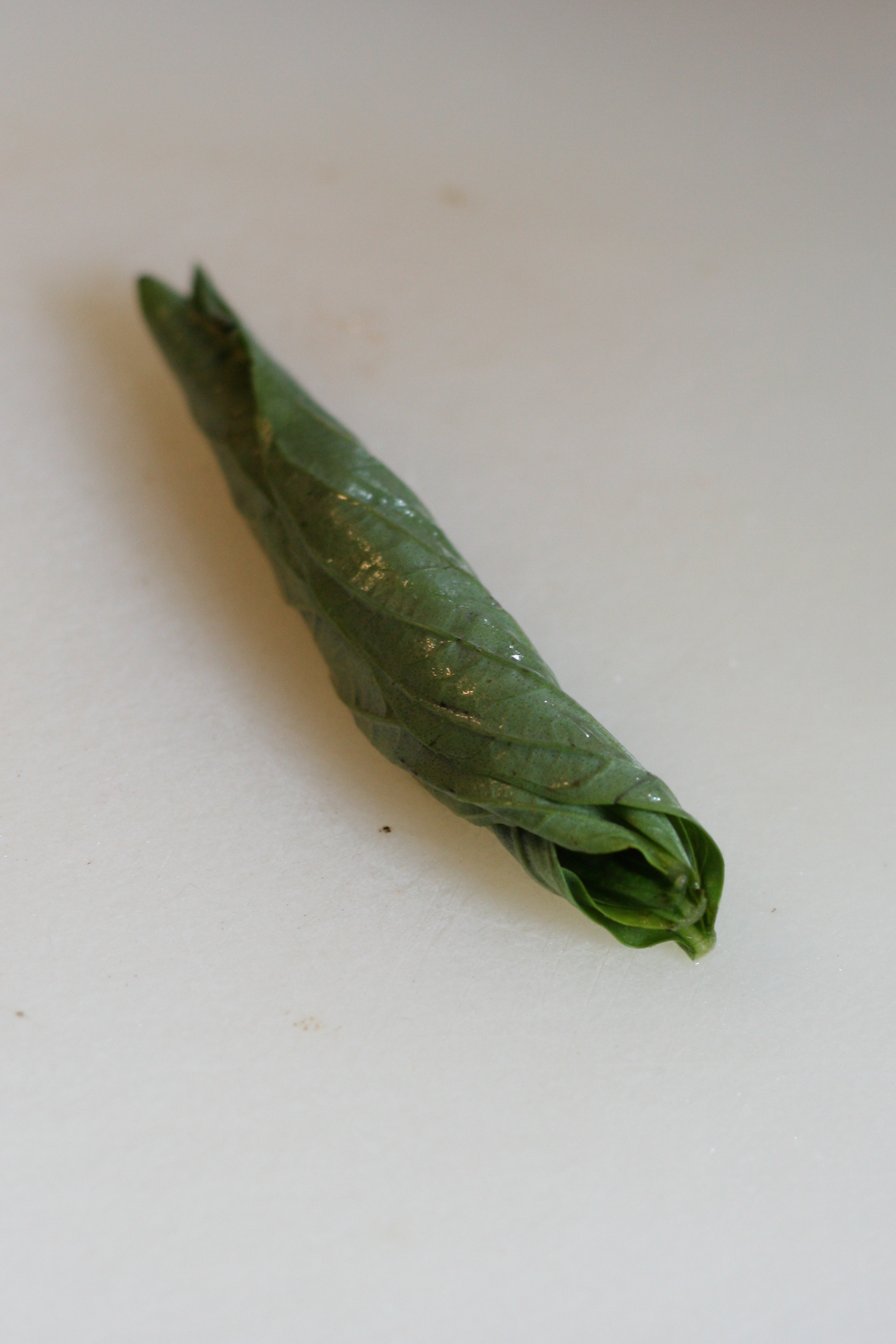
Roll the basil stack into a "cigar" shape.

Cut the basil.

Voila! Chiffonade!

This method of cutting also works well for mint leaves, spinach, and other leafy herbs.

It’s Smoothie Time

Posted on

The sun is shining. The pools are open. The farmstands are brimming with fruit.

It’s smoothie time!!


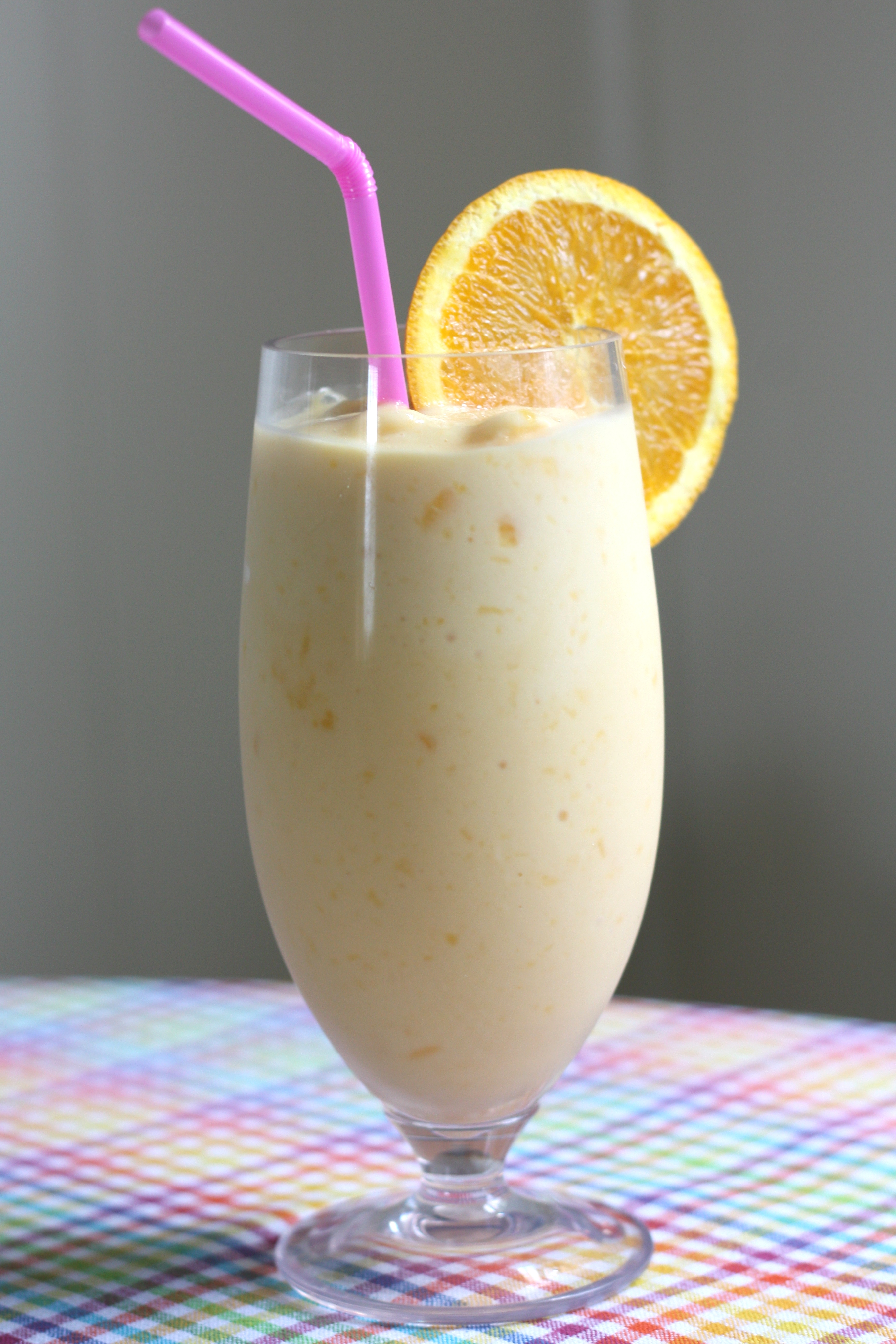
I’ve got two tasty smoothies for you today. The first, my personal favorite, is a Mango Creamsicle Smoothie. It tastes like a creamsicle bar, with the added punch of sweet, fresh mango. The second is a smoothie I like to make for the kids because it’s made with nothing more than fresh fruit and milk. Rather than using ice in my smoothies, I use frozen fruit, which makes a thick smoothie without watering down the flavor. You can purchase bags of chopped, frozen fruit, with no added sugar or syrup.  Or chop and freeze your own fruit!

Mango Creamsicle Smoothie

Ingredients

  • 1/2 cup Vanilla Frozen Yogurt
  • 1/2 cup Orange Juice
  • 1/2 cup Frozen Mango Chunks

Directions

Put all ingredients in a blender and blend until smooth. Alternately, combine ingredients in a bowl or large measuring cup and blend with an immersion blender. (Makes 1 Smoothie)

Fresh Fruit and Milk Smoothie

Ingredients

  • 1 cup of Frozen Fruit, sliced or chopped
  • 1/2 Banana
  • 1/2 cup Milk

Directions

Put all ingredients in a blender and blend until smooth. Alternately, combine ingredients in a bowl or large measuring cup and blend with an immersion blender. Add more or less milk, as necessary, to achieve your desired consistency.

A delicious frosty treat!

Speaking of frosty treats… There’s still time to get in on the Baked Alaska fun!!! I’ve got my flavors picked out!  Anyone else want to join in the adventure?? Just make any version of a Baked Alaska before next Wednesday and let me know how it goes!

The “Mona Lisa” Burger and Roasted Garlic Aioli, two ways

Posted on

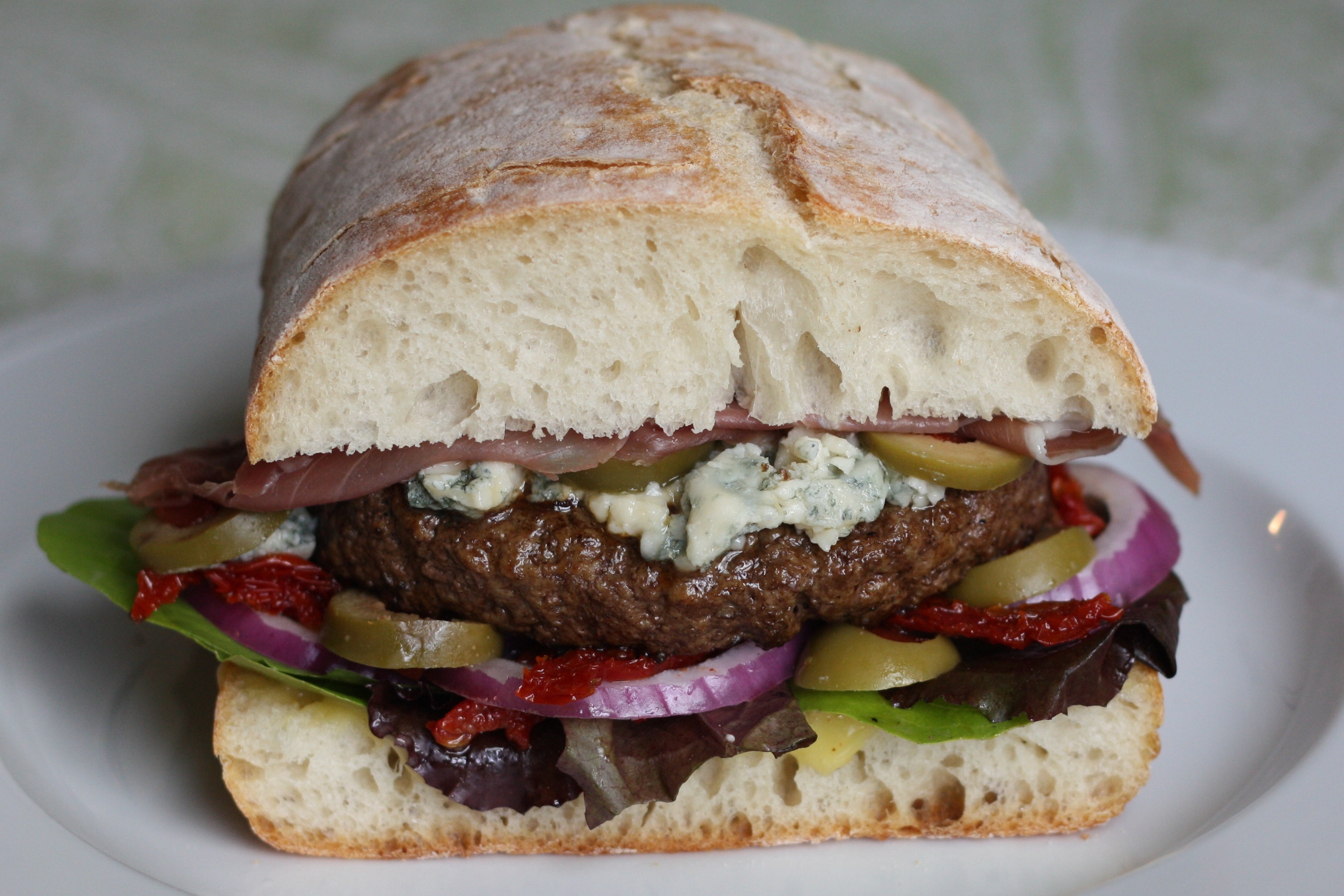
Several weeks ago, I ran across a website for the Cheese and Burger Society, a site designed to showcase delicious Wisconsin cheeses. My mouth watered as I flipped through their slideshow of delicious cheese-laden burgers. I made the immediate decision that I would gradually cook my way through each of the burgers on that site. With perfect grilling season now upon us, it is an ideal time to be embarking on a burger adventure. A few weeks ago, I cooked my version of The Miss Daisy, a beef patty on sesame semolina with apple butter and brie. Tonight, I’ll be making my version of The Mona Lisa (#20 in the slideshow), featuring a beef patty on ciabatta, with gorgonzola cheese, sun-dried tomatoes, olives, prosciutto, and a roasted garlic aioli.

An aioli (pronounced ay-OH-lee or eye-OH-lee) is a garlic sauce, similar to a mayonnaise, which is traditionally made with raw egg yolks, olive oil and crushed garlic. To be honest, I’m not a big fan of mayonnaise.  Something about the texture of it and the feel of it in my mouth gives me chills. But, it really does seem to belong on this burger. I love the flavor combination of sweet roasted garlic with gorgonzola, so I decided to use a roasted garlic aioli in my version of The Mona Lisa burger.  As I mentioned, aioli is traditionally made with raw egg yolks, though with concerns about salmonella, some people opt to use a prepared mayonnaise base.  I went back and forth about which version to share with you and ultimately decided to share both. If you do decide to use the raw egg version, be aware of the potential risks of consuming raw eggs and use the freshest, highest quality eggs. Pregnant women, children or people with compromised immune systems should probably avoid the raw version completely. (To see what the FDA says about egg safety, click here.)

Roasted Garlic Aioli

  • 1 egg yolk
  • 8 cloves of roasted garlic
  • 3/4 cup olive oil
  • 1 Tbsp lemon juice
  • Pinch of cayenne
  • Salt and Pepper

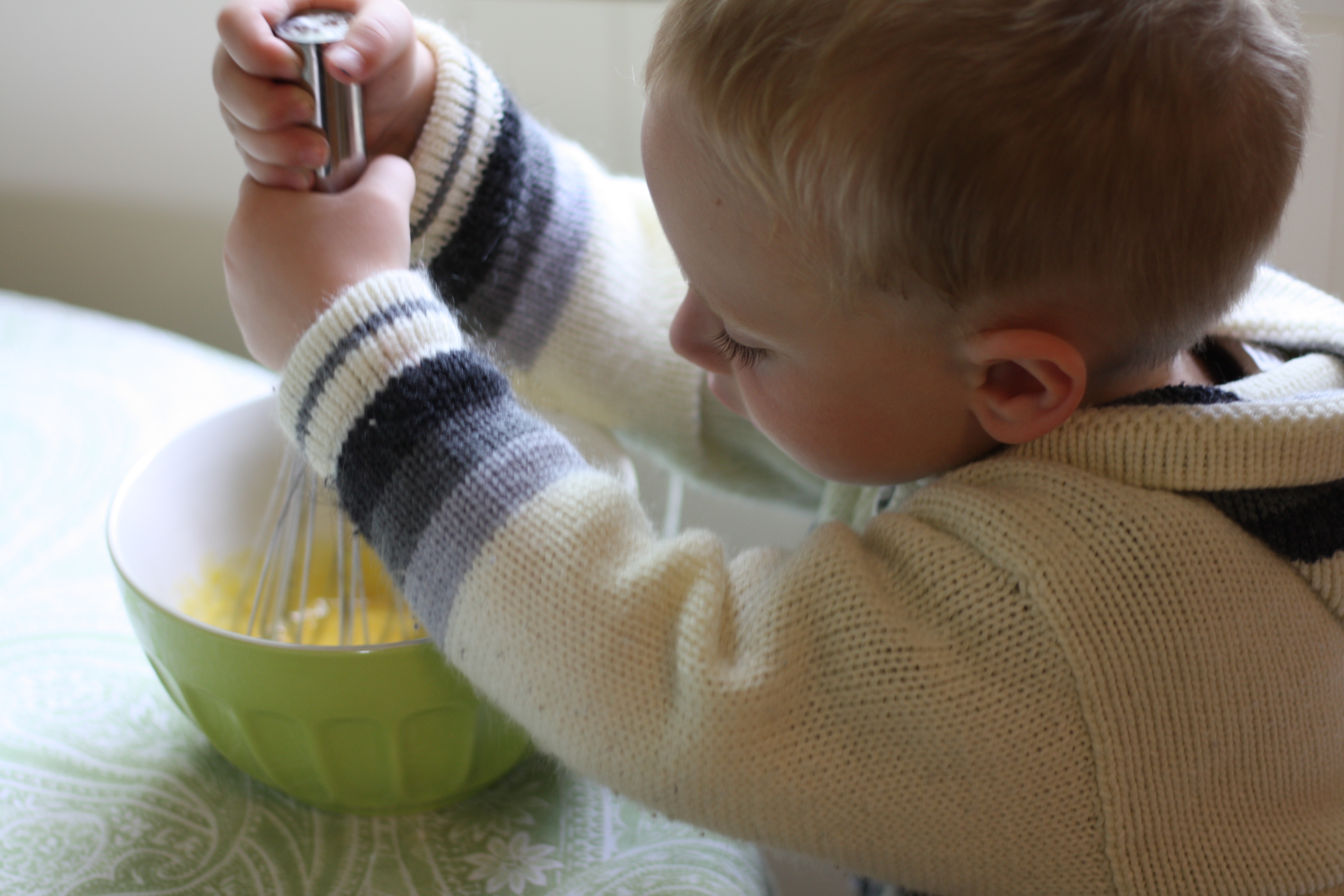
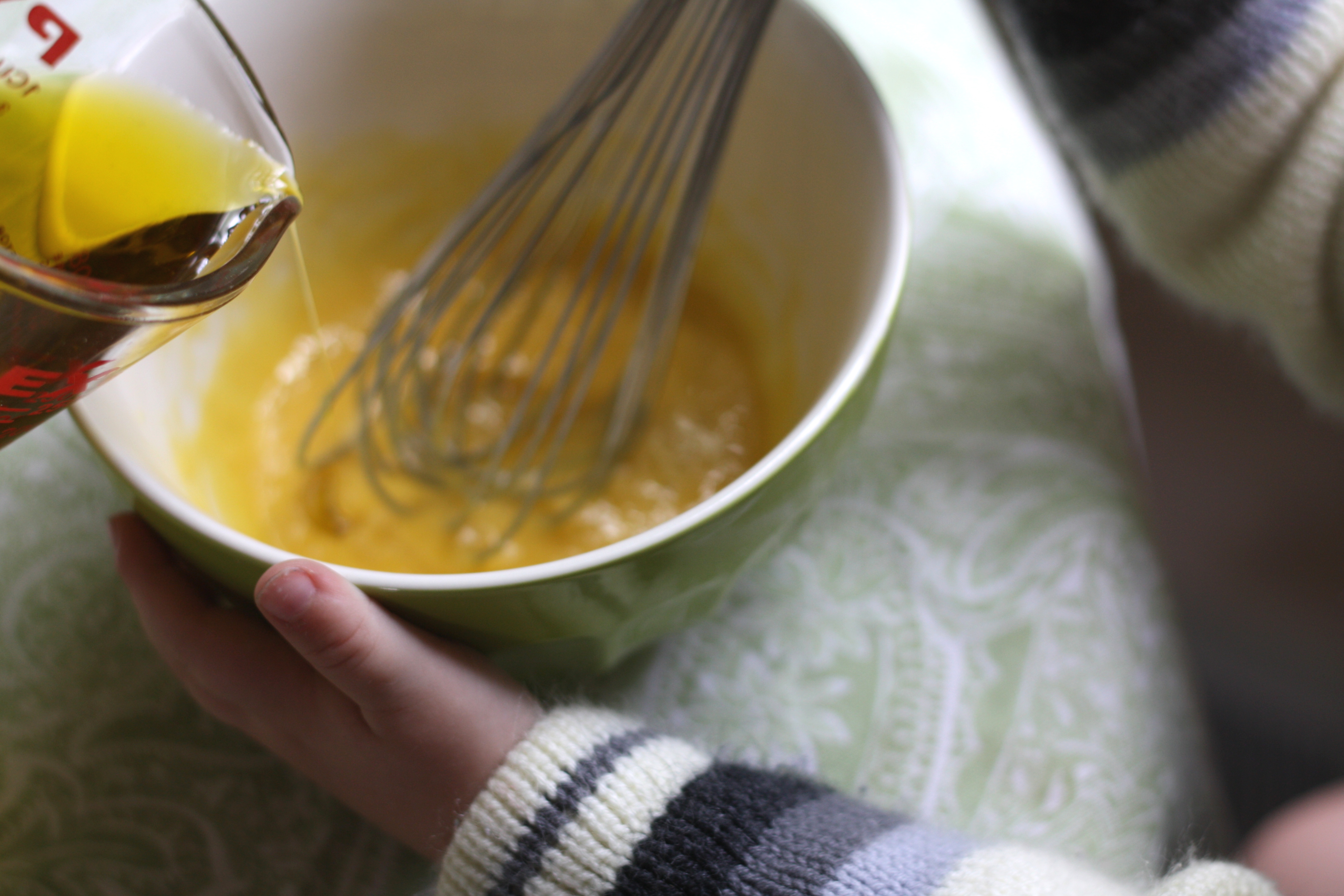
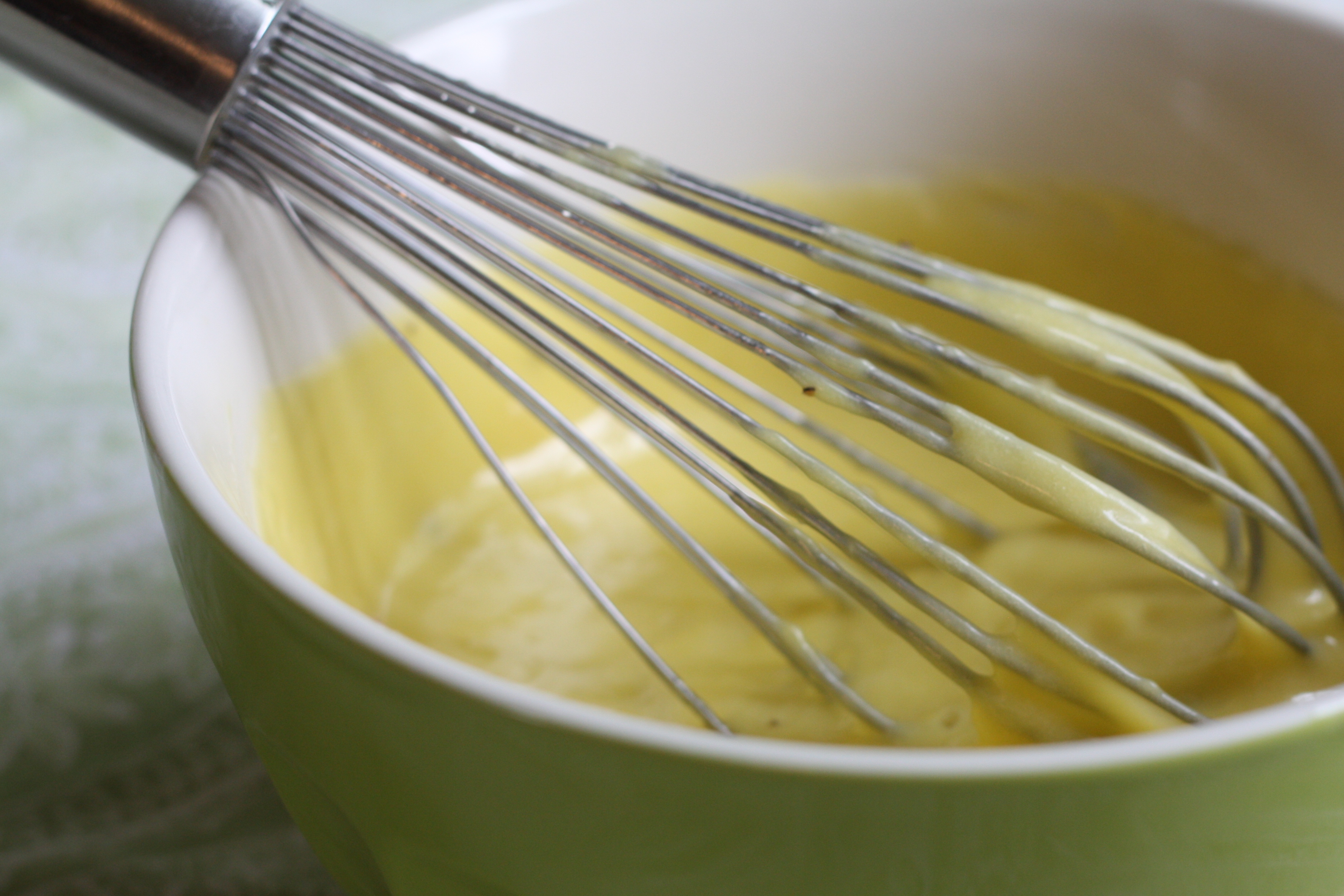
Use the edge of a knife to smash the cloves of garlic into a paste.  In a bowl, whisk together egg yolk, roasted garlic, and lemon juice. Very slowly, begin to drizzle the olive oil into the bowl, whisking continuously.  (Adding the oil too quickly may cause the sauce to “break”, which occurs when the oil and the egg yolks separate.) Slowly continue to incorporate the oil, whisking constantly, until the sauce thickens to a consistency similar to a thin mayonnaise. (If the sauce becomes too thick, whisk in a few drops of warm water.) Season with salt, pepper, and cayenne to taste. Add additional roasted garlic, if desired.

Roasted Garlic Mayonnaise

  • 5-8 cloves of roasted garlic
  • 1/4 cup mayonnaise
  • 3/4 tsp lemon juice
  • Pinch of cayenne

Use the edge of a knife to smash the cloves of garlic. Combine the roasted garlic, mayonnaise, cayenne, and lemon juice until smooth.

Little Chef

My “Mona Lisa” Burger

Beef Patty on Ciabatta with Gorgonzola, Prosciutto, Sun-dried Tomatoes, Olives, and a Roasted Garlic Aioli


Ingredients

  • Beef Patty
  • Ciabatta Rolls or Loaf
  • Gorgonzola Cheese
  • Prosciutto
  • Sun-dried Tomatoes, sliced
  • Olives with Pimento, sliced
  • Roasted Garlic Aioli
  • Lettuce
  • Red Onion, thinly sliced

Directions

Form the burgers to the shape of your bread. Grill burgers over medium heat until they reach a minimum temperature of 160 degrees. Split ciabatta in half. Spread roasted garlic aioli on the bottom half. Top with lettuce, onion, and sun-dried tomatoes. Place the burger on top of the garnish.  Top with gorgonzola, olives, and prosciutto.

The Challenge

Posted on

I’m going after my arch nemesis. That’s right! The Baked Alaska.

I’m gonna take you down, Baked Alaska! Take. You. Down.

A Baked Alaska is essentially ice cream on top of a sponge cake, coated with meringue and baked just long enough to brown the exterior of the meringue. You may remember the story I told about my first and only Baked Alaska attempt, which resulted in a tray of melted ice cream. That was too long ago to identify my misstep. But I’m going after it again!

So, who’s with me?  Anyone else got an itch to battle the big baked frozen treat?

Here’s the deal…

Whip up any version of a Baked Alaska sometime in the next week. Use any recipe, any ice cream flavor(s), any flavor sponge (or pound) cake.  Make your own sponge cake or buy one.  The only requirement is that you have a cake base, ice cream, and meringue.

There are several recipes for Baked Alaska at www.foodnetwork.com or www.epicurious.com Use one of those recipes or create your own version.

For better or worse, I’ll be writing about my showdown with the Baked Alaska a week from today. I’d love to hear how your attempts go! Remember, what’s the worst that can happen?  It melts?  Big whoop.  Take a picture and laugh at it.

I’m coming for you, Baked Alaska!  You, me, a mound of ice cream, and an extremely hot oven. Let’s do this.

Who’s with me??

Quiche Lorraine

Posted on

I’ve got a fridge full of leftover cheese that I don’t want to waste, including a large tub of shredded gruyere.  One of my favorite ways to use gruyere is in Quiche Lorraine. Doesn’t get much better than gruyere and bacon in a pie crust! I like to add sauteed onions, but if you’re not an onion fan, leave them out. Quiche makes a delicious breakfast, lunch, or dinner meal! It reheats nicely in the oven, making it a convenient dish to prepare ahead of time.

Today’s schedule does not include time for making a pie crust, so I’ll be using a frozen pastry shell. But, if you’re feeling sassy, go ahead and whip up your own buttery pie crust for this recipe!

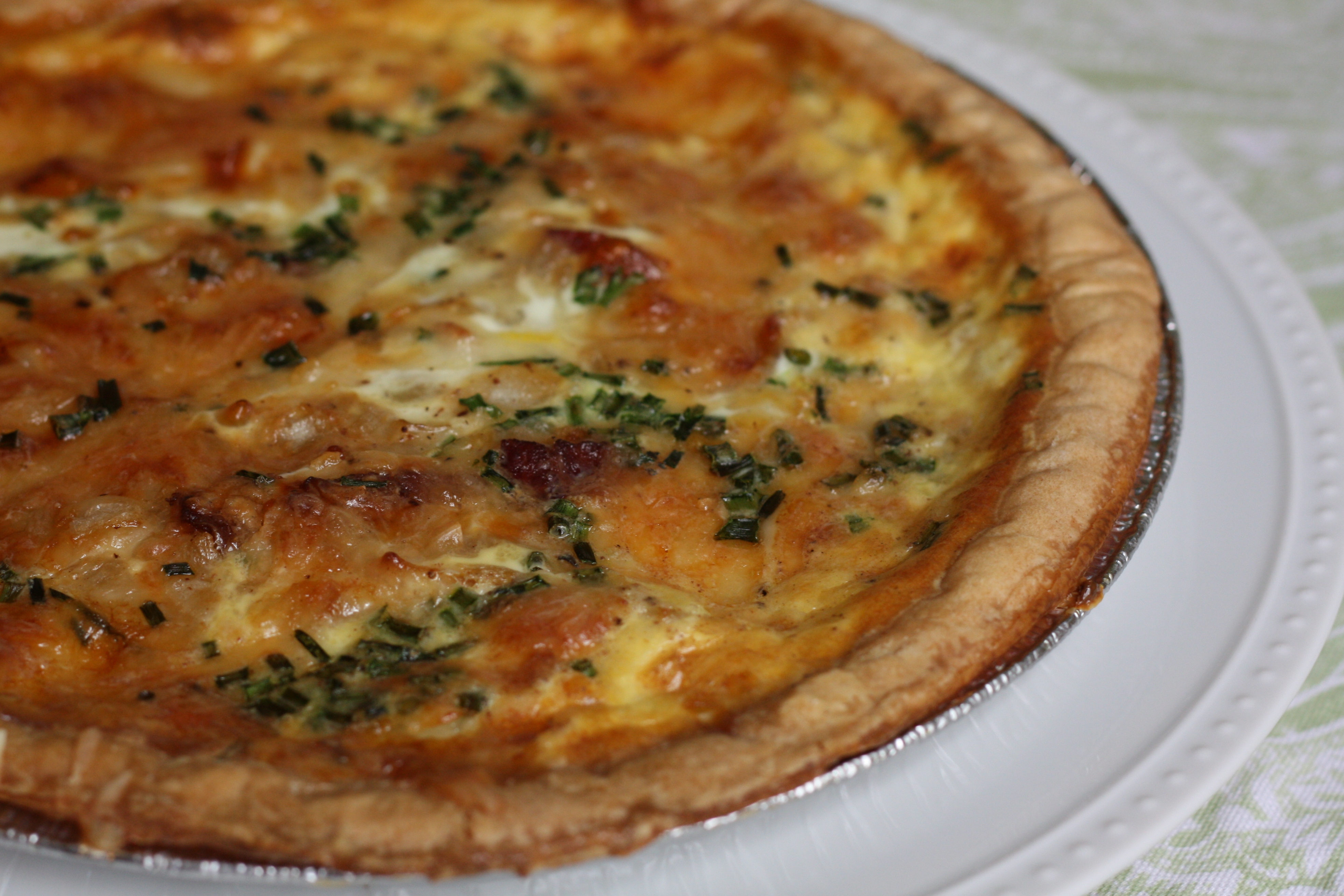
Quiche Lorraine

Quiche Lorraine

Ingredients

  • 1 pie crust, homemade or frozen
  • 1 tablespoon butter
  • 8 oz. bacon, chopped
  • 1 medium onion, chopped
  • 3/4 cup gruyere cheese, shredded
  • 5 eggs
  • 1 cup half and half
  • 2 tablespoons chives, chopped
  • Salt and pepper
  • Pinch of ground nutmeg

Directions

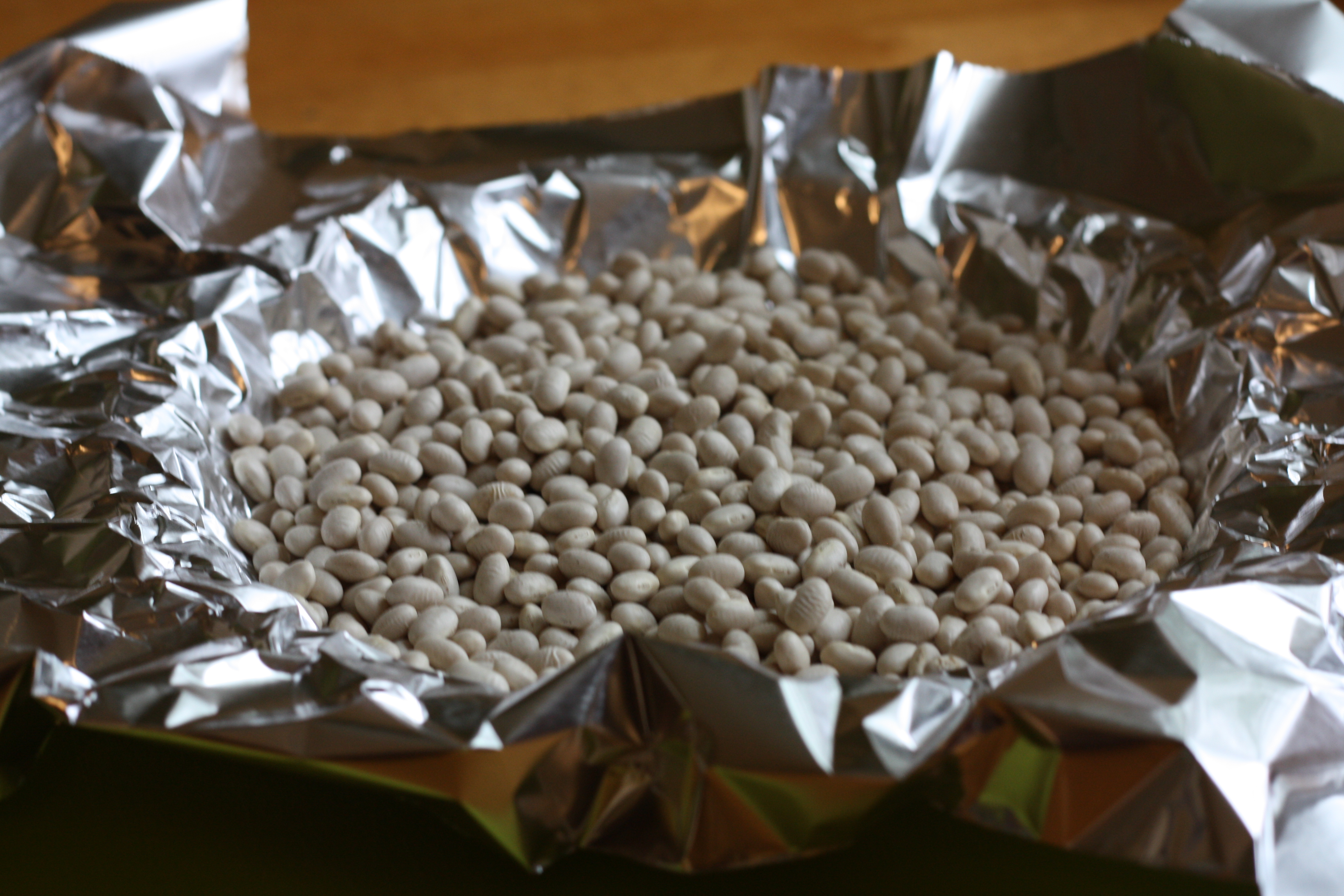
Preheat oven to 375 degrees. If using a frozen pie crust, allow it to thaw in the fridge for 20-30 minutes before using. Line pie crust with a piece of foil.  Fill with dry beans.  Bake in oven for 15 minutes.  Remove foil and beans.  Return to oven for another 5 minutes. (You can save the dried beans to reuse as pie weights.)

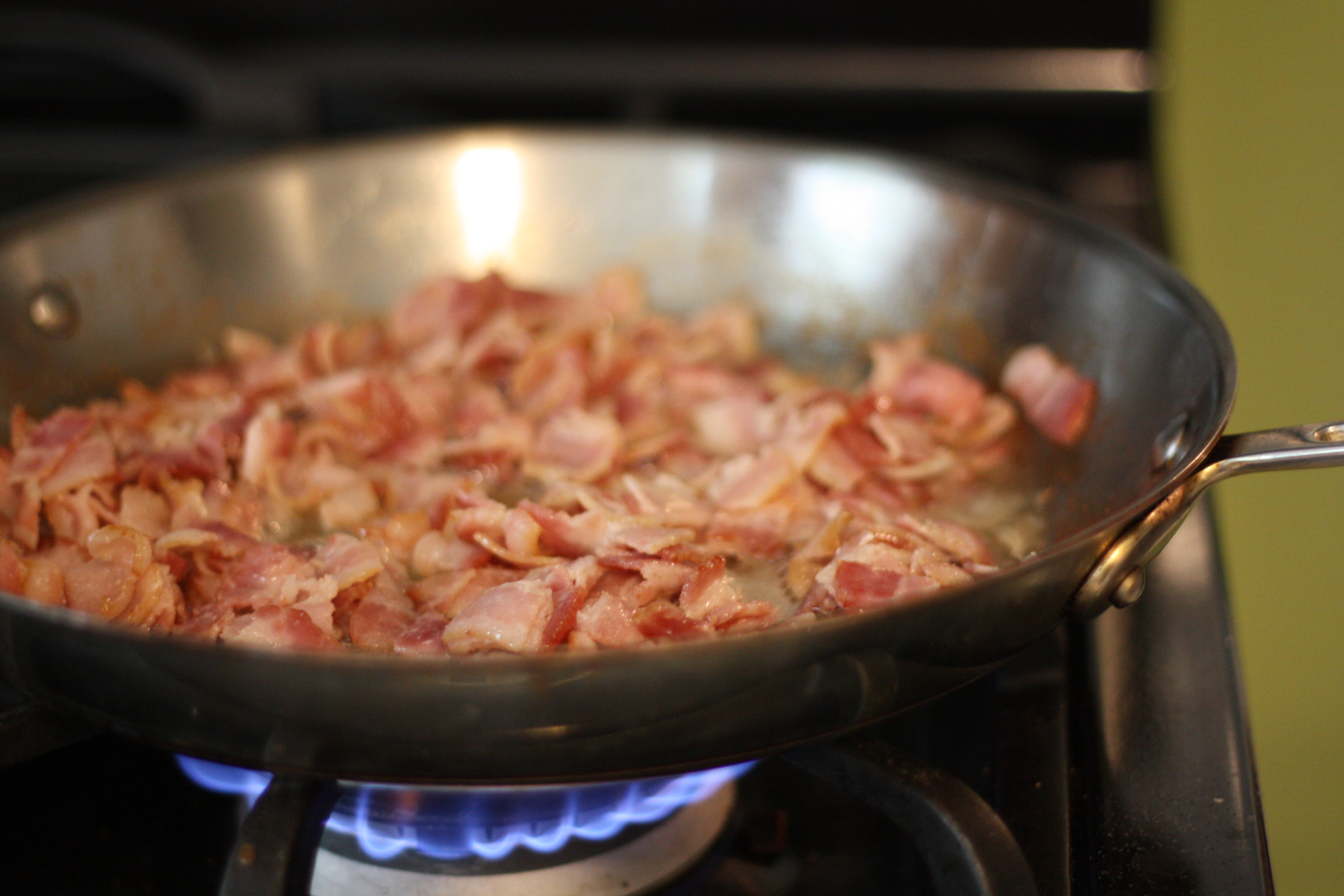
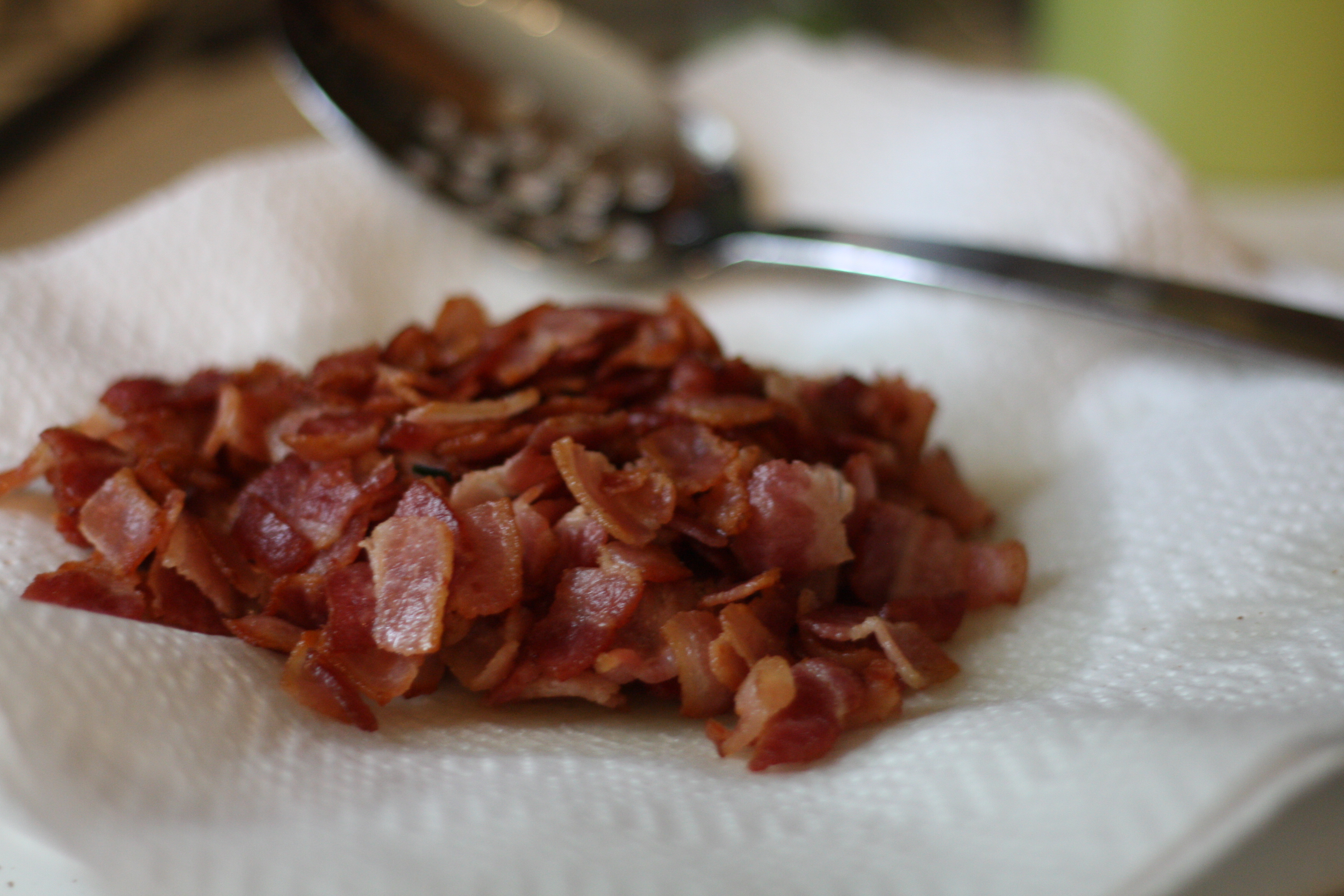
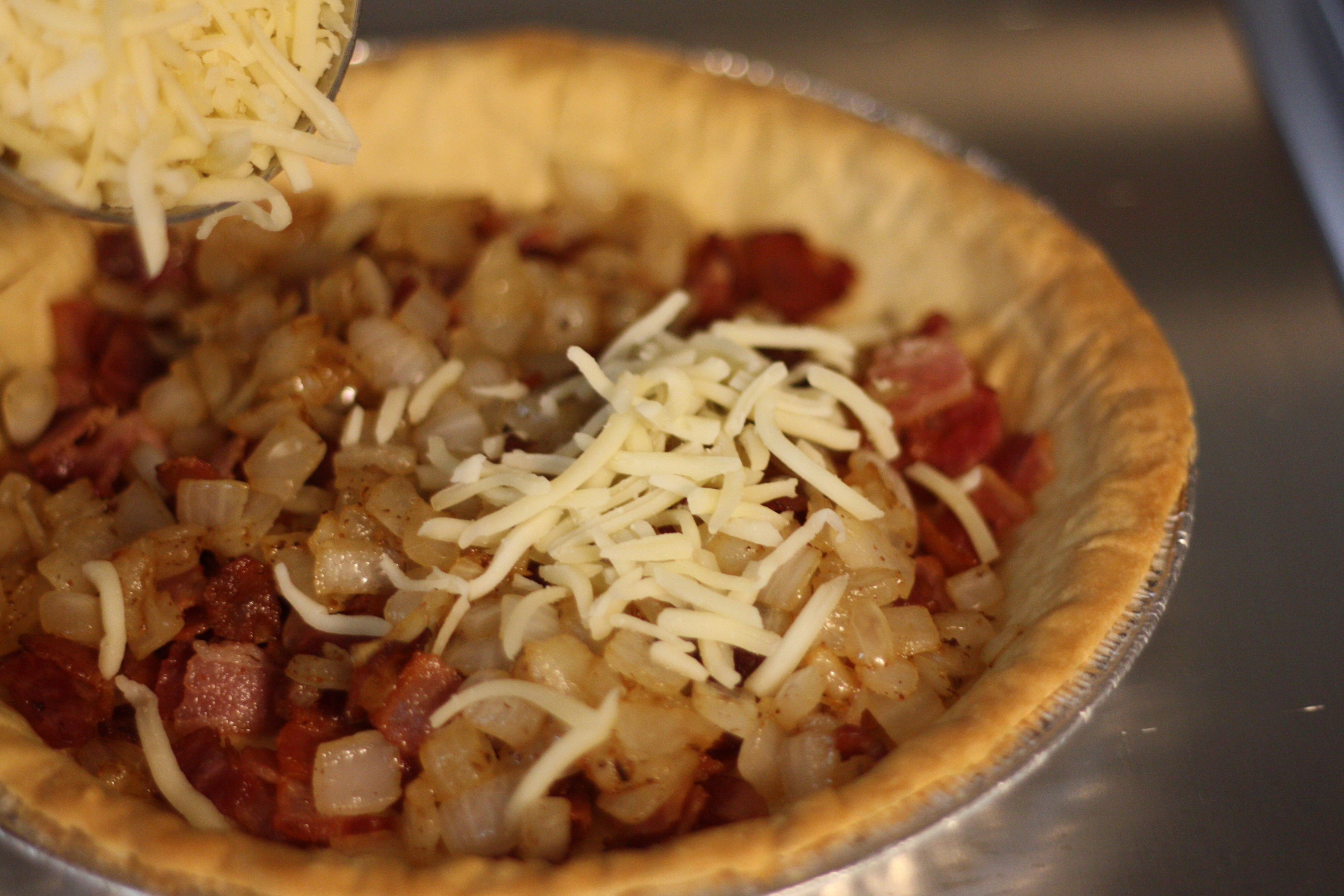
In a saute pan, melt 1 tablespoon butter.  Saute the chopped bacon over medium heat until it is cooked, about 10 minutes. Using a slotted spoon, remove bacon from the pan and place it over a double layer of paper towels to remove the excess grease. Sprinkle the bacon into the pie shell. Add onions to the bacon grease remaining in the pan.  Cook onions for about 5 minutes until they are soft and slightly caramelized. Drain over a paper towel. Sprinkle the onions over the bacon.  Distribute the gruyere evenly over the bacon and onions.

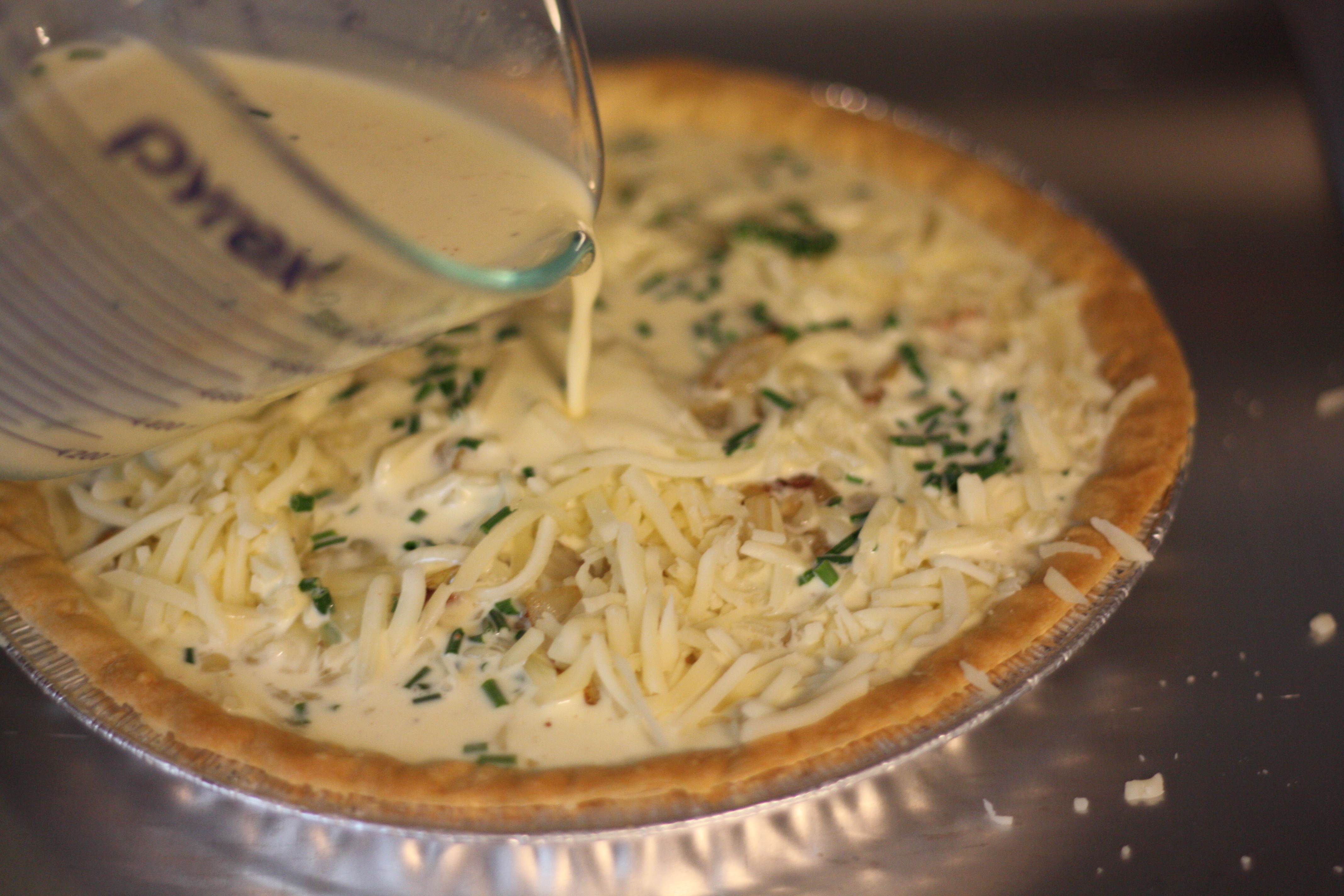
In a bowl, whisk together the eggs, half and half, and seasonings.  Pour over the bacon, onions, and cheese, being careful not to overfill.

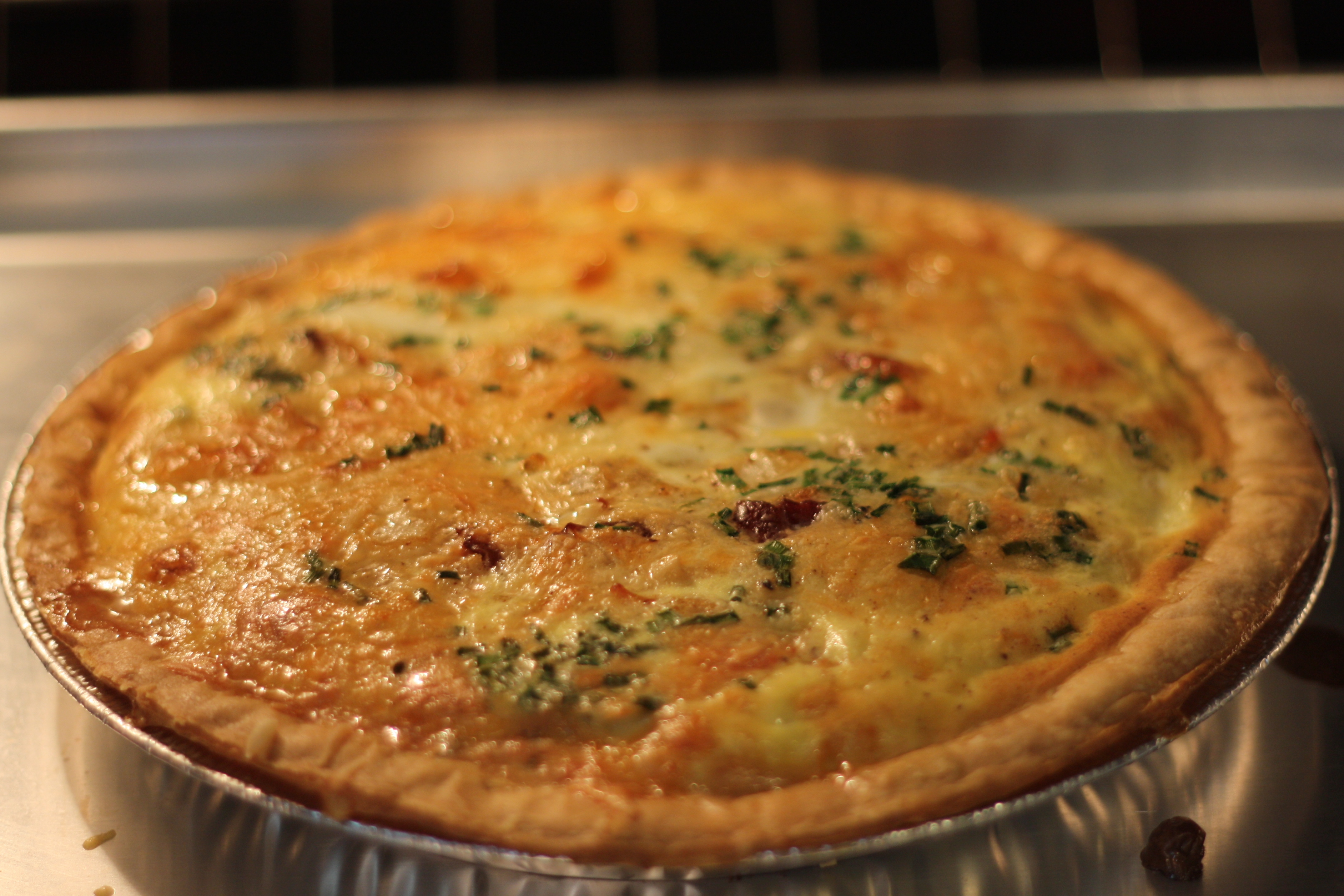
Place the pie shell on a baking sheet. Bake on the bottom rack for 35-45 minutes, until the filling has set in the middle. (You’ll know because it won’t wiggle anymore.)

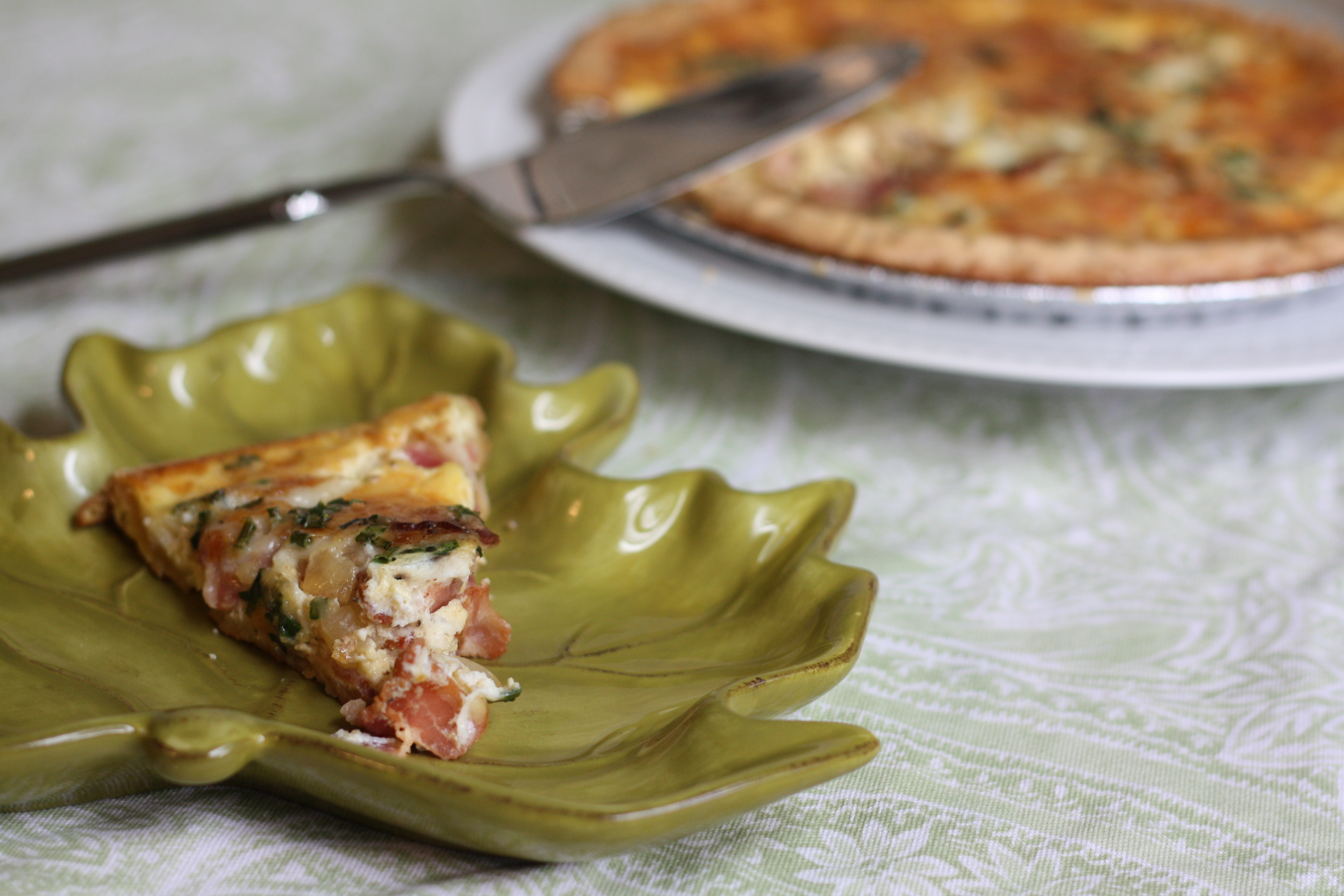
Allow it to cool slightly before serving.  Serve with a side of spring greens and balsamic vinaigrette.

Quiche will keep well in the fridge for a couple days.  You can reheat it in a 200 degree oven until warm.

How to Chop an Onion – A Photo Guide

Posted on

Here’s a handy procedure for chopping an onion, which makes the process fast and easy. It also reduces the likelihood of painful onion tears by locking in most of the fluids during the cutting process. Keeping the root intact throughout cutting helps hold the onion together, making it easier to manage.

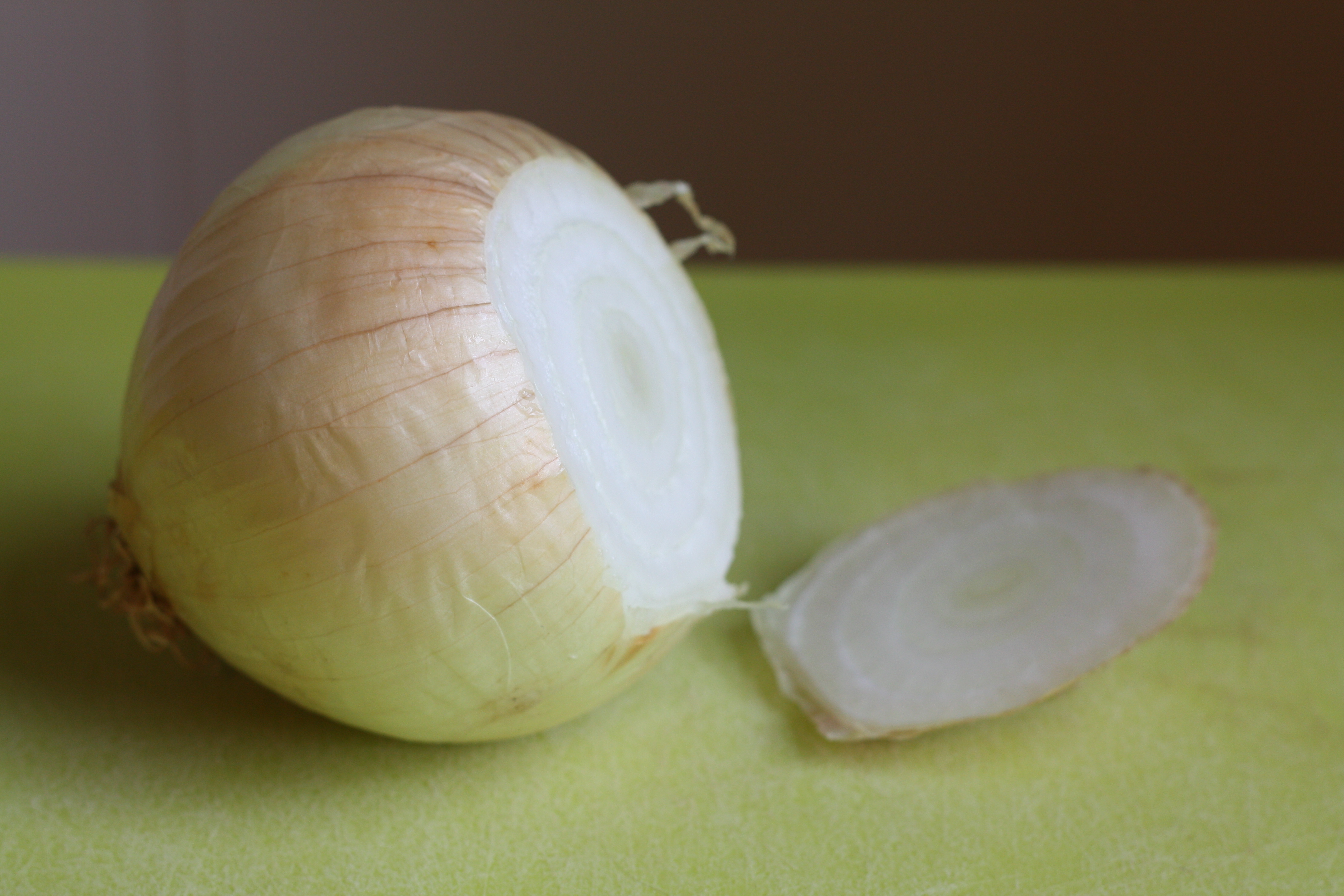
Start with an onion.

Cut off the non-root end of the onion.

Stand the onion on the cut side.

Cut it in half through the root.

Remove the onion peel.

Lie the onion on the flat cut side.

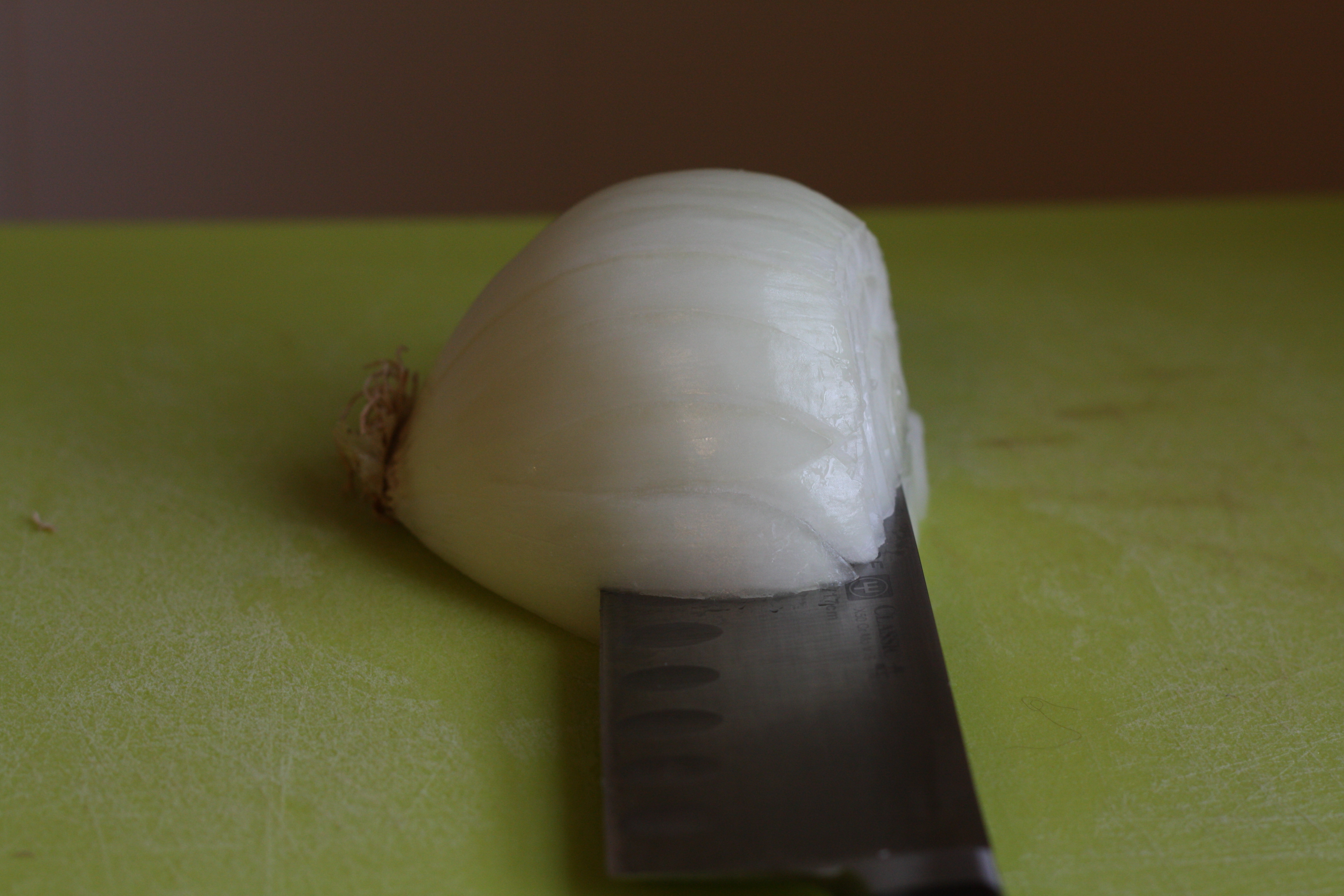
Make several vertical slits through the onion, being careful not to cut through the root end. Make the slits close together for a fine dice or farther apart for larger pieces.

Using your fingers to hold the sides of the onion together, carefully make one or two horizontal slits into the onion, being careful not to cut through the root.

Using your fingers to hold the onion together on the sides, cut through the onion, perpendicular to the vertical slits.

Repeat with the other onion half.

The Gourmand Mom

Good food, seasoned with a dash of life