RSS Feed

Tag Archives: culinary technique

Julia Child’s Beef Bourguignon

Posted on

Julia Child was one of America’s first (and dare I say greatest ) culinary celebrities, in a time long before shows like The Next Food Network Star or Top Chef sought to discover such talent. She was just a woman with a passion for good food, which led her down the gastronomical path that ultimately brought her into America’s kitchens. It was her passion for food which led her on the journey. It was her charm, relatability, and contagious adoration of food which grabbed the attention of adoring fans all around the world.

Julia changed the way home cooks thought about food. She knew that good food wasn’t exclusive to restaurant kitchens, prepared by professional chefs. She made expert culinary techniques accessible to everyone, in a manner which could inspire even the most novice cook to jump in head first. Because Julia understood that we learn best through trial and error. She understood that there is no such thing as a bad cook, only cooks who needed more practice. And she understood that even the most experienced cooks encountered the occasional kitchen disaster. She’d say, “Cooking is like love; it should be entered into with abandon or not at all.”  

Julia viewed food as one of the greatest pleasures in life, a pleasure worth the small sacrifice of a wider waistline. (Who needs to be a size 4 anyway???) She embraced cooking as an art form akin to ballet. And she cooked with the same inspired strokes of an artist to create timeless gastronomical masterpieces. But she was often criticized by nutrition-minded individuals for her use of rich ingredients, like butter and cream, which in excess could lead to health problems. To those criticisms, she responded, “Everybody is overreacting. If fear of food continues, it will be the death of gastronomy in the United States. Fortunately, the French don’t suffer from the same hysteria we do. We should enjoy food and have fun. It is one of the simplest and nicest pleasures in life.”  

I love this woman. And having lived to be two days short of 92 years old, a lifespan which she attributes to a regular diet of gin and red meat, I’d say she knew what she was talking about. Well-prepared food is a pleasure to be enjoyed, even within the framework of a healthy lifestyle.

Julia understood what really mattered. She knew that good food needn’t be complicated with elaborate presentation. She would say, “You don’t have to cook fancy or complicated masterpieces – just good food from fresh ingredients.” That’s all it really takes, isn’t it? It’s like this beef bourguignon, perhaps her most famous recipe and the subject of her very first televised episode of The French Chef on PBS. It’s a stew (with a fancy name that’s fun to say). But it’s a stew all the same, certainly not something most would consider fine dining. And yet, it’s probably one of the most delicious dishes you’ll ever eat.

I started making beef bourguignon a few years ago as our Christmas dinner. I suppose it’s become our tradition at this point. We entertain a large crowd on Christmas and for a few years, I experimented with various menus, all delicious, but the beef bourguignon stuck. It’s enjoyed by everyone at the table and best yet, can be fully prepared the day before. In fact, it’s even better after sitting in the fridge overnight!

In honor of what would have been Julia’s 100th birthday (August 15), I prepared her infamous beef bourguignon. (I certainly wasn’t going to cook the roast suckling pig.) Beef Bourguignon is normally a recipe I would save for the colder months when it’s lovely to have the house warmed with the slow-cooking oven and flooded with the rich aromas of the dish. But when I think of Julia, I think of beef bourguignon, and so it had to be.

The original recipe can be found in Julia’s first book, Mastering the Art of French Cooking. She was a wise woman who fully recognized that some of the recipes contained in the book may require stretching one’s budget, waistline, time, and schedule, but such are the sacrifices we make in the name of something wonderful to eat. Like many of the dishes in her book, this dish takes some time, but there’s no step too complicated for even the most novice chef. Heed Julia’s advice and cook with abandon. As with many of the world’s greatest pleasures, anything worth having is worth the work it takes to get there.
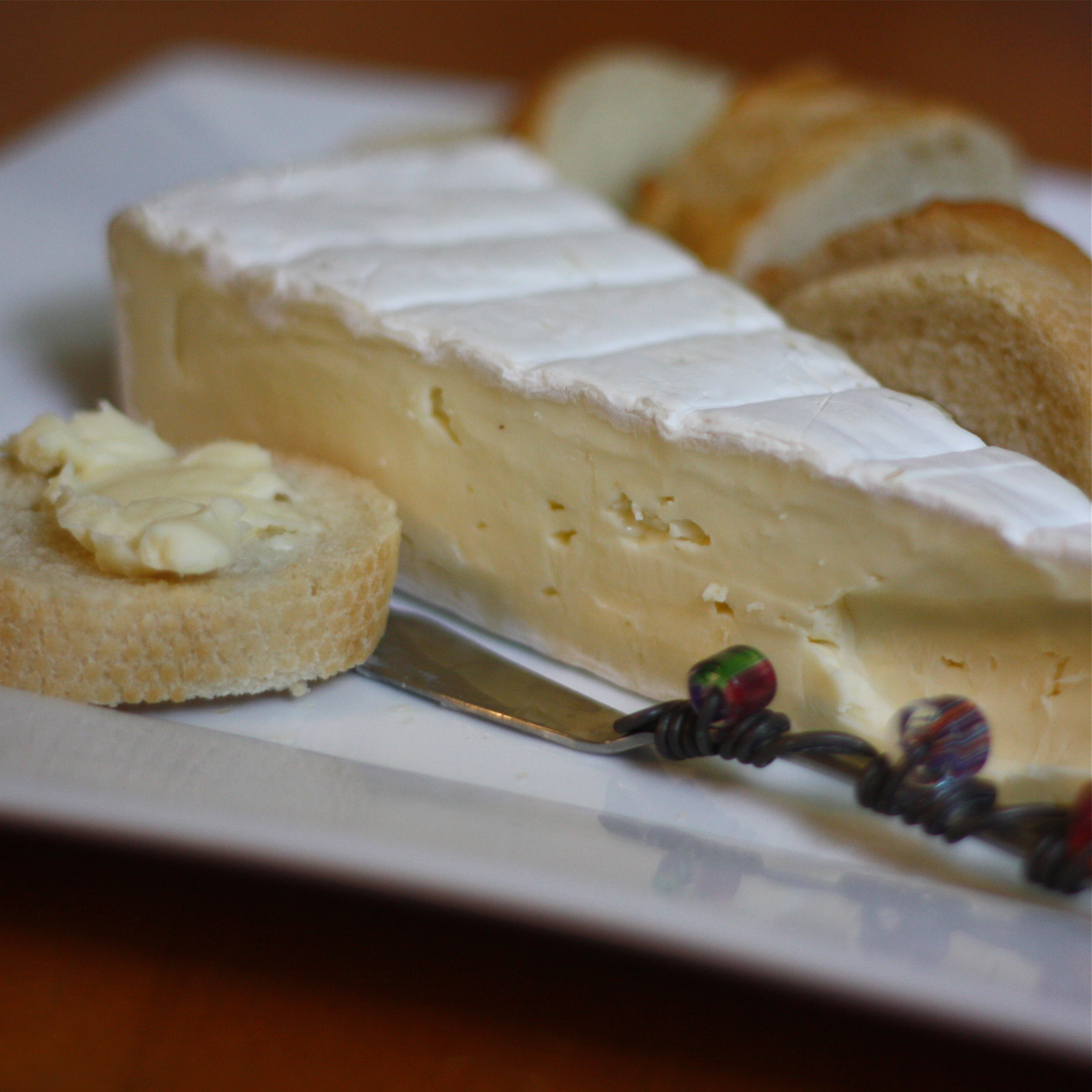
While I waited for my beef bourguignon to finish cooking, I turned on some music and danced in the kitchen with my boys. Then I poured myself a glass of wine and spread some creamy brie onto slices of French baguette. I’m pretty sure Julia would have approved.

Happy 100th, Julia and Bon Appétit!!

Julia Child’s Beef Bourguignon
Boeuf a la Bourguignonne

(In my own words. Very slightly modified from the original.)

Ingredients

  • 1/2 pound bacon, chopped
  • 1 tablespoon olive oil
  • 3 pounds lean stewing beef (cut into approximately 2″ chunks)
  • 1 carrot, sliced (or 10-15 baby carrots, coarse chopped)
  • 1 onion, chopped
  • 1 teaspoon salt
  • 1/4 teaspoon pepper
  • 2 tablespoons flour
  • 3 cups full-bodied red wine
  • 2 – 3 cups beef stock
  • 1 tablespoon tomato paste
  • 2 cloves garlic, smashed
  • 1/2 teaspoon thyme
  • 1 crumbled bay leaf (optional)

For the brown-braised onions (Oignons Glacés à Brun)

  • 1/2 bag frozen white pearl onions, defrosted and patted dry
  • 1 1/2 tablespoons butter
  • 1 tablespoon olive oil
  • 1/2 cup beef stock or beef broth
  • Salt and pepper

For the sautéed mushrooms (Champignons Sautés au Beurre)

  • 1 pound mushrooms, quartered
  • 4 tablespoons butter
  • Salt and pepper

Directions

Gather and prepare your ingredients prior to cooking. Chop the bacon, chop the beef, chop the veggies, smash the garlic… Preparing your ‘mise en place’ will help things go smoothly once you’ve fired up the stove.

Preheat oven to 450 degrees.

Arrange the beef chunks in a single layer on a tray lined with paper towels. Use additional paper towels to thoroughly pat the beef dry.

*Damp beef will not brown properly.

*Julia recommends chuck beef for stew meat. I usually use the precut ‘stew beef’ from my grocery store. It saves me a few minutes of prep time, which is invaluable when you’re cooking while three young boys threaten to tear the house (or each other) apart.

In a large dutch oven pan, heat the olive oil over medium heat. Add the bacon and cook for several minutes, until the bacon is browned and has released most of its fat. Use a slotted spoon to remove the bacon, leaving the fat in the pan.

*Julia’s recipe calls for a 6 ounce piece of chunk bacon, cut into lardons. Regular sliced bacon will work just fine!

*Any large, stove and oven-safe pan with a tight fitting lid will do the job. I use a 9-quart Le Creuset enameled  cast iron french oven pan.

Over medium/medium-high heat, brown the beef in the bacon fat for a minute or two on each side. Do not overcrowd the pan. The beef should quickly develop a nice caramelized brown on the surface. Turn the beef to brown on all sides, then remove with a slotted spoon and set aside. Repeat until all of the beef has been browned.

*You do not want to steam or boil the beef. If your beef is not browning properly, it is either due to the heat not being high enough, the pan being over-crowded (which lowers the heat of the bacon fat), or the beef being too damp. Try adjusting each of these conditions.

Once all of the beef has been browned, add the carrots and onions to the pan. Cook for a few minutes until they develop a golden brown color. Then, carefully pour out the excess bacon fat, leaving the veggies in the pan.

Add the beef and bacon back into the pan. Toss with salt and pepper. Then, sprinkle the flour over the mixture and toss again. Place the pan, uncovered, on the middle rack of the preheated oven for 4 minutes. Toss the mixture, then cook for 4 more minutes.

Remove the pan from the oven and reduce the heat to 325 degrees.

Add the wine*, beef stock, tomato paste, garlic, and thyme. Add just enough beef stock to barely cover the beef.

*Julia recommends Beaujolais, Cotes du Rhone or Burgundy. I use whatever dry red I have on hand, usually Merlot, Cabernet Sauvignon, or Pinot Noir. Use something you enjoy drinking. While you’re at it, go ahead and pour a glass. Julia wouldn’t mind. In fact, I think she would have encouraged it. Cheers!

Bring to a simmer on top of the stove. Then, cover the pan, and place it in the oven. Cook, covered, for about 3 hours. Adjust the temperature slightly, if necessary, so that the liquid maintains a gentle simmer throughout the cooking time.

While the beef is cooking, prepare the onions and mushrooms.

For the onions:

Heat the butter and oil in a sauté pan over medium heat. Add the onions and cook for about 10 minutes, occasionally shaking the pan to allow the onions to roll around in the pan and brown on all sides. Then, add the beef stock. Bring to a simmer, then lower the heat. Cover and simmer slowly for about 15-20 minutes. Check the pan towards the end of the cooking time. Most of the liquid should have evaporated and formed a brown glaze around the onions. Season with salt and pepper. Set aside.

*Julia’s recipe calls for fresh, peeled white onions, about 1″ in diameter. Since my grocery store does not regularly carry the small onions, I use about 1/2 a bag of frozen white pearl onions. The added convenience is that they’re already peeled! Just be sure to defrost completely and pat dry before sauteeing. Fresh onions will require longer cooking time, about 40-50 minutes.

For the mushrooms:

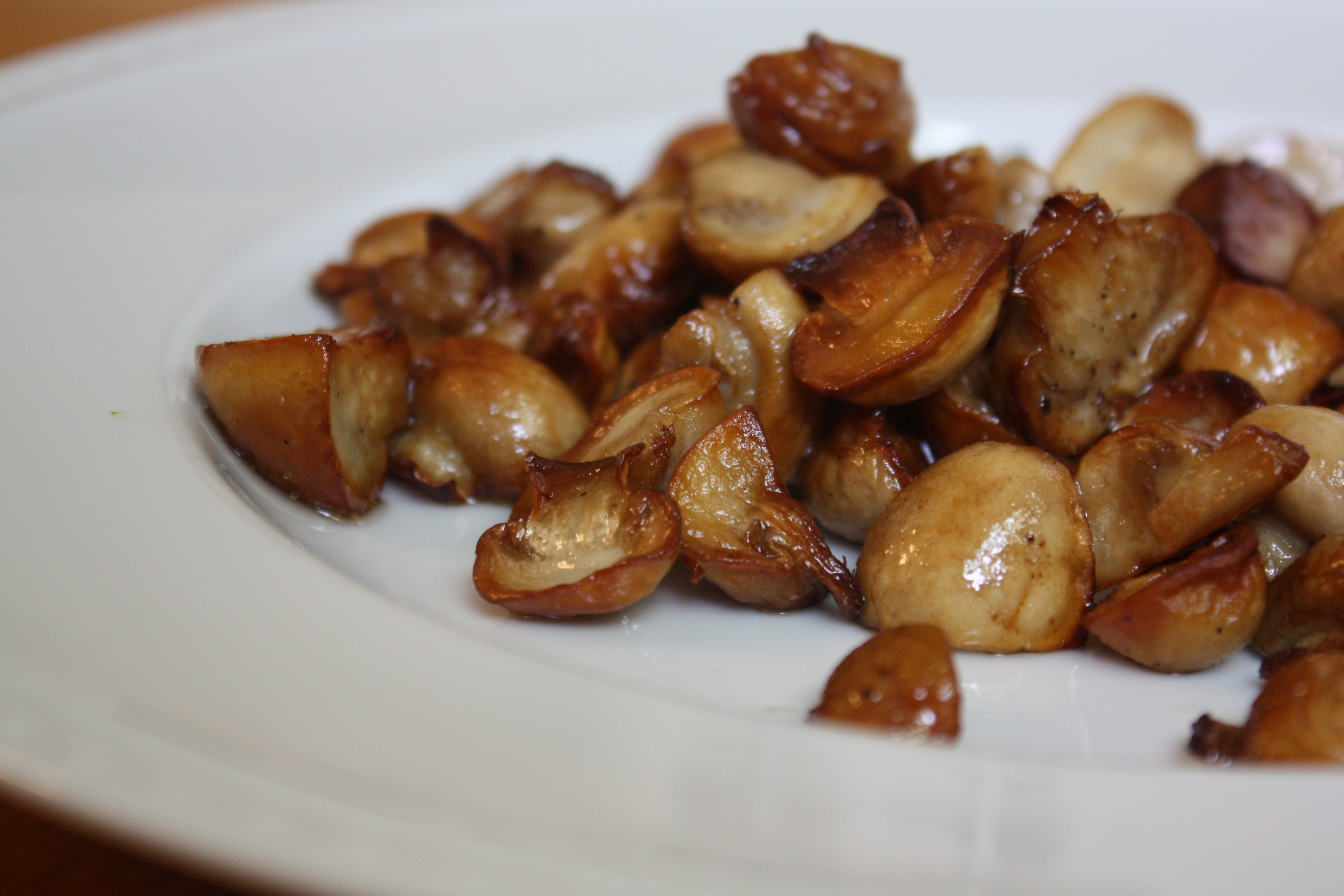
Heat the butter in a sauté pan over medium-high heat. Add the mushrooms. Cook for  about 10 minutes, stirring frequently.

*The mushrooms will at first appear to absorb the melted butter, but will eventually release the butter and their own liquid. As the liquid evaporates, the mushrooms will acquire a golden brown color.

Season with salt and pepper, then set aside.
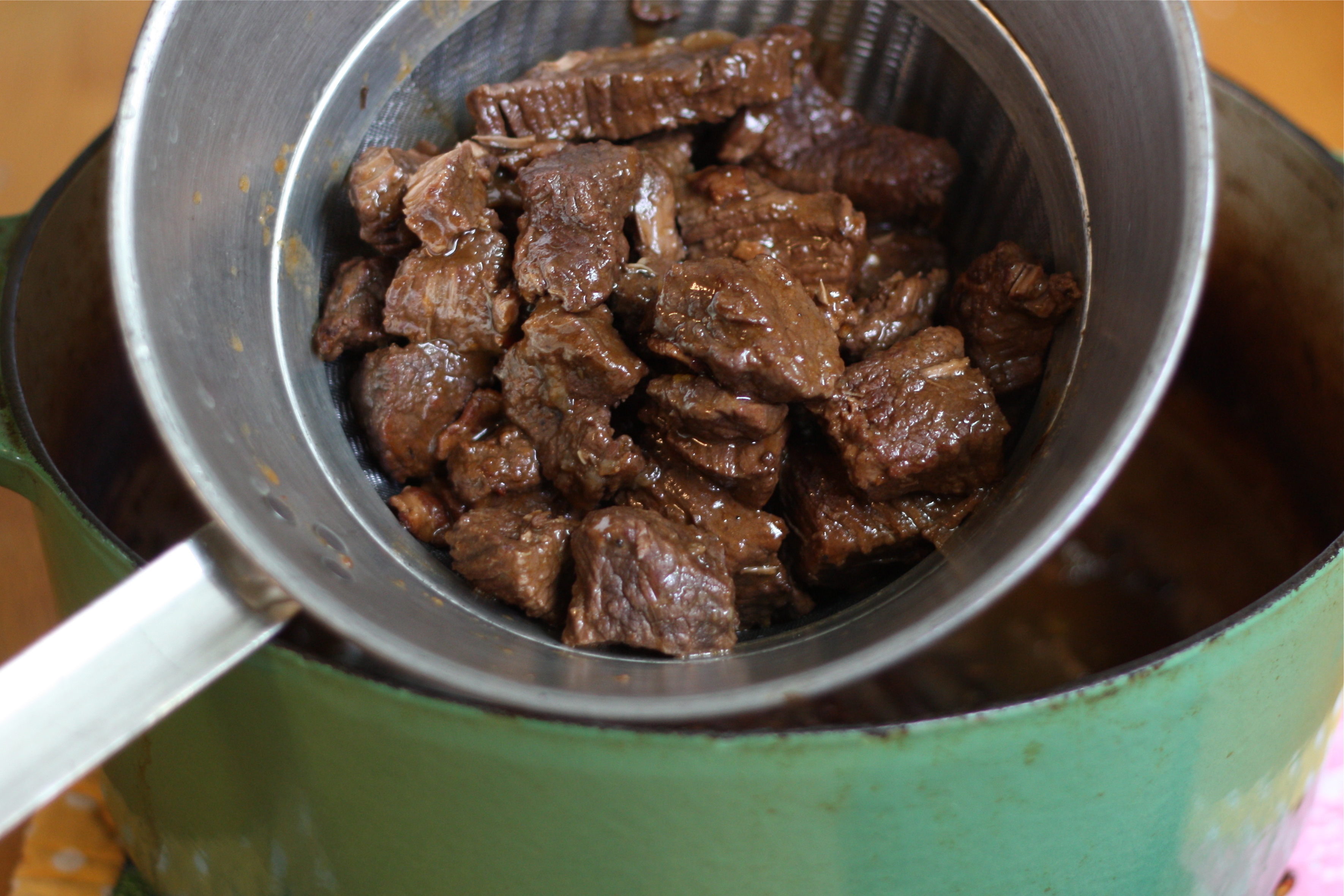
Once the beef has finished cooking, carefully pour the mixture through a sieve or strainer. Allow the sauce to collect in a large measuring cup (the 4-cup kind) or glass bowl. Return the beef and bacon to the dutch oven pan. Discard the carrot and onion pieces.
Arrange the brown-braised onions and sauteed mushrooms over the beef.

Allow the sauce to rest for a few minutes. The excess fat will rise to the surface as it rests. Use a spoon to collect and discard the excess fat. Repeat until much of the excess fat has been discarded.

You should have about 2 – 2 1/2 cups of sauce. If you have much more than this, pour the sauce into a small saucepan and simmer uncovered until it’s reduced a bit. It should be quite flavorful and thick enough to lightly coat the back of a spoon. Taste and adjust the seasoning with salt and pepper, as desired. Pour the sauce over the beef, mushrooms, and onions.

Serve over boiled potatoes or hot-buttered noodles. Julia recommends a side of buttered peas as an appropriate veggie side.

This dish reheats exceptionally well. Simply bring to a gentle simmer on the stovetop for a few minutes, until all components are heated through.

If you’ve got 30 minutes to spare, you can watch Julia cooking her beef bourguignon during the first episode of The French Chef  HERE.

How to Juggle Cooking and Kids

Posted on

I’m often asked, How do you do it? How do you cook all of that yummy stuff with the three boys running around?

Well…sometimes it’s not so easy. Sometimes it feels downright near impossible. And sometimes I don’t even try. We pick up some prepared salads or sandwiches from the grocery store, order a pizza, or I give the kids what I call ‘snack dinner’, which is essentially a random collection of snacky type things like a mozzarella cheese stick, cup of yogurt, handful of grapes, or some carrots sticks and dip. (Snack dinner happens to be the boys’ most favorite meal.)
But I do cook a lot and I’ve developed a repertoire of strategies which I employ to get the job done. Perhaps they’ll work for you too…

Involve the Kids

Strategy 1 – Involve the Kids

I love cooking with the kids. It’s an activity which is bursting with very natural learning opportunities, plus it teaches kids about foods and flavors and makes them more willing to try out new things. Best of all, when they’re engaged in helping you, they’re not off doing other sorts of mischief. You can read a bit more about involving kids in the kitchen in my special section devoted towards cooking with kids.

Dance Party!!

Strategy 2 – Kitchen Dance Party

Sometimes, getting the kids involved in the meal preparation just isn’t logistically possible. When that’s the case, I initiate kitchen dance party. I have an ipod dock sitting on my kitchen counter. We cue up my running mix and pump the volume. And then we dance our butts off while I tend to whatever I’m whipping up that day. All three boys come running when Ice, Ice, Baby starts pumping through the kitchen. Who doesn’t love a song which includes lyrics about a pound of bacon??

Serve an Amuse Bouche

Strategy 3 – Serve an Amuse Bouche

In fancy restaurants, they often serve an amuse bouche. Amuse bouche translates literally to ‘mouth amuser’. It’s usually some small bite-sized hors d’oeuvre of the chef’s choosing; a little blini topped with smoked salmon and caviar or a tiny cup of seasonal bisque or a bite of perfectly-cooked truffled risotto. The entire idea of an amuse-bouche makes me absolutely gleeful. It’s like a bonus course, a little surprise. And it helps makes the time between ordering your food and the arrival of your first course more pleasant. In the home, an amuse bouche may buy you the time you need to cook the actual meal. Of course, I’m not serving salmon, truffles, and caviar to my children. A handful of cherries, scoop of cereal, or a strawberry spinach smoothie usually does the trick…it just needs to be something which keeps them busy and adds a bit of nutritional value to the coming meal.

‘Mise en Place’ for Penne ala Vodka

Strategy 4 – Cook in Parts

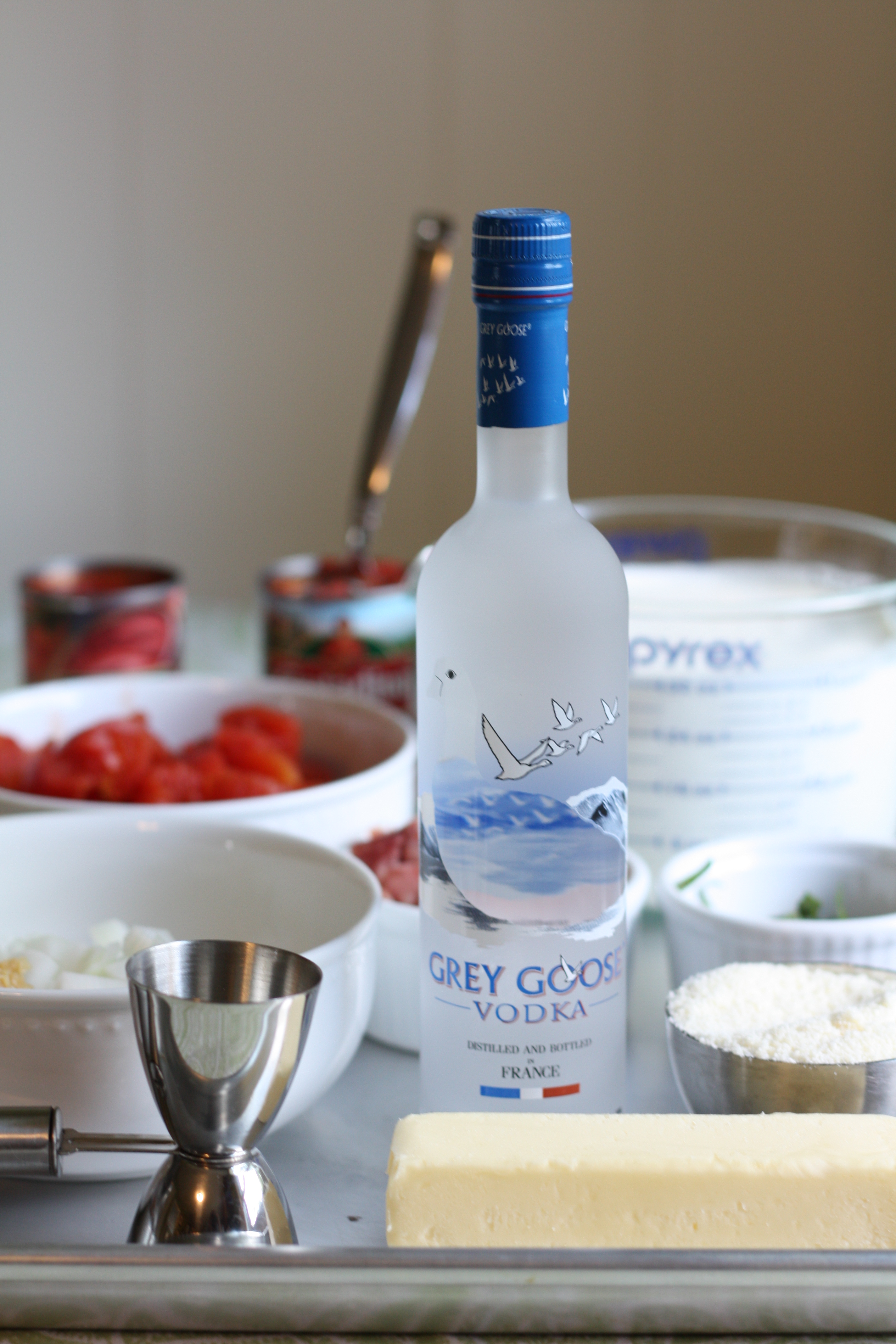
I rarely cook a meal from start to finish all at once. I cook in parts, when the opportunities present themselves. If the kids are playing independently, I hop into the kitchen and chop the onions for a tasty penne ala vodka. Then I stick them in a baggie in the fridge. A little while later, while the baby’s napping, I may measure the cream and chop the prosciutto. When the boys are eating lunch, I grate the cheese. In the culinary world, chefs use the term mise en place, which essentially translates to ‘everything in its place’. It’s basically referring to the process of prepping and gathering all of your ingredients prior to cooking. It’s a good practice to get into whether you have kids or not. Gathering and preparing everything before you get started will save you a whole lot of scrambling around while you cook. I prepare my ‘mise en place’ in little bits all throughout the day so that when dinner rolls around, I just need to put it all together.

Melon Sangria, Anyone?

Strategy 5 – Put on Your Blinders and Charge Onward

Sometimes everything else fails and you just need to plug along. In fact, just this morning, as I was preparing a cake for a pool party potluck we’ll be attending tomorrow, I had a nightmarish cooking experience. I tried our dance party tactic, which worked for a while, until my 5-year-old threw himself head and hands first onto the floor in an attempt to do some sort of headstand type move, which he clearly has no business doing. While performing this ambitious maneuver, he managed to injure his hand, which resulted in the immediate need for icepacks, pretend bandages, and snuggles. I then moved onto to the ‘amuse bouche’ strategy in an attempt to get the cake in the oven. In this case, I gave everyone a scoop of the peanut butter chips I was using in the cake. The baby ate a few and then abandoned his peanut butter chips in favor of clawing at my legs and screaming at me to pick him up. The dog wasted no time and immediately stuck his tongue into the baby’s snack bowl. I threw the now slimy snack bowl into the sink, picked up the baby and held him on my hip while I continued preparing the cake batter. At this point, I realized that in my distracted state, I’d almost forgotten to add the cocoa to my chocolate cake. As I moved to the pantry the grab the cocoa, commotion ensued in the living room. Turns out that my three-year-old had found his favorite shoes outside, put them on, and proceeded to spread dog poopy all over the house and his toys. I stopped again to clean the mess, then thoroughly washed my hands in scalding hot water and proceeded to finish the cake with the baby on my hip. Sometimes you just need to charge onward.

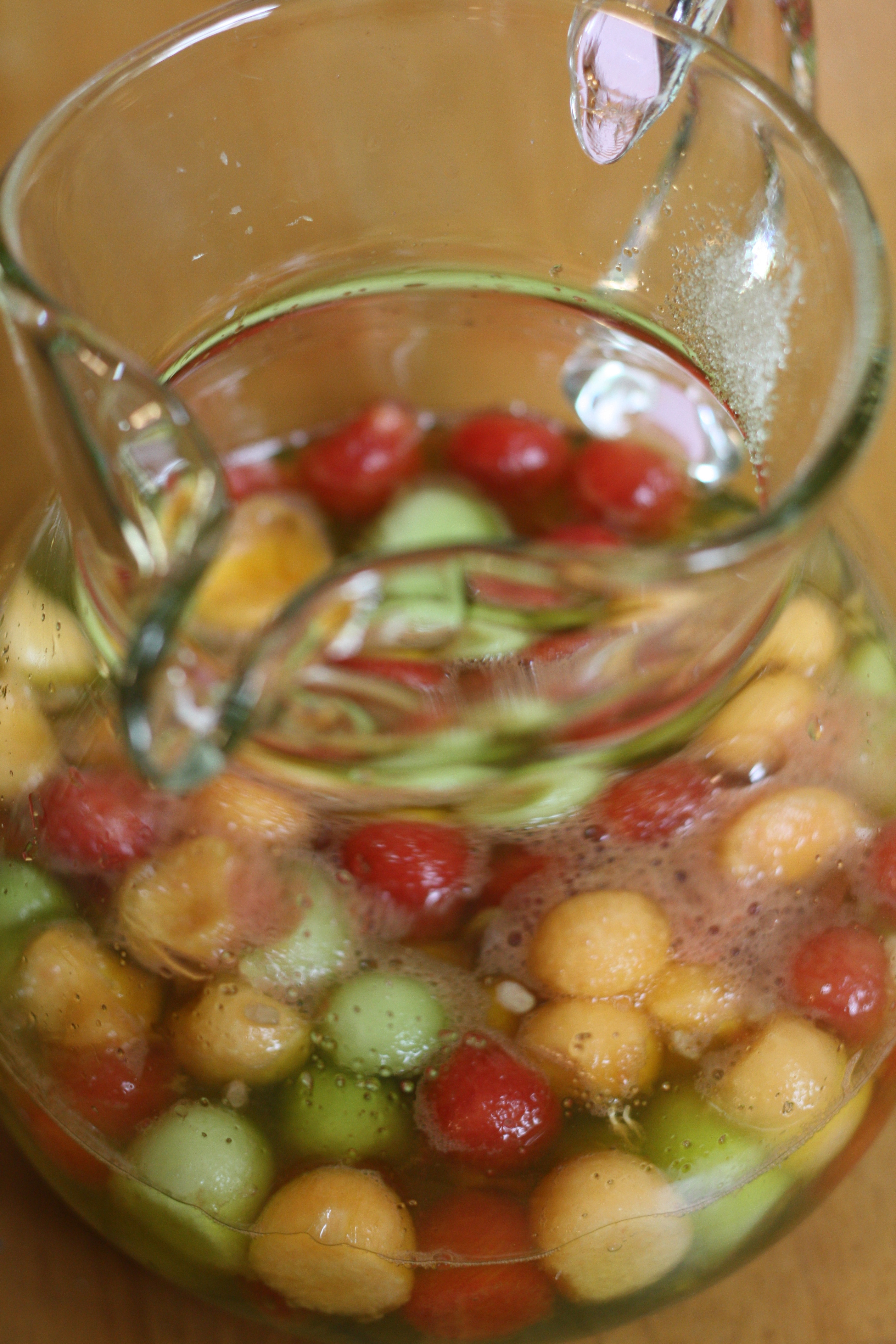
And when all else fails, a glass of melon sangria usually helps…for you, not the kids, silly goose!

Crab Cake Summer Salad

Posted on

My five-year old, Liam, and his three-year-old younger brother, Lucas, are inseparable. Yet the two boys could hardly be more different. One of the most notable displays of their differences comes in the form of their regard for truth-telling.

We like to joke that with Lucas, you always know where you stand. He does not mince words and he tells it like it is, for better or worse. The kid does not tell a lie, ever. Even at the cost of rewards or consequences.

Lucas, did you hit your brother?
Yes, I did. He looked at me funny.
What’s that smell, Lucas?
It’s me. I farted.
Lucas, are you going to cooperate for Mommy today?
No, I’m not. (Spoken with a voice of unfortunate regret and calm, matter-of-fact truth.)
 

Liam, on the other hand, is almost always scheming for his next treat or devising a plan to get his hands on some forbidden item. And he is hardly ever not spinning some story.

Whatcha doing, Liam?
Nothing.
It’s impossible to be doing nothing. What are you really doing?
Seriously, Mommy. I’m not doing any mischief. (Indicator of certain mischief)
If I need to come in there to see what you’re doing, I’m going to be upset.
Alright…I’m climbing on a precarious pile of knives, broken glass, and samurai swords, trying to get to the candy on top of the fridge. 
 

So, on the afternoon, when Lucas came crying to us, claiming that Liam had spit on him, we were inclined to believe him. When confronted, Liam repeatedly insisted that he did not spit on his brother. Finally, as my husband puts it, he played the Jesus card. In his words, I pay for Catholic school. That gives me the right to play the Jesus card. The Jesus card goes something like this: What would Jesus think if he found out you were lying? (Apparently, the infamous Catholic guilt doesn’t come from the church. It comes from the parents.)

But it worked. Liam let out a sigh and then reluctantly said, Alright… He then proceeded to carefully explain that he did in fact spit. And it was, in fact, in Lucas’ general direction. But he wasn’t spitting at Lucas. Lucas just happened to get in the way of the spit.

Sure…

The lesson here is…when in doubt, ask Lucas. And don’t take anything Liam tells you at face value.

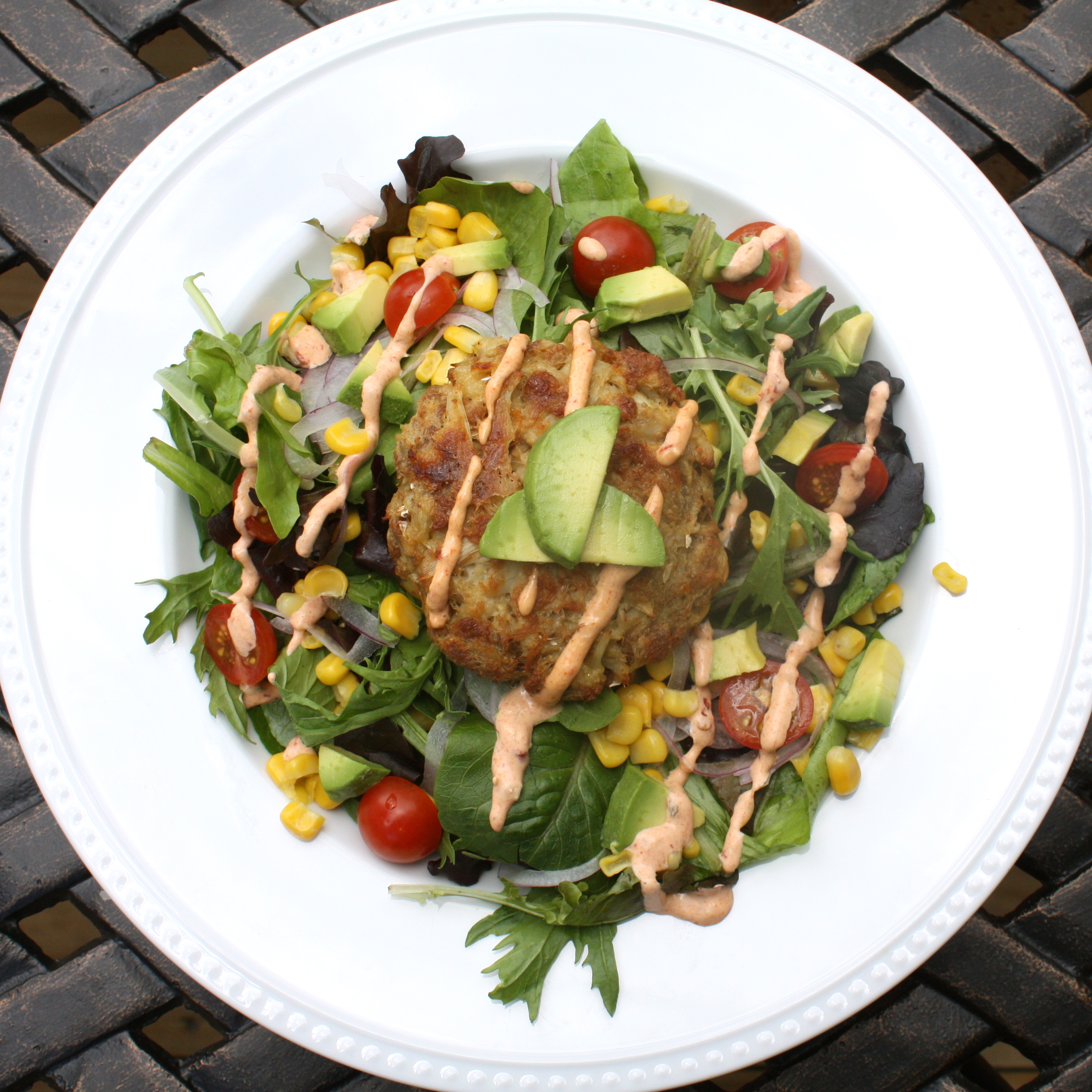
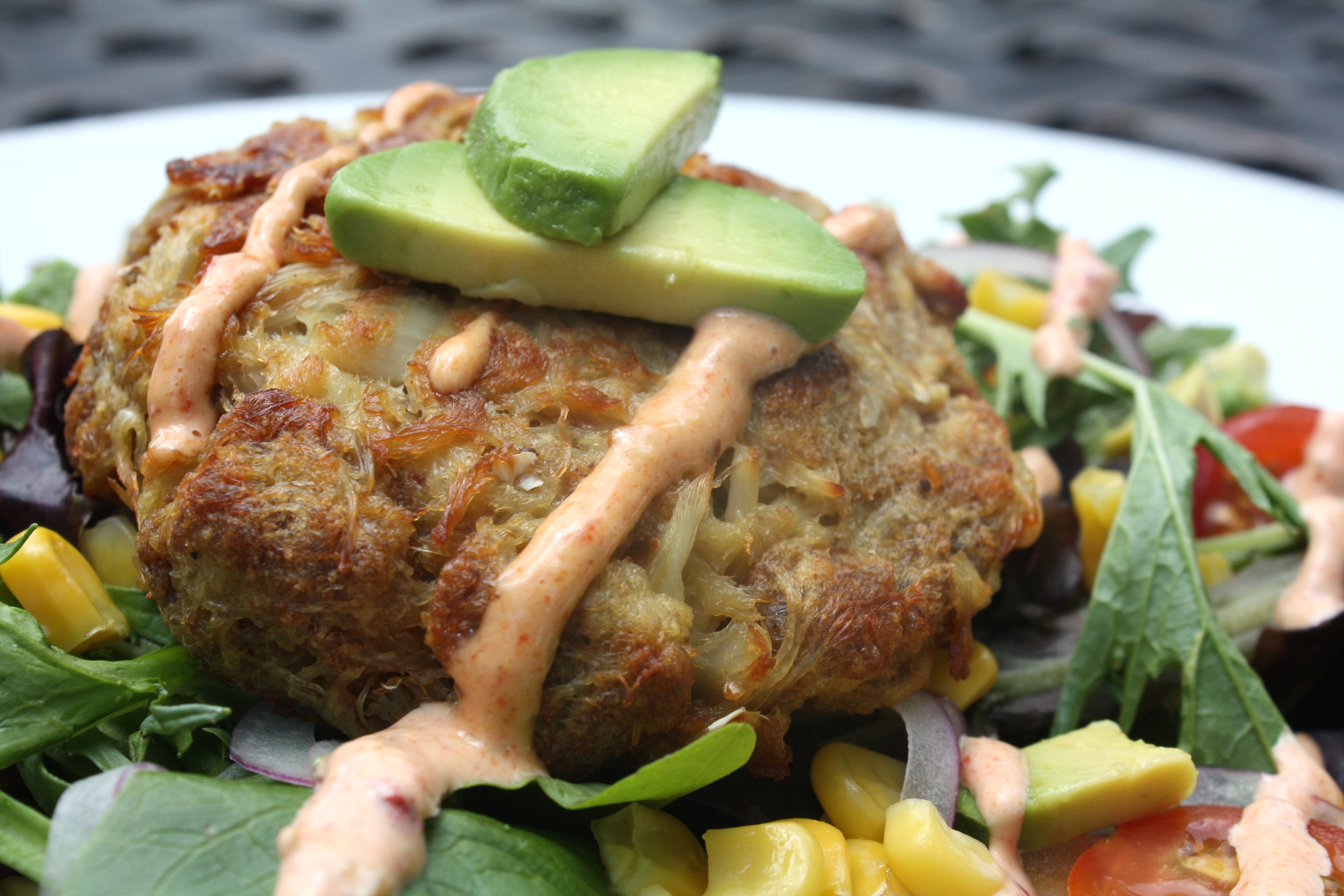
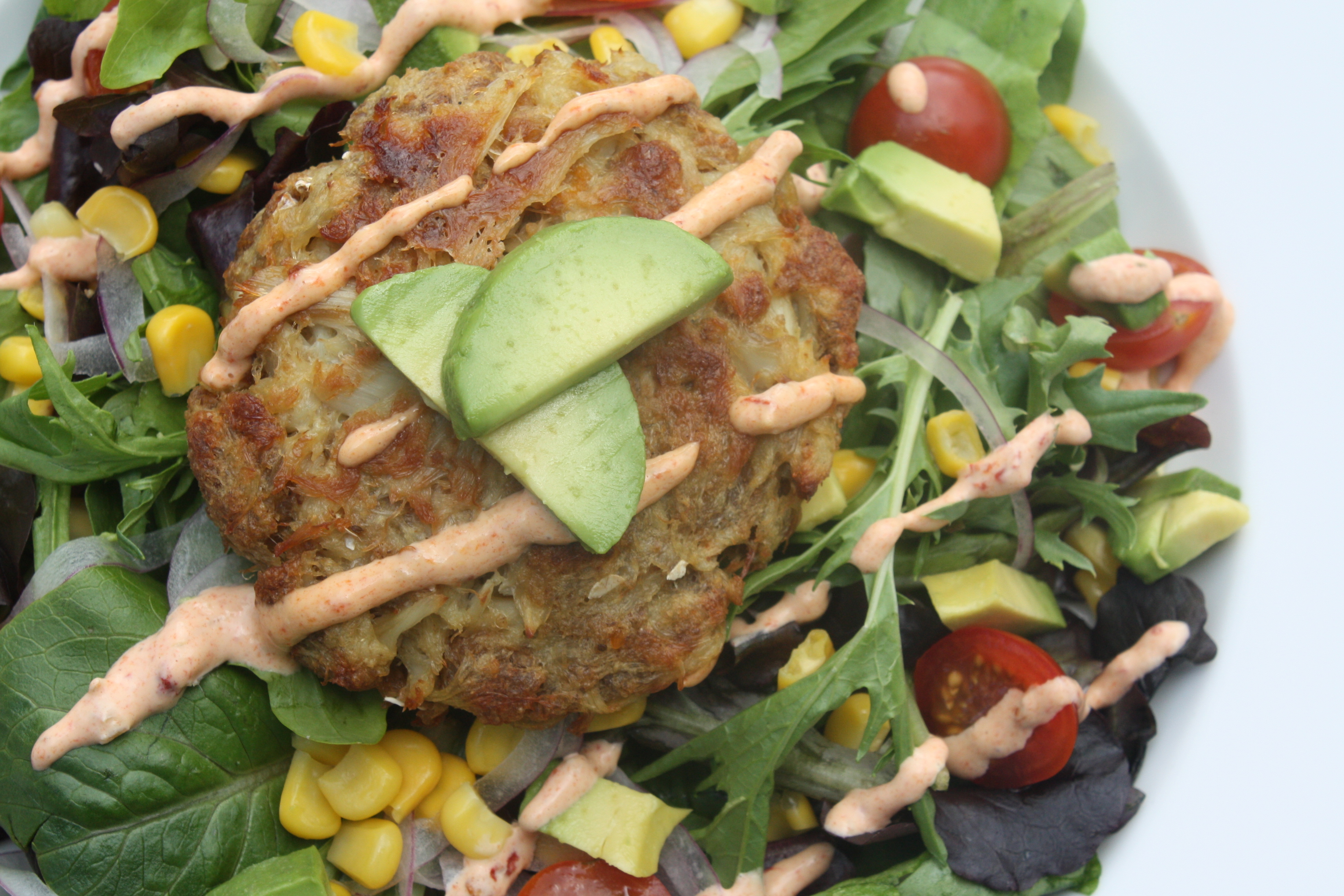
I’m more of a Lucas when it comes to the truth, which goes to say that you can believe me when I tell you that this salad belongs on your list of must-make recipes for the summer. It’s a simple variation of one of my older recipes (Chilled Avocado Soup and Crab Cake with Chipotle Remoulade). In this variation, a simple broiled crab cake, loaded with crab meat and just enough filler to hold it together, is set atop a salad of mixed greens, ripe avocado, sweet corn, and summer tomatoes. A drizzle of spicy chipotle remoulade dressing completes the dish. This entree salad makes the perfect light, but satisfying summer dish. Crab, avocado, tomatoes, corn, and chipotle pepper…honestly, summer heaven.

Crab Cake Summer Salad with Chipotle Remoulade Dressing

Ingredients

For the Crab Cakes

  • 1/2 cup bread crumbs (regular or whole wheat)
  • 2 eggs
  • 2 tablespoons mayonaisse
  • 2 teaspoons Creole seasoning, such as Old Bay
  • 1 teaspoon garlic, minced
  • 1 teaspoon dijon mustard
  • 1 pound jumbo lump or backfin crab meat, cooked*

For the Dressing

  • 1/2 cup mayonaisse
  • 1 chipotle pepper (from a can of chipotles in adobo)
  • 1 teaspoon dijon mustard
  • 1 tablespoon sweet relish

For the Salad

  • 8 cups mixed spring greens
  • 1 ripe avocado, peeled and chopped**
  • 1 cup cherry tomatoes, halved
  • 1/2 red onion, thinly shaved
  • 1 cup sweet corn kernels

* Look for fresh-picked crabmeat in the seafood section of your grocery store. It’s a fresher alternative than canned crabmeat and a heck of a lot more convenient than picking your own crab meat!

** Click HERE for my photo guide on how to slice an avocado.

Directions

For the Crab Cakes: Preheat broiler. Wipe a baking sheet with a bit of olive or vegetable oil (to prevent sticking.) Combine all ingredients, except the crab meat, in a bowl. Mix until well blended. Gently fold the crab meat into the other ingredients, taking care not to break up the chunks too much. Use your hands to form four equal sized balls of the crab mixture. Gently flatten the balls into thick patties and place on the prepared baking sheet. Place the baking sheet several inches under the broiler and cook for about 10 minutes until completely heated through.

For the Dressing: Combine mayo, chipotle, relish, and mustard in a blender or food processor.  Blend until smooth. Taste and adjust seasoning, if desired. Refrigerate until ready to use.

To Assemble the Salad: Arrange about 2 cups of mixed greens on each plate. Scatter with the avocado, tomatoes, corn, and red onions. Place a warm crab cake in the center. Drizzle with the dressing.

Makes 4 Salads

Watermelon Tomato Summer Salad

Posted on

I’m beginning to feel like I’m being set up to play the role of the little old lady who swallowed a fly. I live in a quiet suburban neighborhood outside of Syracuse, NY. It’s a peaceful neighborhood, filled with big, old trees; trees with stature and history. But it’s not a wooded area, by far. It’s neither city, nor country. Just a nice, old suburban neighborhood.

And as in many suburban neighborhoods, we have the occasional sightings of small woodland creatures; squirrels, chipmunks, an infrequent rabbit…nothing too unusual. Every so often, we have the pleasure of spotting a befuddled deer standing in the middle of the road, before it gallops off to find its family. But lately, these sightings are becoming more common and increasingly bizarre. Deer seem to be everywhere these days. (One of them even charged my husband’s car the other night.) And I’ve yet to figure out the large crane-like bird I spotted standing beside the small creek which runs behind my local Target.

Since our yard is fully fenced, animal sightings (aside from our own labrasaurus rex) on our property were once rare. Lately however, it’s a practical wild kingdom out there. Our perimeters have been breached. We are now the proud step-parents of a sweet brown bunny with a fluffy white tail, an orange mouse-catching tabby cat, at least one chipmunk, and a woodchuck…all of whom visit on a regular rotating basis whenever the kids or dog are not occupying the yard. Just this morning, I watched as the tabby cat (sans mouse) took his patrolling position atop the fence, much to the dismay of the woodchuck who was leisurely roaming the yard. It’s like my very own menagerie out there. Anyone know what woodchucks eat?

She swallowed the deer to catch the woodchuck. She swallowed the woodchuck to catch the crane. She swallowed the crane to catch the cat. She swallowed the cat to catch the mouse. She swallowed the mouse to catch the fly… I don’t know why she swallowed the fly. Perhaps she’ll die.

I don’t think I like where this is all headed.

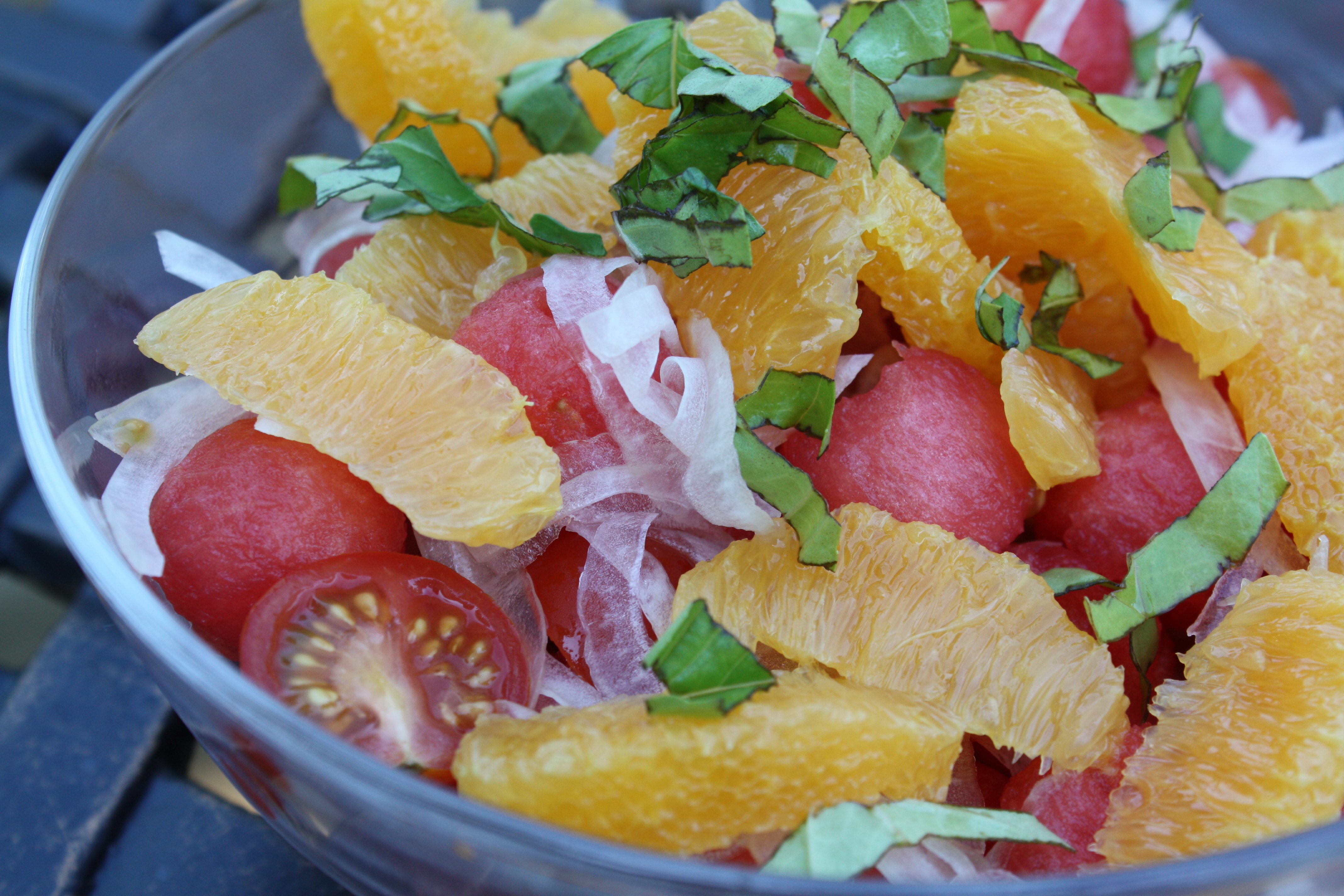
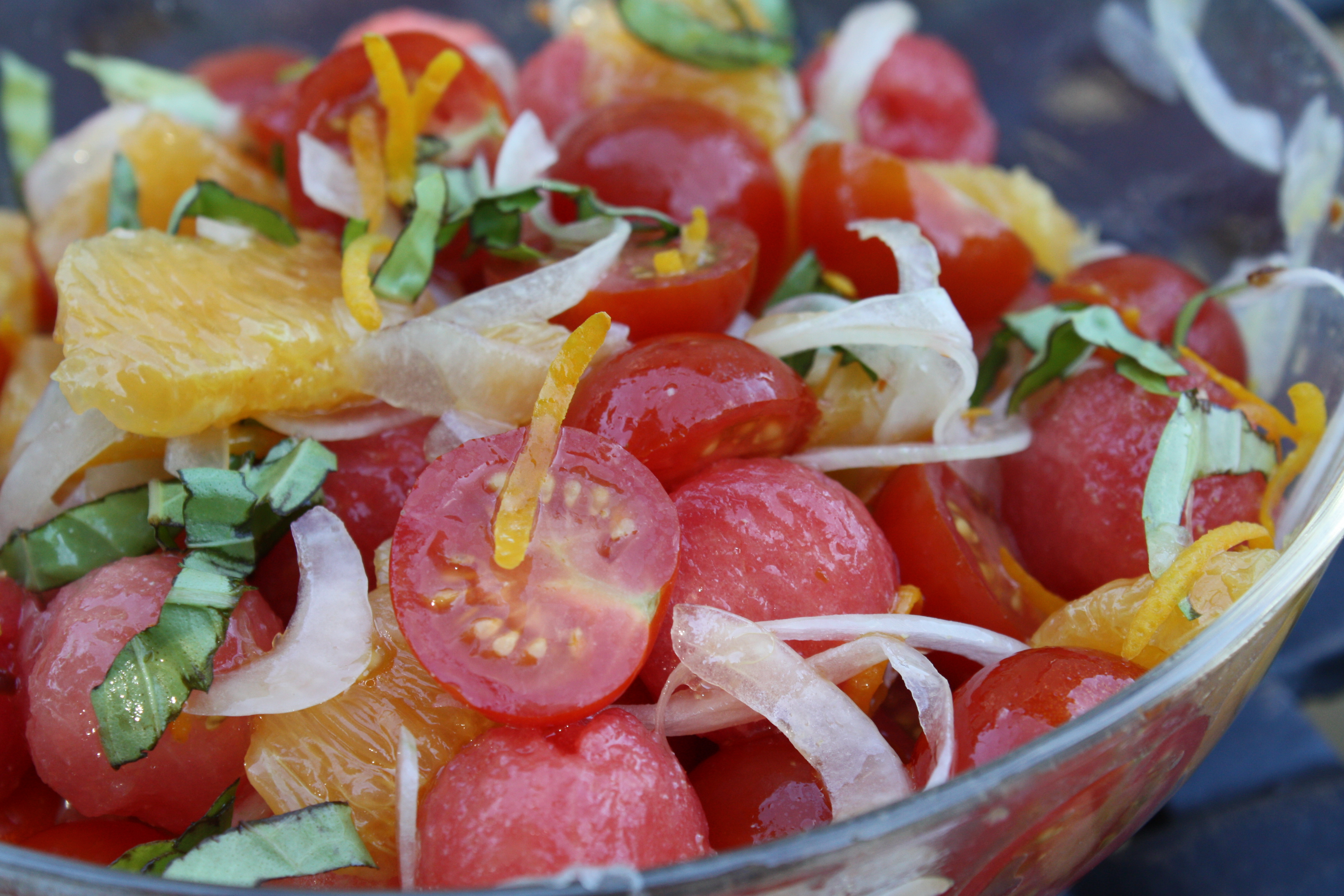
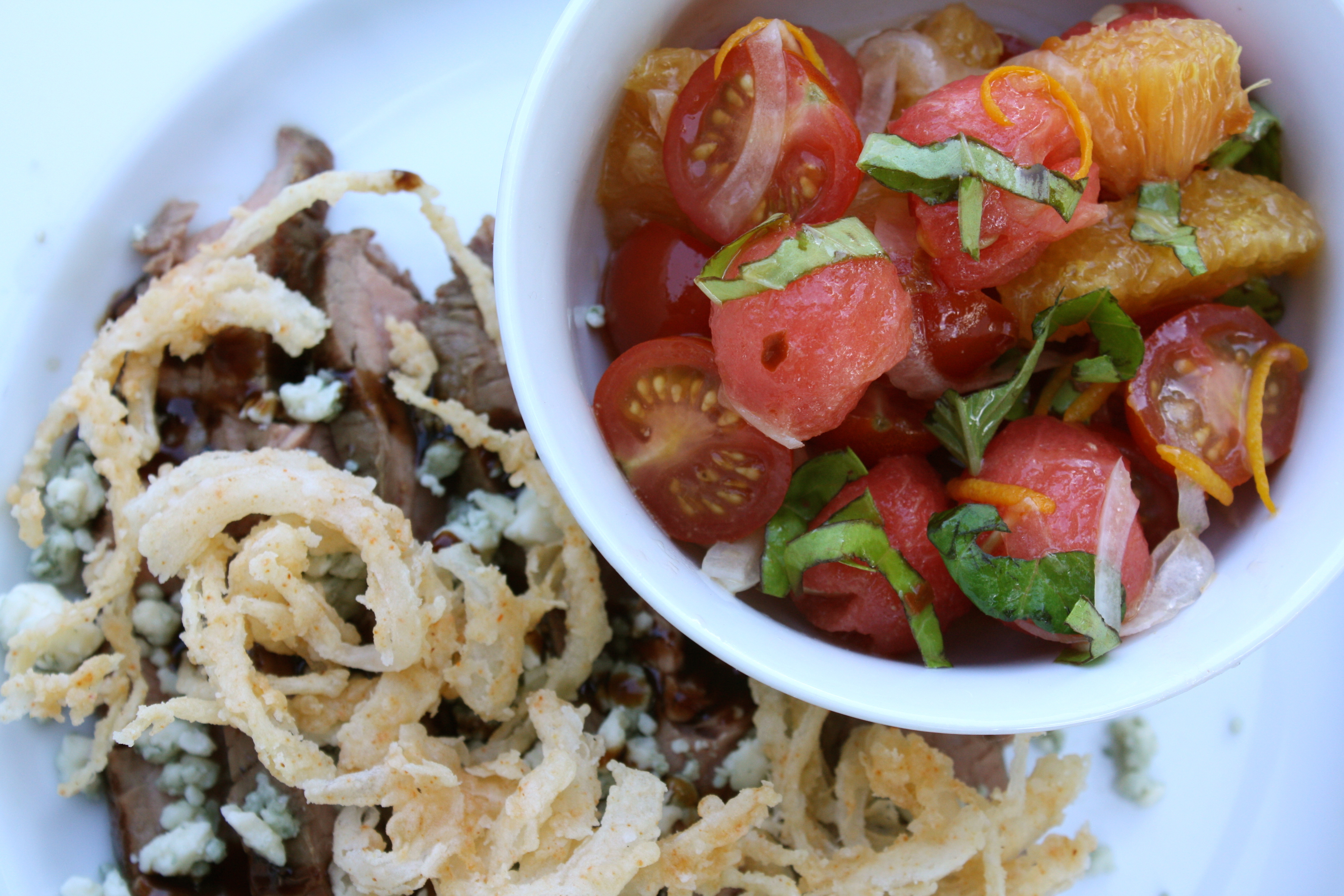
But it’s no wonder my neighborhood is being taken over by the wild. It’s been absolutely gorgeous out there. Gone are the winter coats and gone are the days of heavy macaroni and cheeses, filling casseroles, and slow-cooked roasts. This is the time for simple grilled foods and light, refreshing side dishes, like this watermelon and tomato salad. This salad just screams summer to me. Sweet watermelon and fresh orange segments are tossed with summer-ripe tomatoes in a light orange-dijon vinaigrette. It’s beautifully vibrant in both color and flavor!

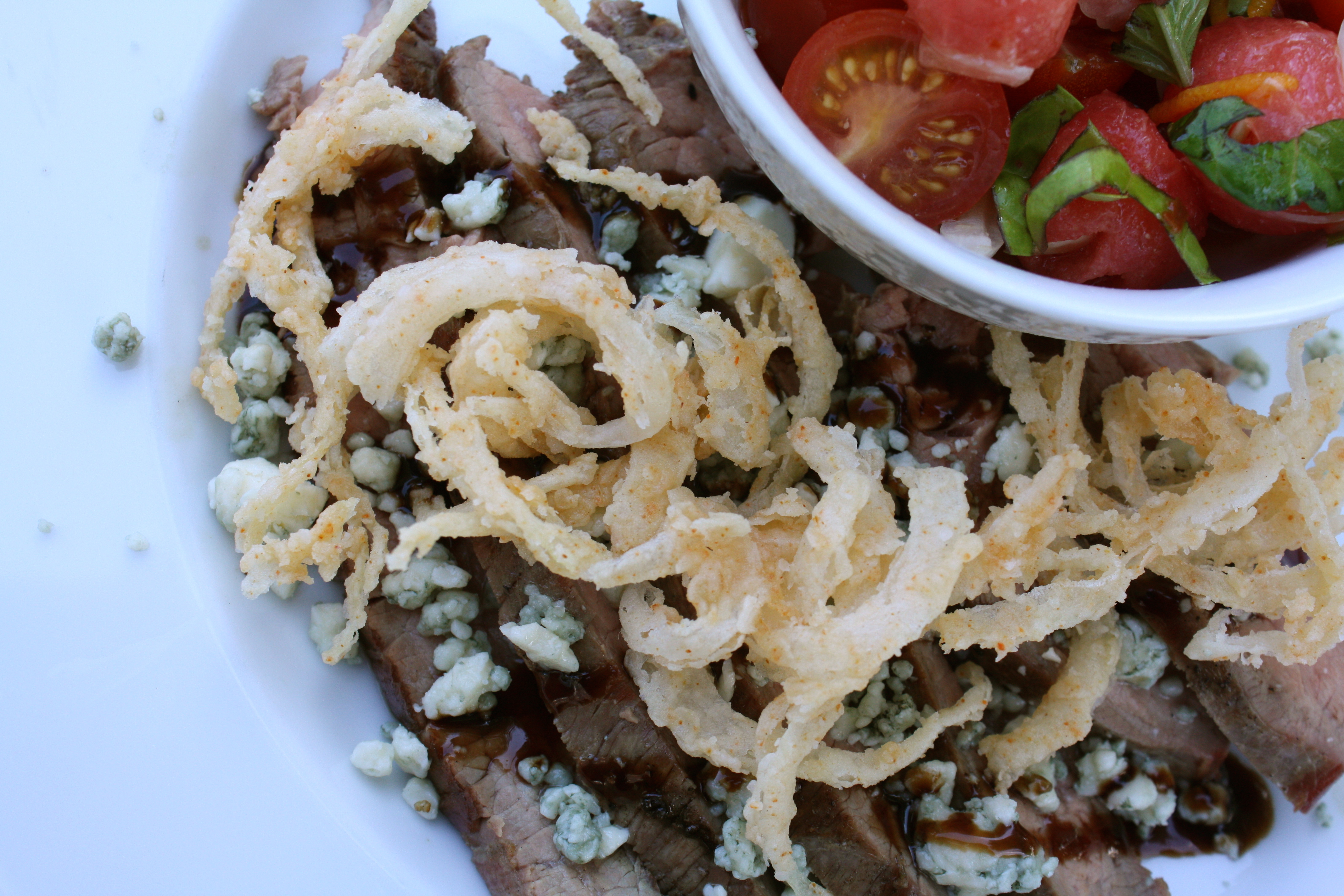
I served this summery salad as part of our Father’s Day dinner, aside slices of grilled flank steak, which I drizzled in balsamic reduction and topped with gorgonzola and homemade crispy onion straws. It’s a perfect meal to bring in the summer!

Watermelon-Tomato Summer Salad

Ingredients

  • 2 cups seedless watermelon, scooped into small balls
  • 1 cup cherry tomatoes, halved
  • 2 oranges, segmented*
  • 1/4 cup red onion, thinly shaved
  • 5-6 fresh basil leaves, chiffonade**
  • 1/4 cup orange juice
  • 1/8 cup olive oil
  • 1 tablespoon red wine vinegar
  • 1 teaspoon dijon mustard
  • 1 teaspoon orange zest (from one of the oranges)
  • Salt
  • Crushed red pepper
*Click HERE to see my photo guide on how to segment an orange.
**Click HERE to see my photo guide on how to chiffonade.

Directions

Combine the watermelon, cherry tomatoes, orange segments, red onion, and basil in a bowl. In a separate bowl, whisk together the orange juice, olive oil, red wine vinegar, mustard, and orange zest until well blended. Season with salt and crushed red pepper as desired. Pour the vinaigrette over the fruits and toss to combine. Serve chilled.

Christmas Feast Menu and Homemade Butter

Ever tried to get a good picture of three little boys, ages four and younger? Harder than herding cats. Enjoy a few of my favorite outtakes from our attempt at a Christmas card picture.

We’re two days from Christmas now and moving into full Santa mode. We’ve been hosting Christmas for as long as we’ve lived in this house, which was my husband’s grandmother’s house for 46 years, until we bought it and made it our home. Christmas has always been hosted in this house and nothing makes me happier than continuing that tradition.

But what we don’t have is a traditional Christmas dinner. Planning new menus is part of the fun for me. So, each year I like to mix things up with a little something different. This year, we’ll be entertaining sixteen of our dearest friends and family members for dinner.

At first I was thinking of serving roast rack of lamb with a cranberry horseradish sauce. But lamb is one of those foods that not everyone enjoys, so it didn’t seem like the wisest choice for such a large crowd. (I’m saving that idea for my New Year’s Eve dinner!)

I considered making the Braised Beef Short Ribs with Figs and Red Wine that I made for a dinner party a few months ago. It’s easy, delicious, and can be made a day ahead of time. But more than anything, the thought of hearing my guests singing, “Oh, bring us some figgy short ribs! Oh, bring us some figgy short ribs…” amused the heck out of me. Alas, my grocery store hasn’t been well-stocked with short ribs lately and I feared I wouldn’t be able to get enough.

Ultimately, I’ve decided to make Julia Child’s Beef Bourguignon. It’s widely enjoyed, can be fully made a day ahead of time, reheats like a dream, and is an affordable option for a such large crowd. And it can be eaten without steak knives, which is particularly convenient since I don’t own 16 steak knives.

On the side I’ll be serving poached pear and pomegranate endive ‘salads’, quiche Lorraine in a homemade all-butter crust, roasted asparagus, buttered egg noodles with fresh parsley, scalloped potatoes au gratin, garlic peas, cheddar garlic biscuits, and French bread.

With homemade butter.

Did I tell you about the lie I told on Thanksgiving? We had just sat down at the table to enjoy our feast. My guests were admiring the array of homemade goodies, including a from-scratch green bean casserole with homemade crispy onion straws on top. And that’s when the lie came bursting out of my mouth. I’m not even sure why I said it. But out it came, “I even made the butter!”

But I hadn’t made the butter. It was just a yellow stick of Wegmans brand butter. I retracted my statement before I’d even finished it. But, I have in fact made butter in the past, back in the day when I taught preschool. It was an annual part of our classroom Thanksgiving feast. It’s simple as can be and a fun task for little helpers.  And so, to make up for my Thanksgiving lie, we’re making homemade butter for our Christmas dinner.

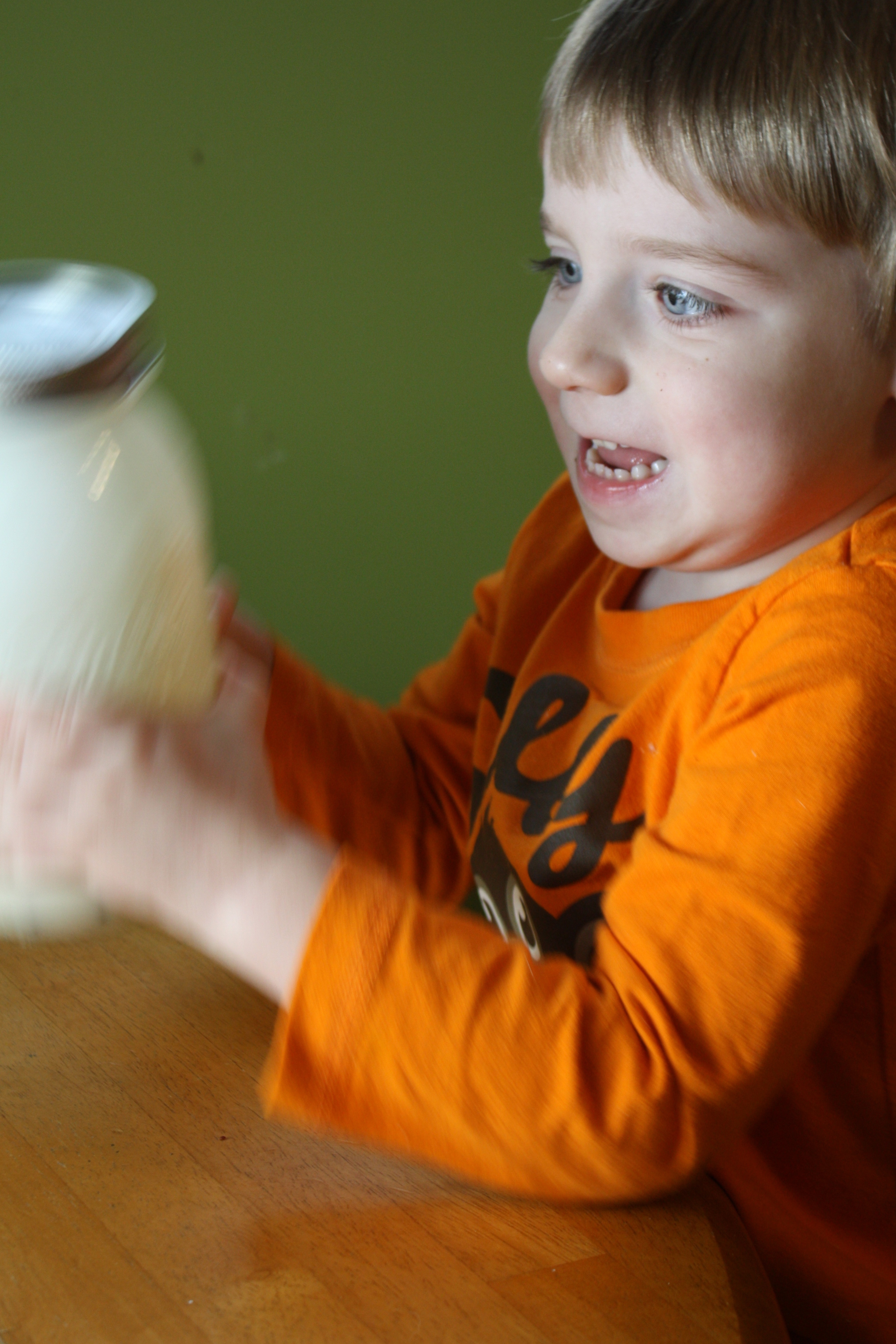
What you’ll need is a container with a tight-fitting lid (a mason jar works well), two clean marbles, 1 cup heavy cream, 1/8 teaspoon salt. Pour the cream into the jar. Add the salt and marbles. Then, shake, shake, shake.

Keep shaking.

Shake some more.

In about 7-10 minutes you should feel the cream thicken and the marbles will become silent. Keep shaking.

Shake it like a shake weight.

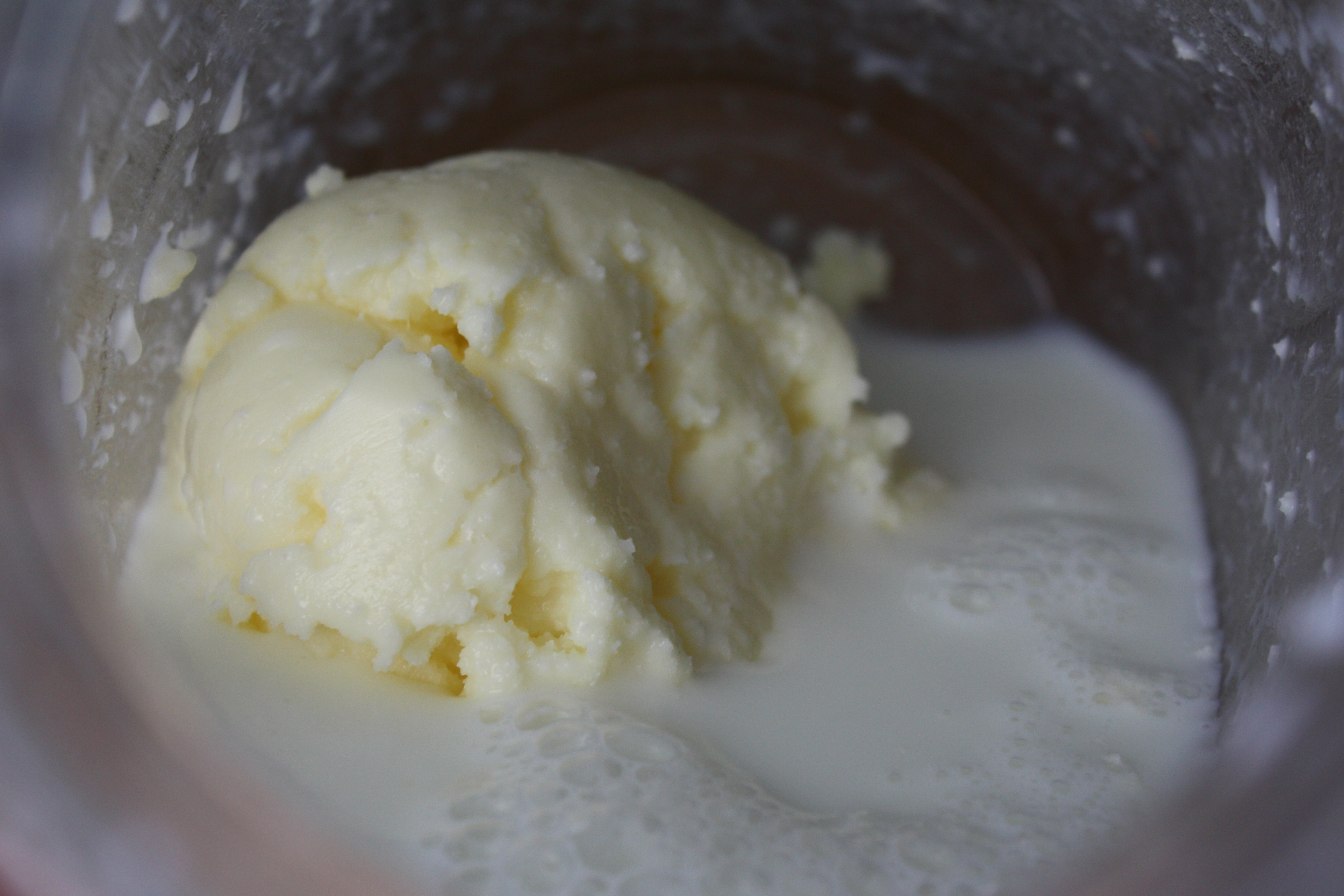
Pass the jar off to your guests if your arms get tired. After a few more minutes, the butter will separate from the buttermilk. It’s impossible to miss when this happens. Pour off the buttermilk (and save for other uses, if desired) and remove the marbles, if they’ve wedged themselves in the clump of butter.

Back in my preschool days, we stopped at that step and enjoyed our fresh butter on warm rolls. But, if you want your butter to last longer than a couple days, you’ll want to drain your butter of as much of the buttermilk as possible. To do this, cover the butter with ice cold water. Press the butter with a spoon to release some of the buttermilk. The water will become cloudy. Drain the water. Repeat this process until the water remains clear. Tightly wrap and refrigerate your butter.

Ok…I’m signing off until after Christmas. Time to put my Santa hat on. Wishing you and your loved ones the very merriest of days! And may all of your Christmas wishes come true!

Cider-Braised Turkey and Garlicky Creamed Spinach

You may recall that my recommendation for roasting the perfect Thanksgiving turkey is to roast it in parts, rather than as a whole bird. By roasting the breast separate from the drumsticks and thighs, you can cook each part to juicy perfection, rather than allowing the the breast to dry out while waiting for the legs and thighs to come up to temperature.

If desired, you can roast a few drumsticks and thighs alongside the breast, at the same temperature and with the same seasonings. Cooked separate from the breast, the drumsticks and thighs will cook more quickly (in about the same time as the breast). Use an instant read meat thermometer to test for doneness, since cooking time will vary based on weight and your oven’s exact temperature. Aim for 160-165 degrees for the breast and 170-175 degrees for the thighs and drumsticks.

Or for a little something different, try braising the dark meat using this very simple, very flavorful preparation. The meat will become fall-off-the-bone tender and you’ll have a delicious, ready-made sauce to serve along with it! You can even braise the parts the day before and reheat on the stovetop at a gentle simmer when you’re ready to serve (though the skin will lose some crispiness with reheating).

Give it a try! I think you’ll like it!

And you can click back to HERE to see last year’s post on how to roast a turkey breast.

Bacon and Cider Braised Turkey

Ingredients

  • 8 slices bacon, chopped
  • 2 turkey thighs, skin-0n, bone-in
  • 2 turkey drumsticks, skin-on, bone-in
  • 3 tablespoons flour
  • 1 cup apple cider
  • 2-3 cups chicken broth
  • Salt and pepper

Directions

Preheat oven to 350 degrees. Pat the thighs and drumsticks dry with a paper towel. Season with salt and pepper. Sprinkle the flour over the thighs and drumsticks. In a large dutch oven pan, cook bacon over medium/medium-high heat until crispy. Use a slotted spoon to remove the bacon, leaving the bacon drippings in the pan. Place the thighs and drumsticks in the pan in a single layer, skin side down. Cook for 4-5 minutes, until the skin is nicely browned. Then flip the pieces and cook for about three minutes on the other side. Pour the cider and chicken broth over the chicken. (The liquids should come about halfway up the sides of the turkey, leaving the browned skin exposed.) Return the bacon to the pan. Cover and place on the middle oven rack. Allow to cook for 90 minutes, undisturbed. Then, remove the cover and allow it to cook for 30 minutes more (to crisp up the skin and allow the sauce to reduce). Remove from the oven. Remove the turkey pieces and place on a platter. Pour the sauce into a measuring cup and allow it to cool for a few minutes. As it cools, the excess fat will rise to the surface. Use a spoon to remove the excess fat. Then, taste the sauce and adjust the seasoning with salt and pepper, as desired.

Serves 4

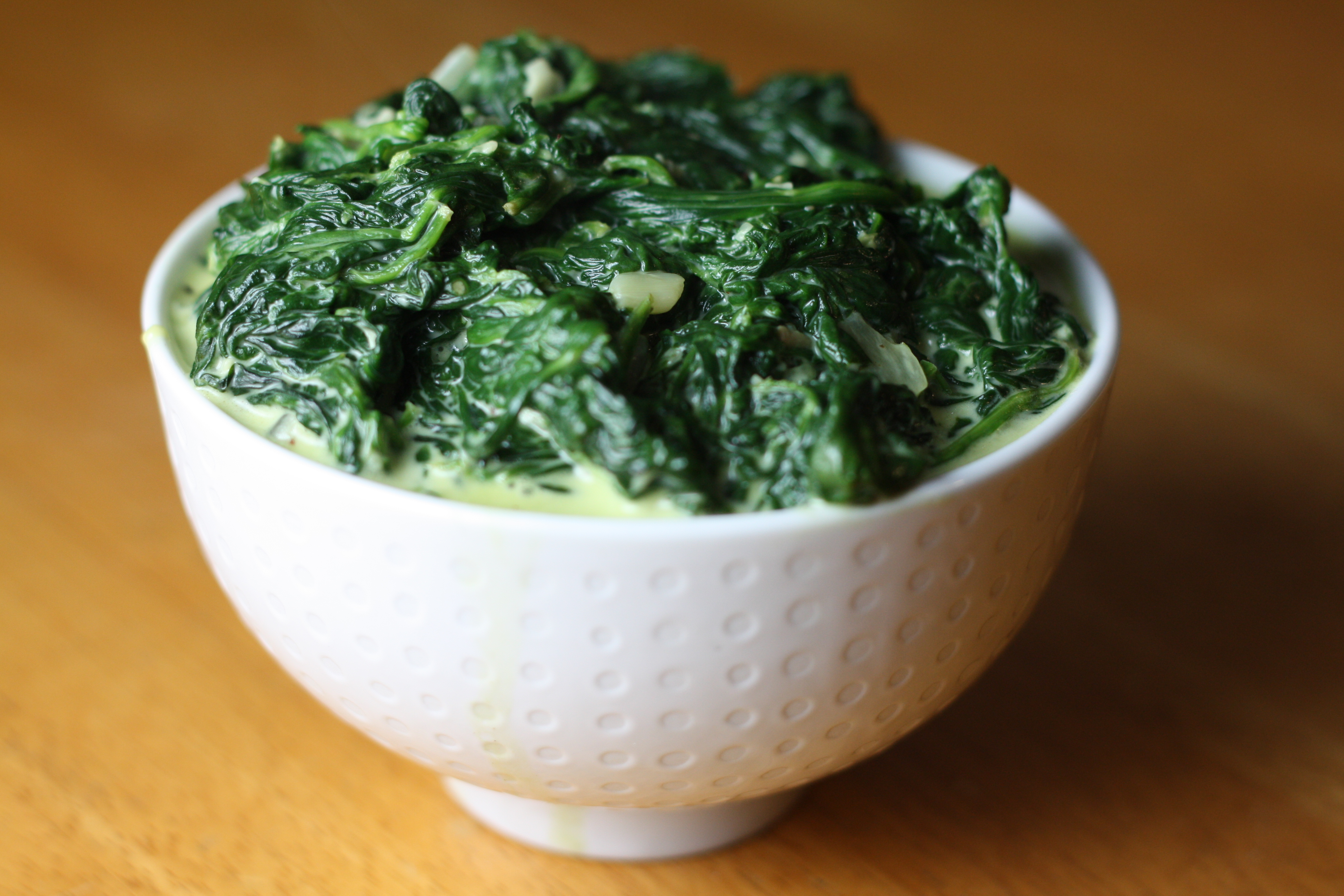
Garlicky Creamed Spinach

Ingredients

  • 2 tablespoons butter
  • 4 cloves garlic, minced
  • 2 shallots, finely diced
  • 1 pound baby spinach leaves
  • 1/3 cup heavy cream
  • 1/4 cup parmesan cheese, grated
  • Salt (about 1/4 teaspoon)
  • Pinch of nutmeg
  • Ground black pepper

Directions

Melt the butter in a large saucepan over medium heat. Add the garlic and shallots. Cook for 2-3 minutes. Add the spinach to the pan. (It will look like a tremendous quantity of spinach. Don’t worry…it will drastically shrink as it wilts.) Cook for a few minutes, stirring frequently, until all of the spinach has wilted. Add the heavy cream, parmesan cheese, salt, nutmeg and pepper. Bring to a simmer and allow it to cook, uncovered, for about 10 minutes, until the liquid reduces by at least half. Allow to cool slightly before serving, which will help the cream to thicken up a bit.

Serves 4

How to Make an All-Butter Pie Crust

Making a homemade pie crust is not difficult to do. It just takes a few simple ingredients, carefully blended together to create a flakey, buttery crust to be proud of. And it really does make a difference!

The key to making a great pie crust is keeping the ingredients cool throughout the process. You want the butter to remain in solid form, dispersed in small pieces throughout the dough, so that when the dough is baked, the little bits of butter will melt between the flour, creating delicious flakey layers. To this end, work quickly and handle the dough as little as possible (so the butter doesn’t melt by the warmth of your hands). Start with very cold ingredients and refrigerate the prepared dough before using to allow the butter to chill before handling the dough any further. A cold work surface, such as a marble slab, is handy, but not necessary.

Some people prefer to use a food processor to make homemade dough, but it’s very easy to do by hand. The only special equipment needed is a simple plastic or metal pastry/dough blender.

This step-by-step guide will produce enough dough for two pie crusts (or one double-crusted pie). But while you’re at it, make a couple extra and freeze them for the next time you need a quick crust!

You will need:

  • 2 cups flour
  • 1/4 cup sugar
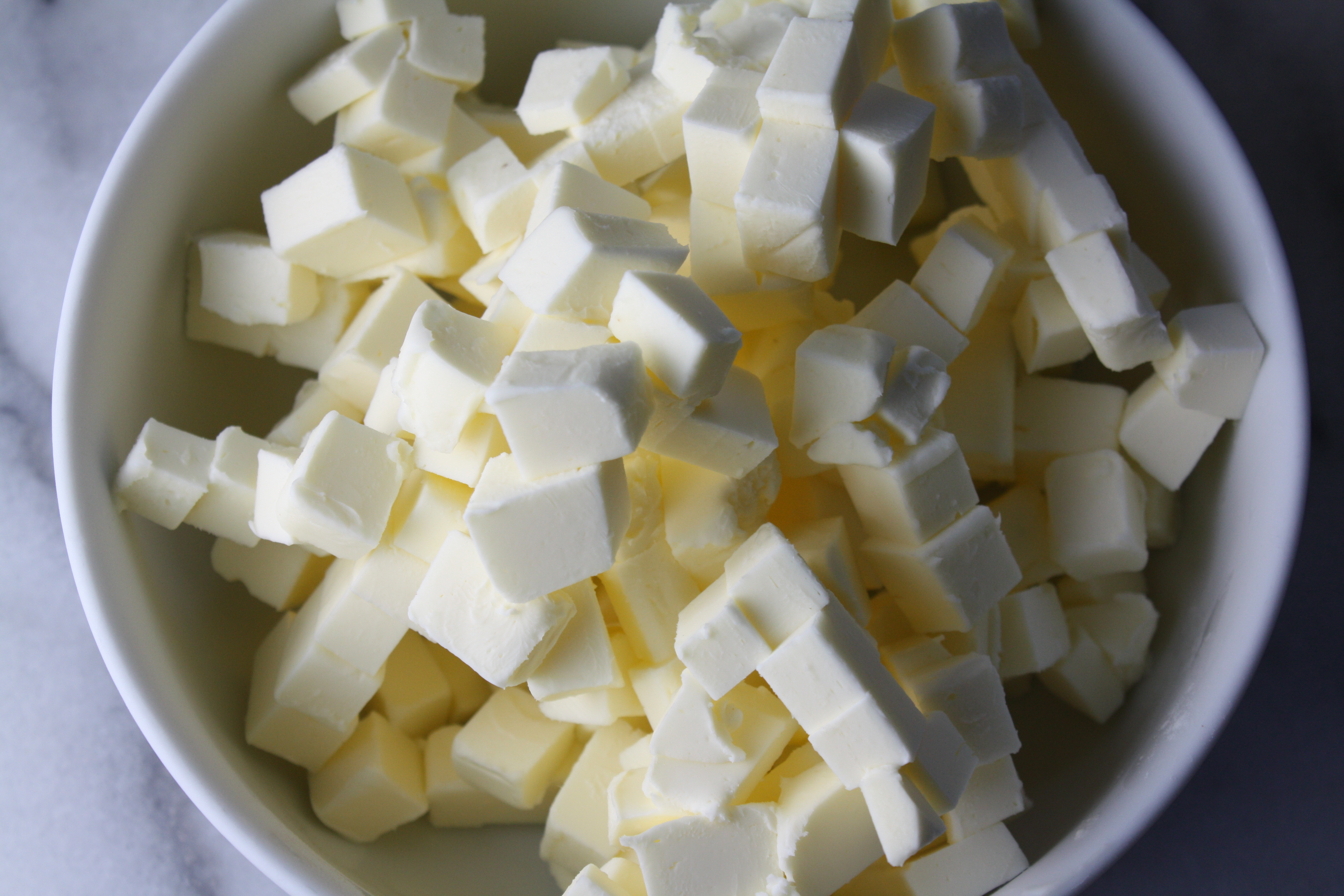
  • 1 cup (2 sticks) butter, cut into small cubes*
  • 1/2 cup ice cold water
  • Mixing bowl
  • Fork
  • A pastry blender/cutter
  • Rolling pin
  • Pie Pans(2)
*I use salted butter and skip the addition of extra salt. If desired, you can use unsalted butter and add a pinch of salt.

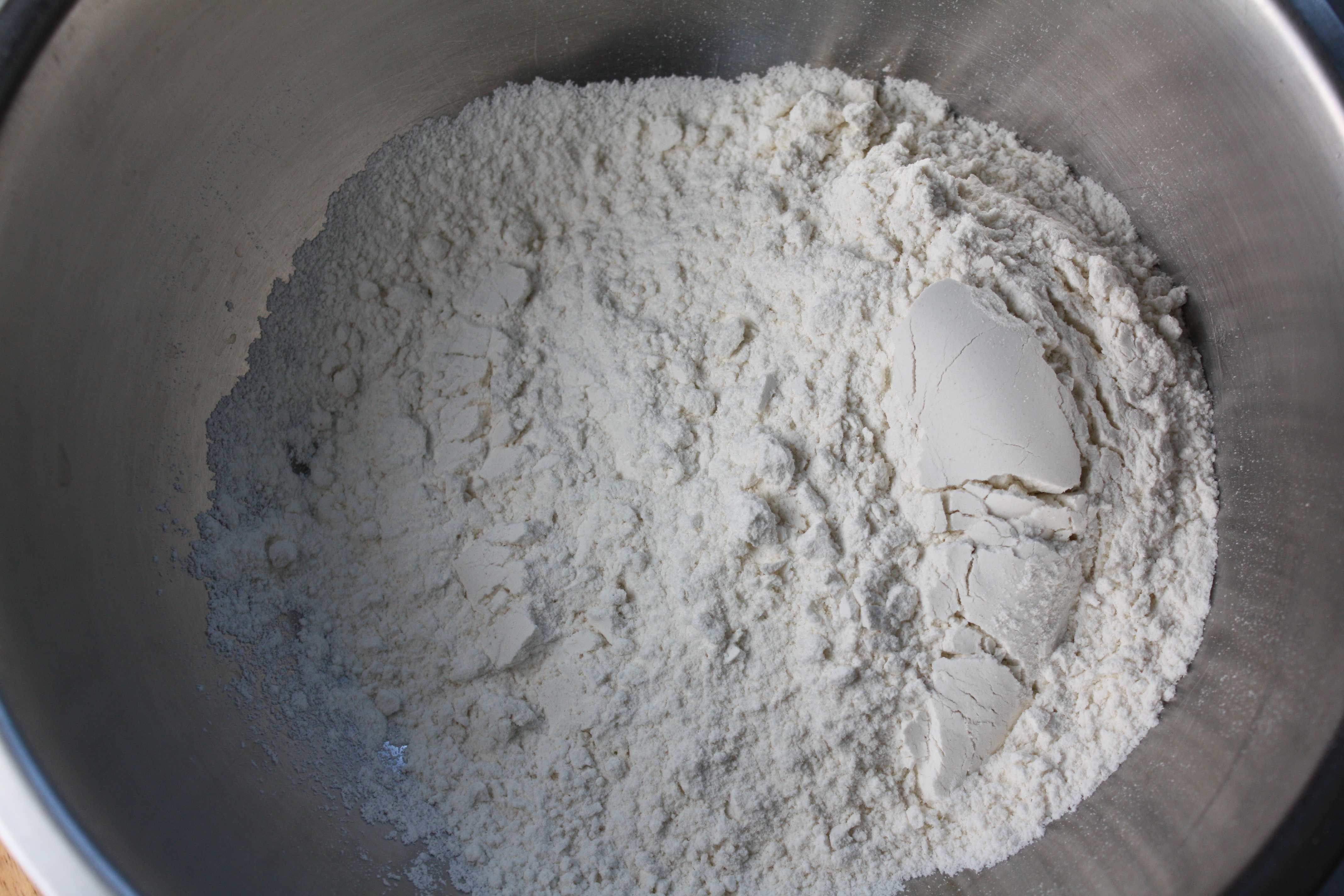
Pour 2 cups flour into a bowl.

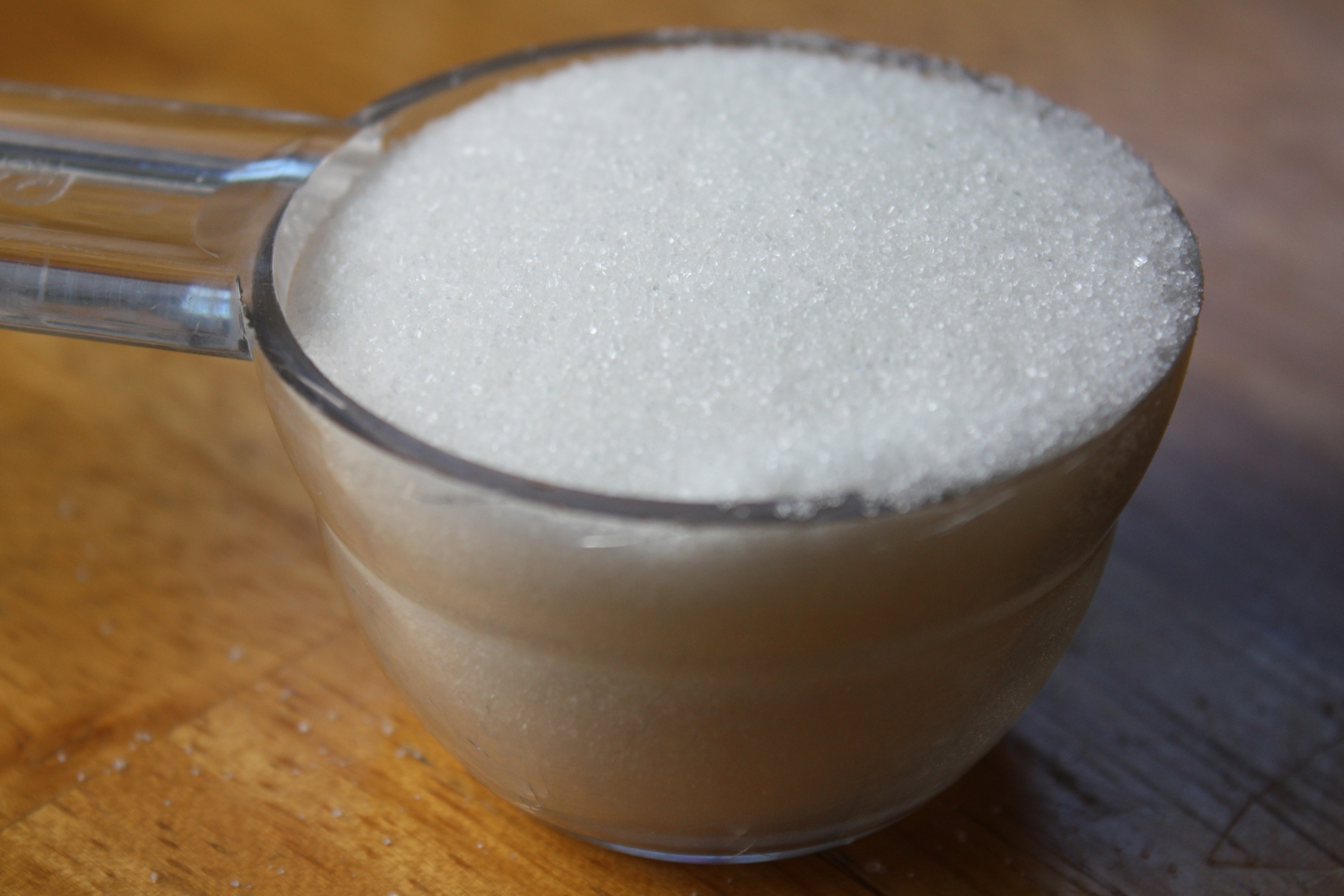
Add 1/4 cup sugar.

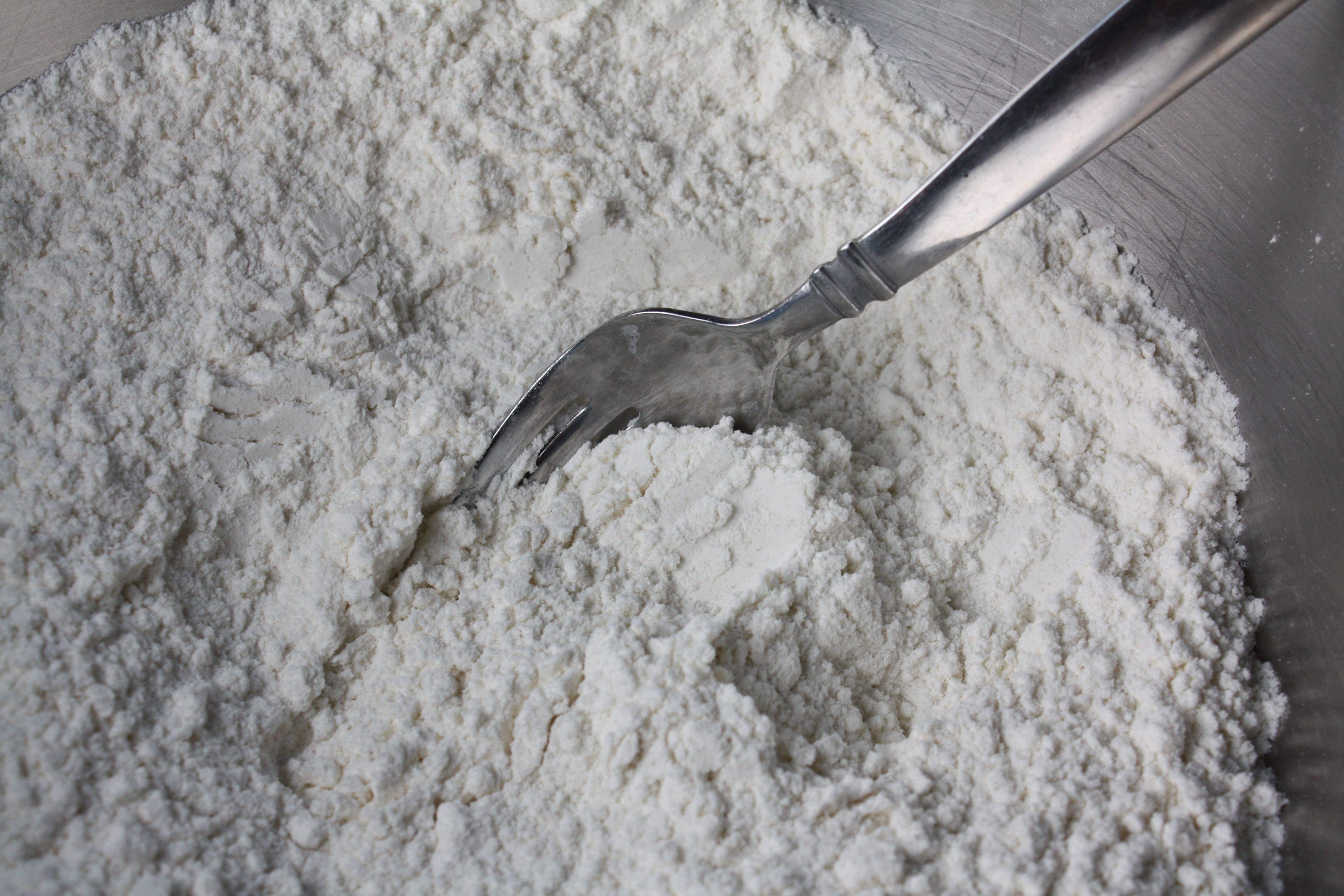
Use a fork to blend the flour and sugar.

Add 1 cup (2 sticks) very cold butter (cut into small pieces) to the flour mixture. (I place the butter into the freezer for just a few minutes after cutting it to ensure that it’s extra cold.)

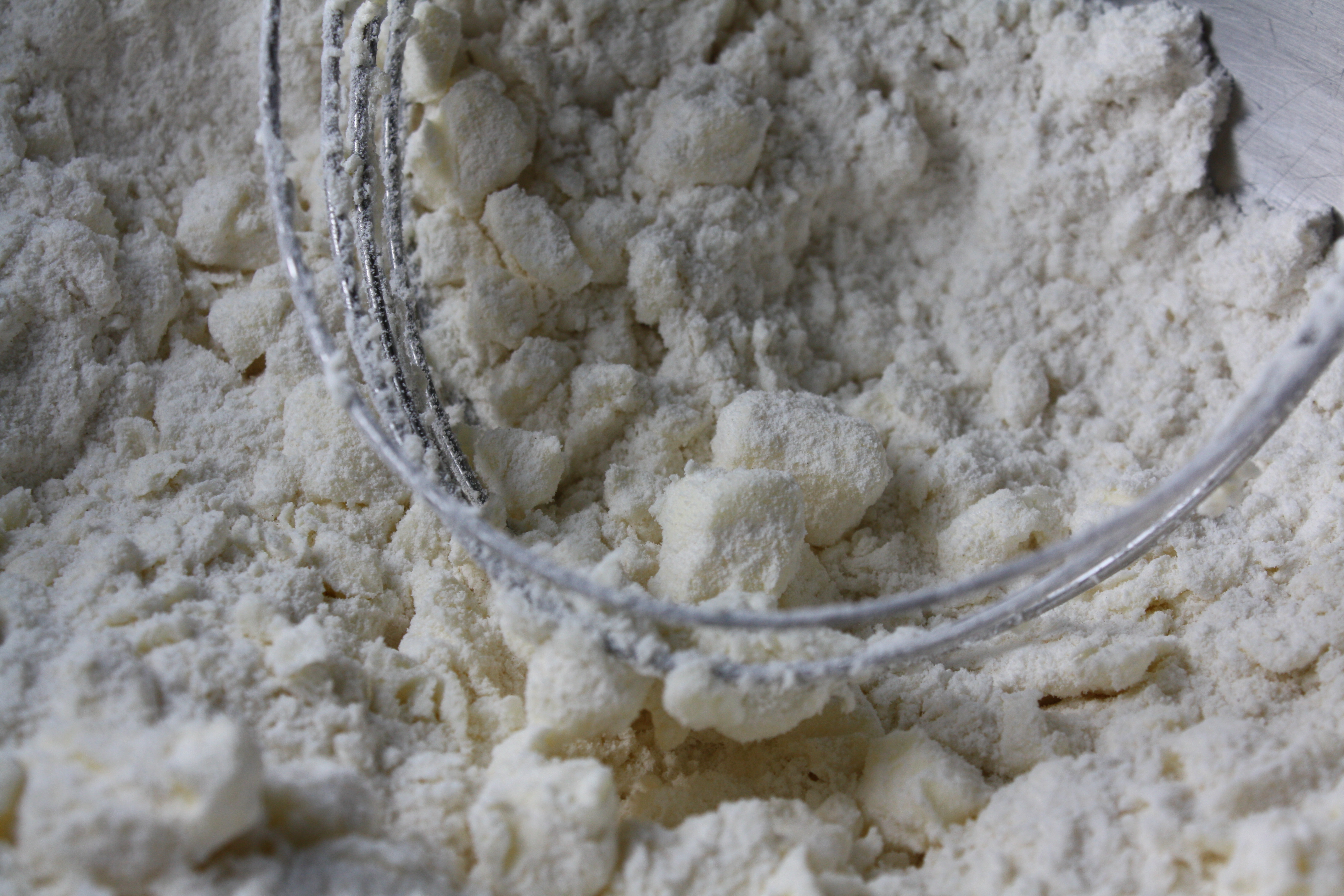
Use a pastry blender to cut the butter into the flour mixture, until the butter appears like flour-coated pea-sized pieces.

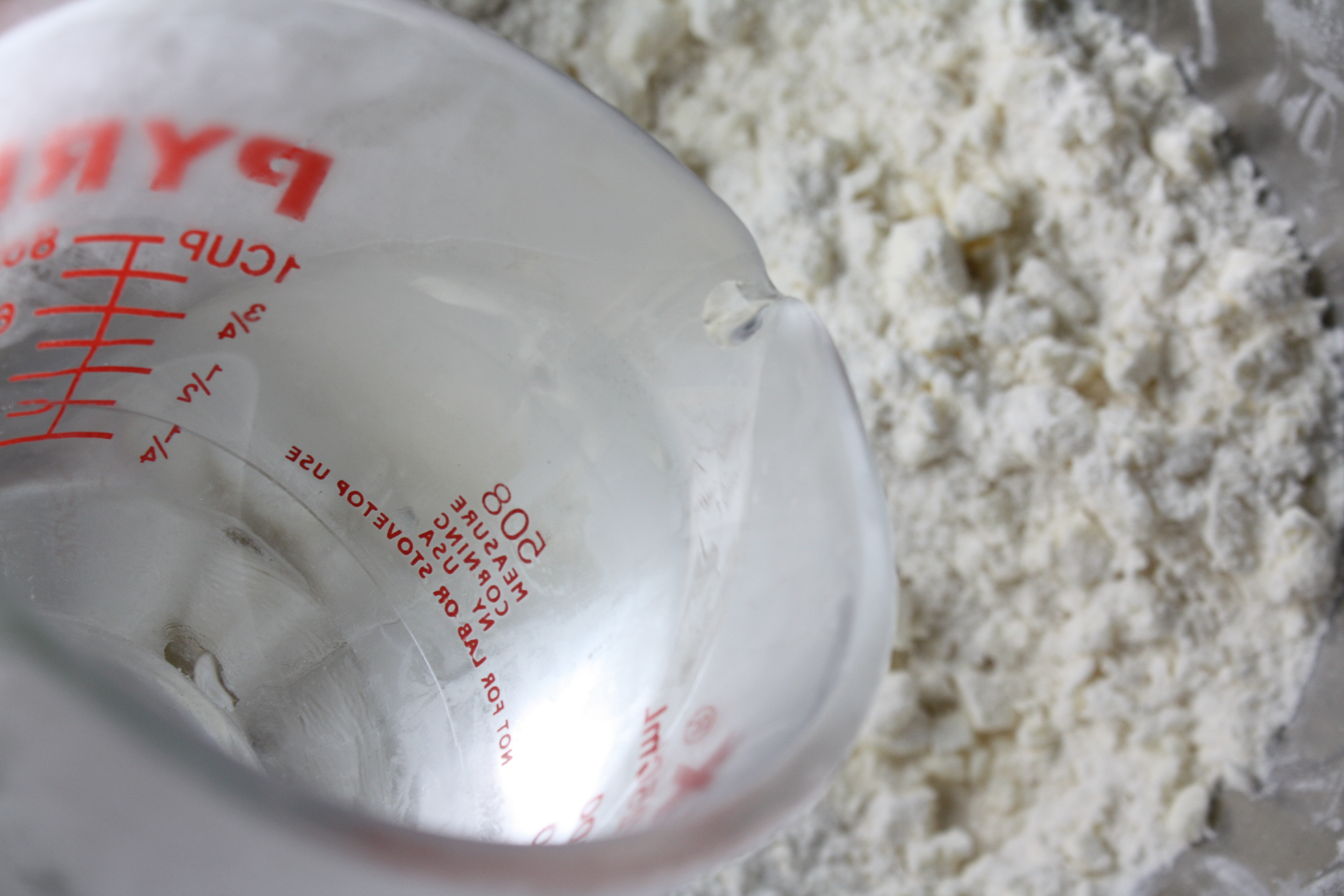
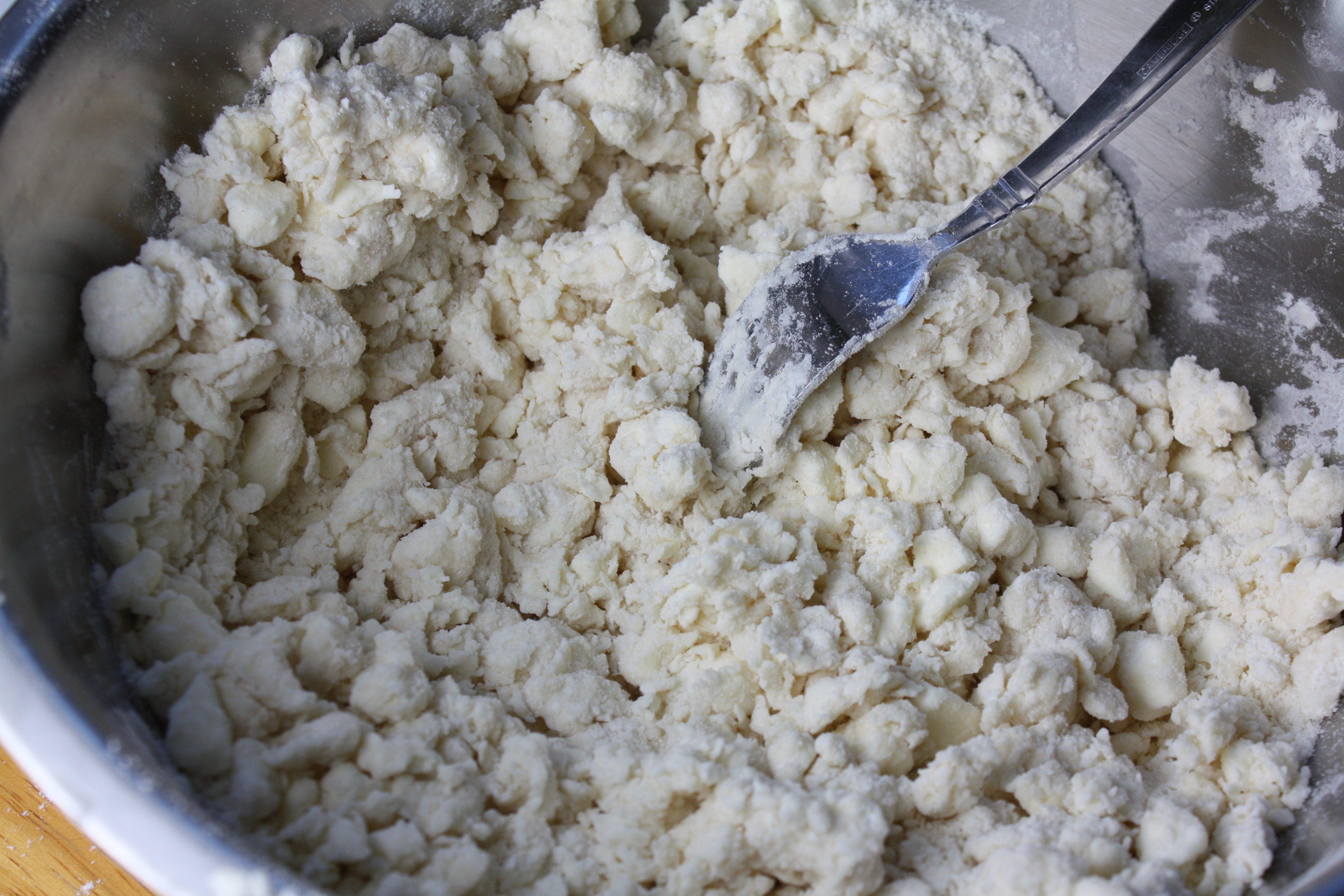
Gradually add the ice-cold water and stir with the fork until a loose dough begins to come together. You may need a little less or a little more than 1/2 cup.

You’ll know you’ve added enough water once the clumps of dough stick together when pressed.

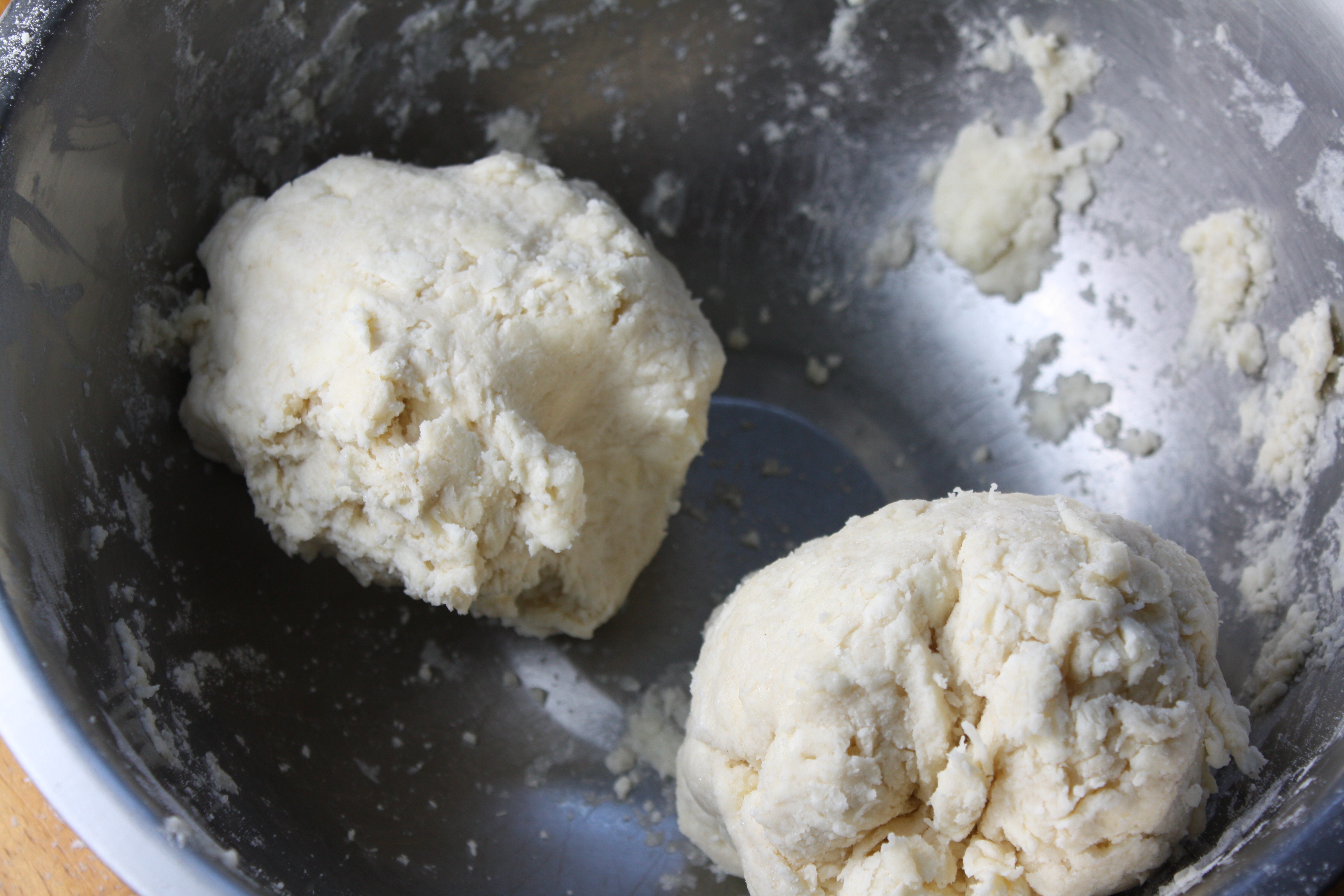
Use your hands to pull the dough together into a ball. Remember, handle the dough as little as possible during this step.

Split the dough into two balls.

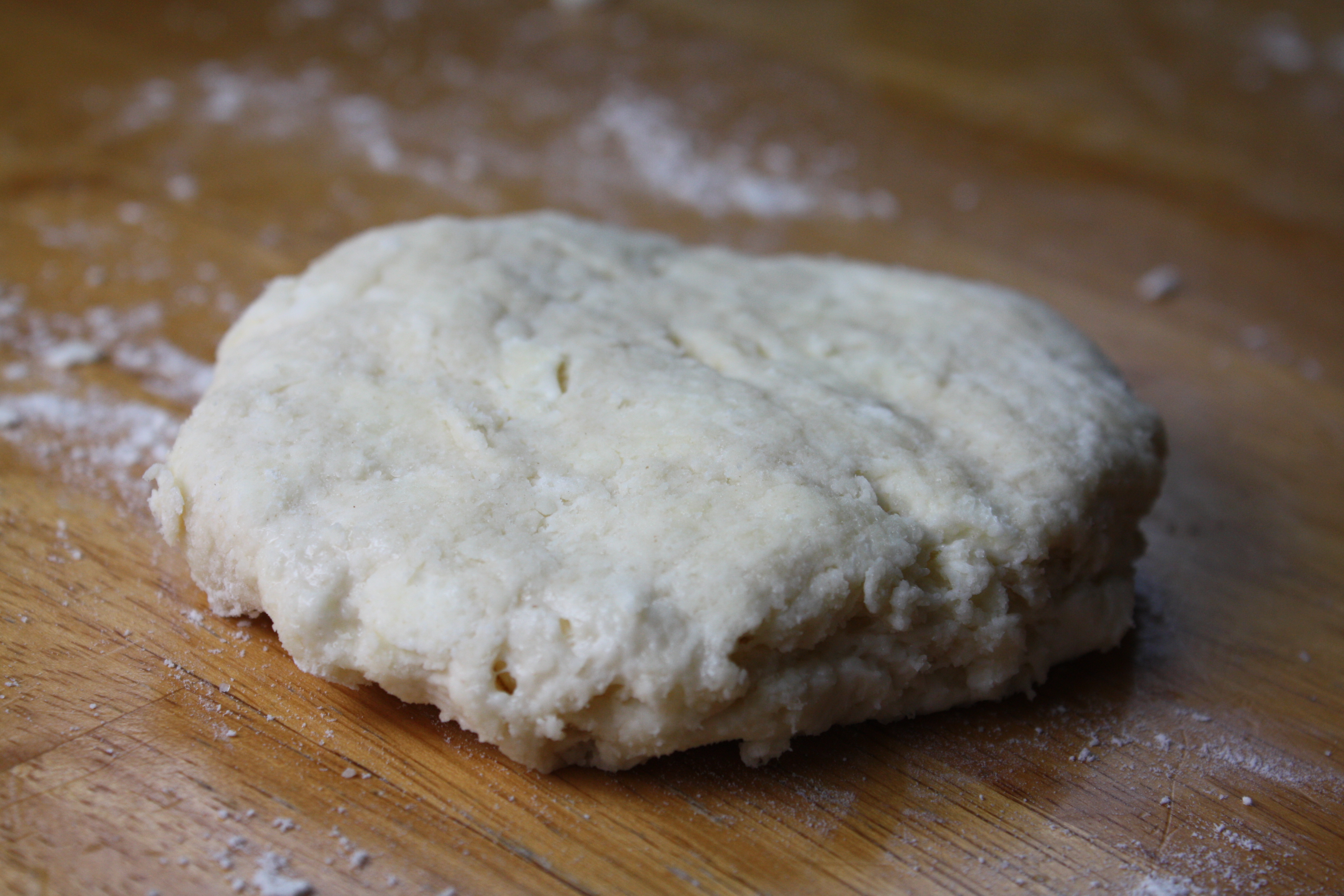
Flatten each ball into a disc-shape.

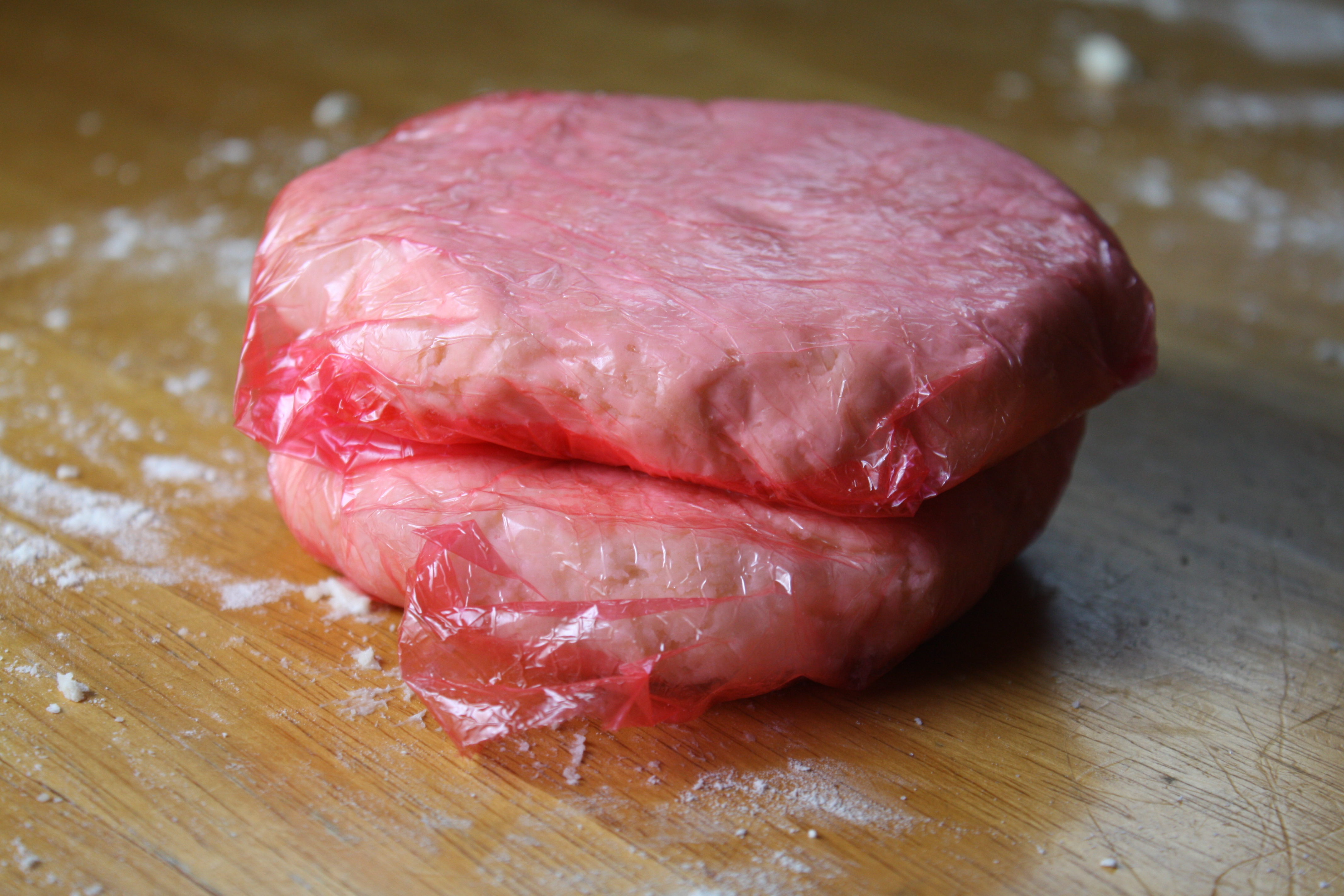
Wrap each disc in plastic wrap and refrigerate for 30 minutes to an hour, or overnight.

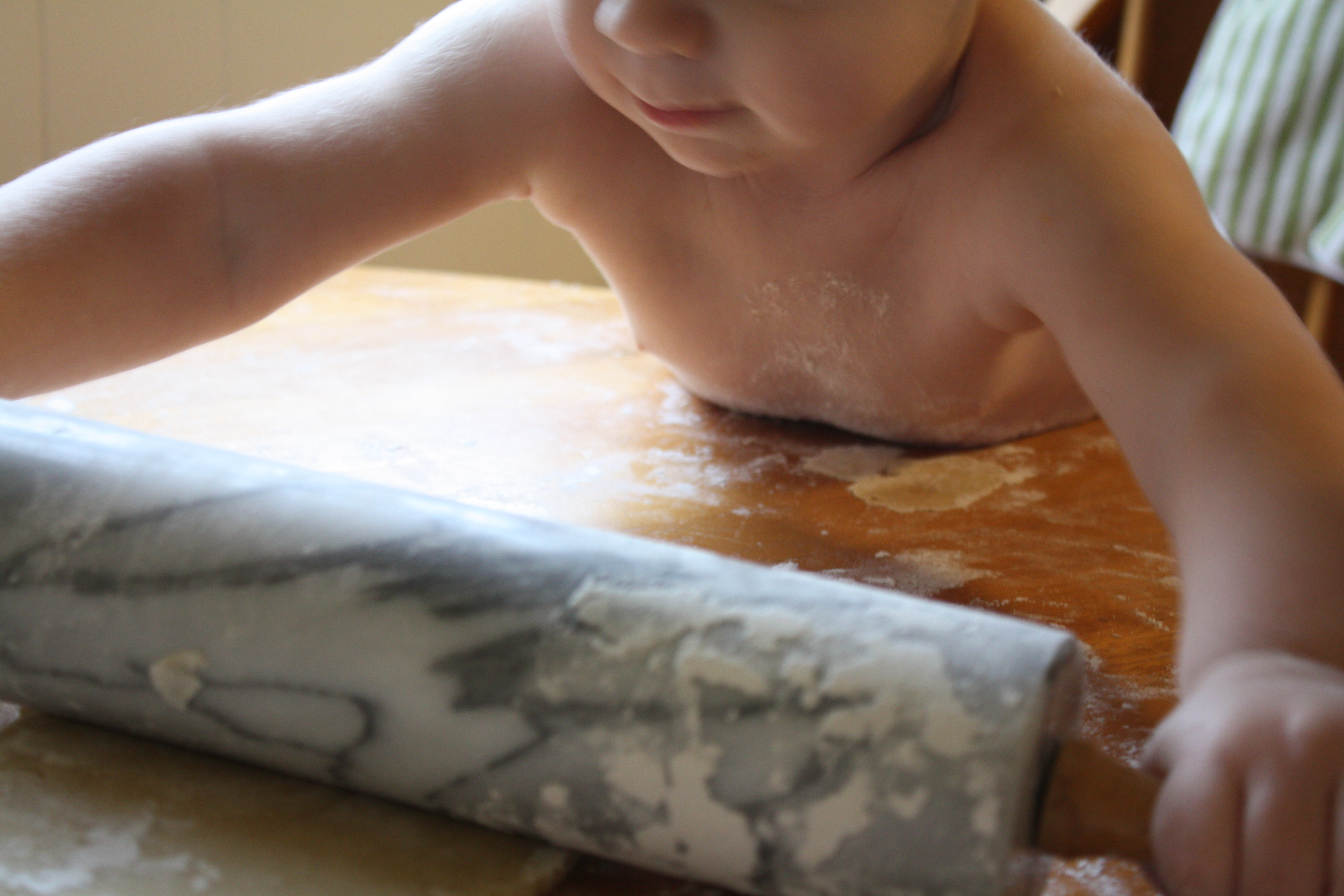
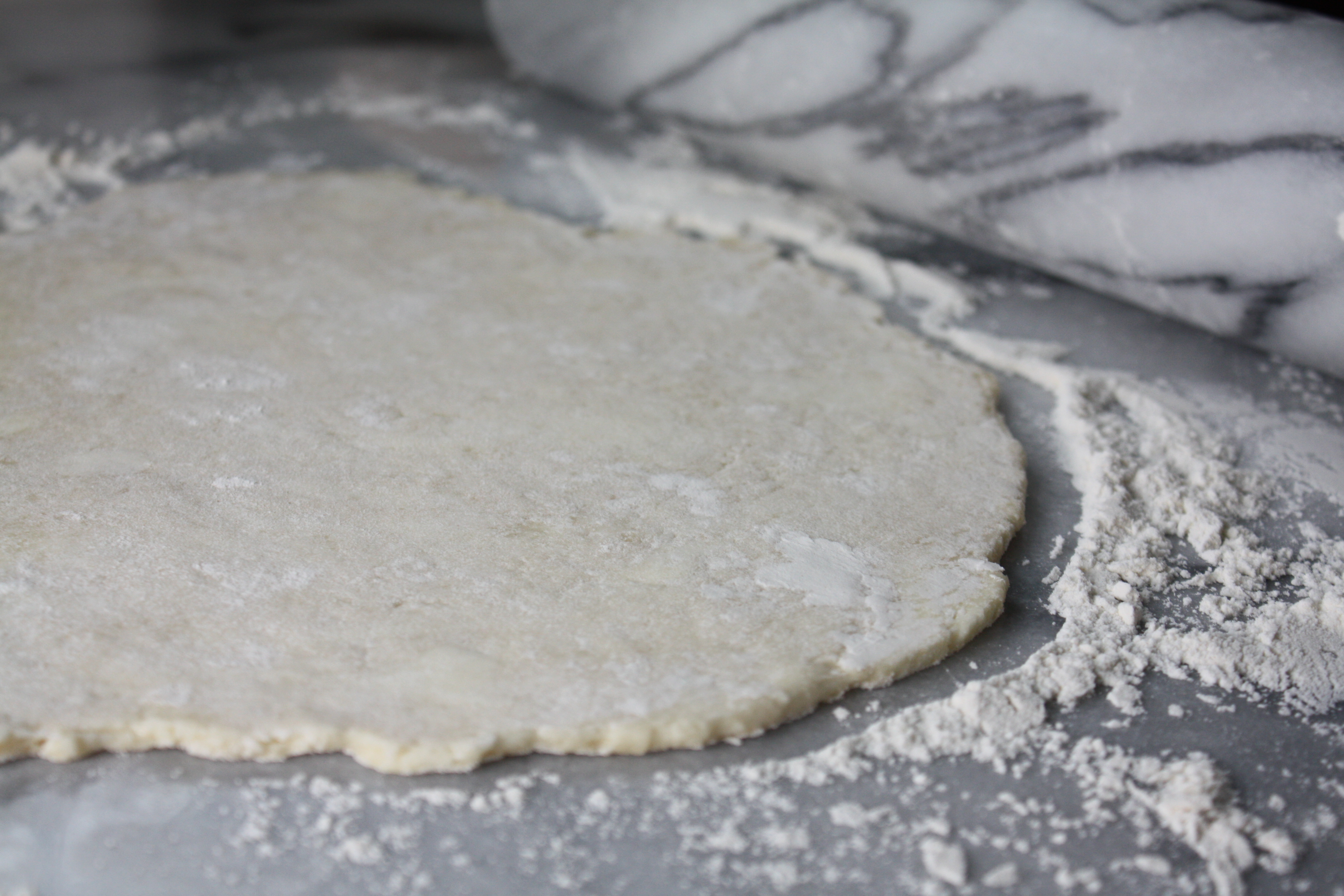
Once cool, roll out the dough on a well-floured surface, into a roughly circular shape, large enough for your pie pan. Periodically shift the dough to ensure it is not sticking. Add more flour under the dough, if necessary.

Once the dough is sufficiently large for your pie pan, using the rolling pin to help you transfer the dough into the pan. Carefully press the dough into the pan.

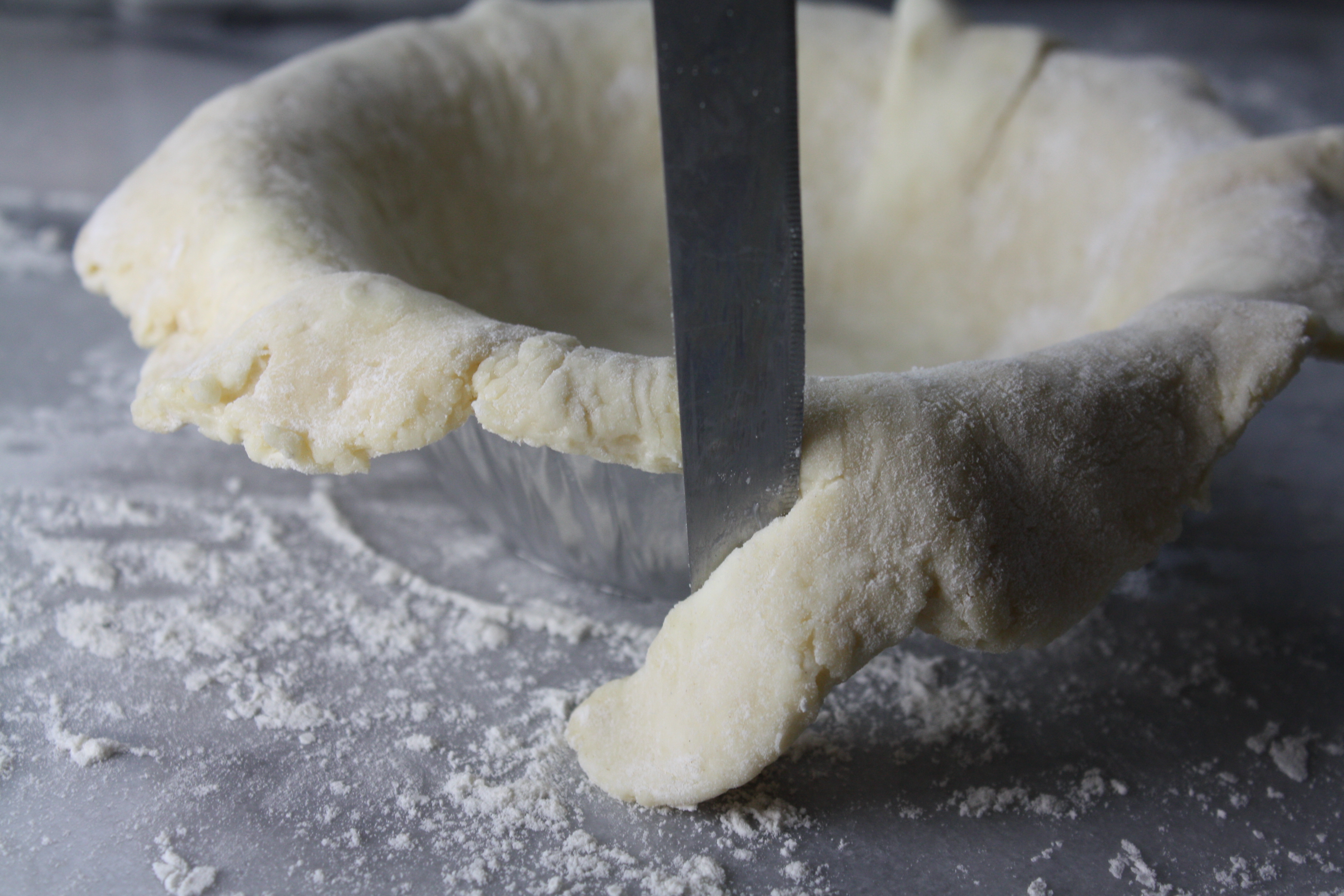
Use a knife to cut off any extra dough, leaving about an inch of dough around the perimeter.

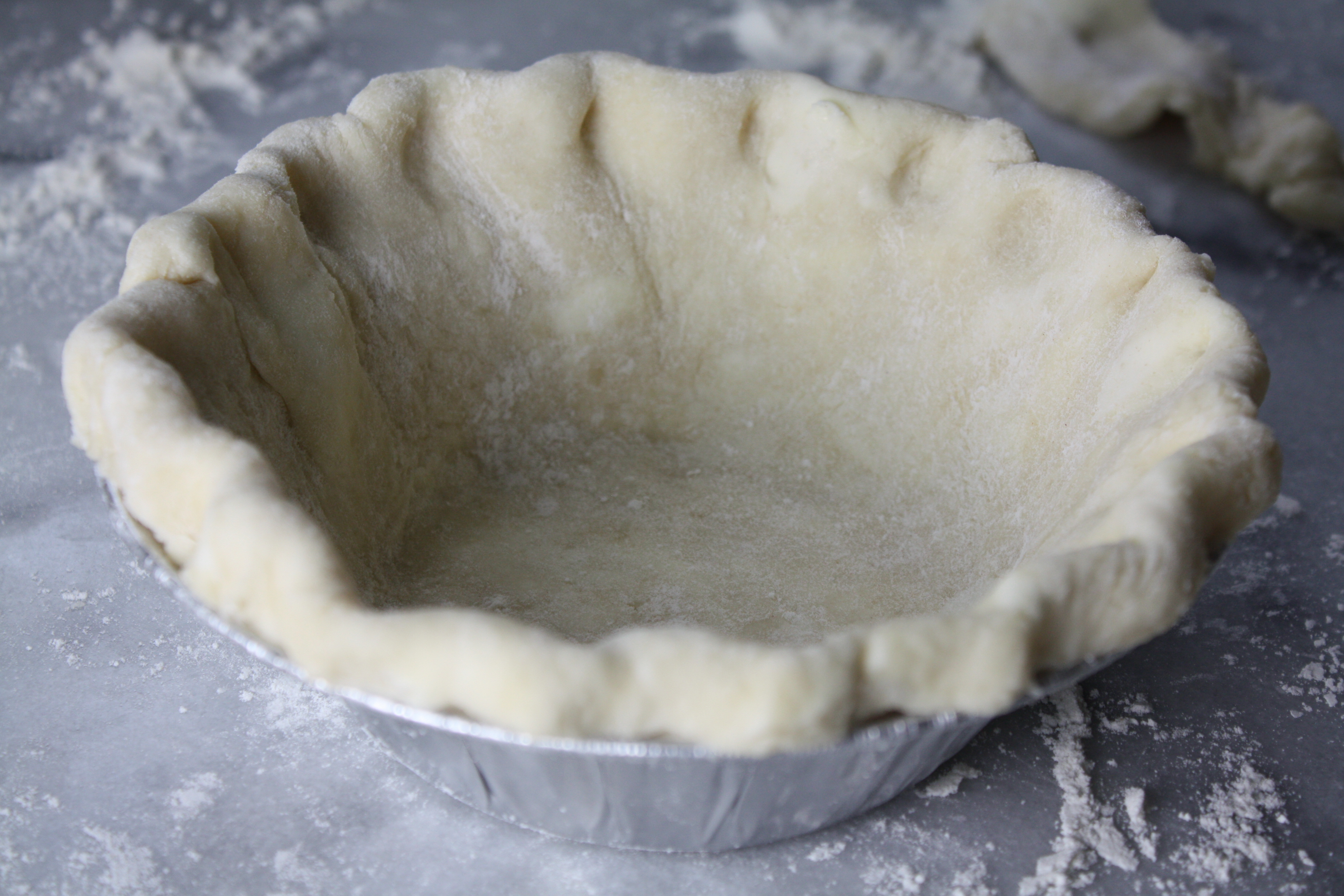
Fold the edge of the dough under and use your fingers to press the edge into a fluted design.

Refrigerate until using. Or wrap in plastic wrap and freeze for later use.

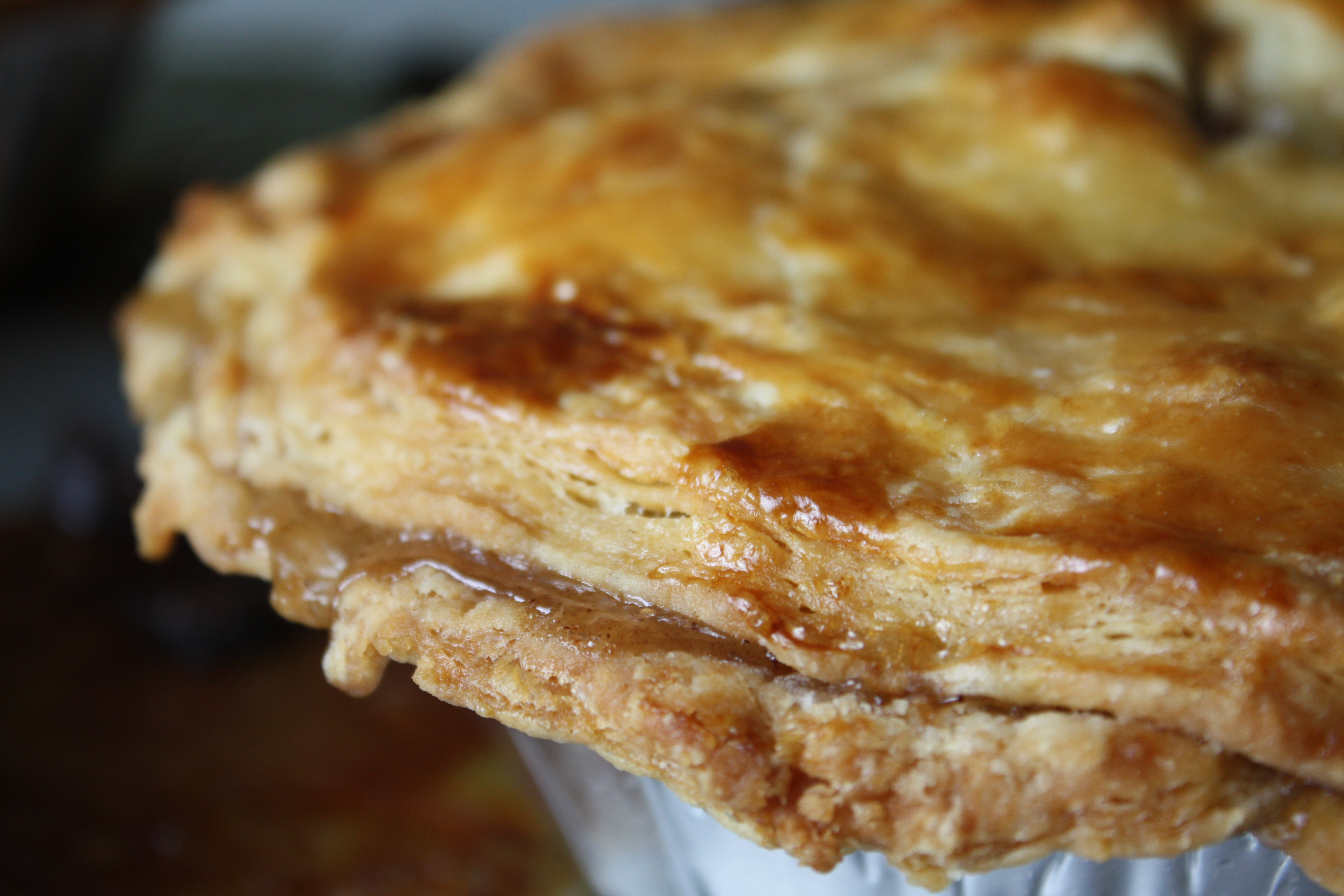
Check out those flakey layers!!

How to Roast Pumpkin Seeds

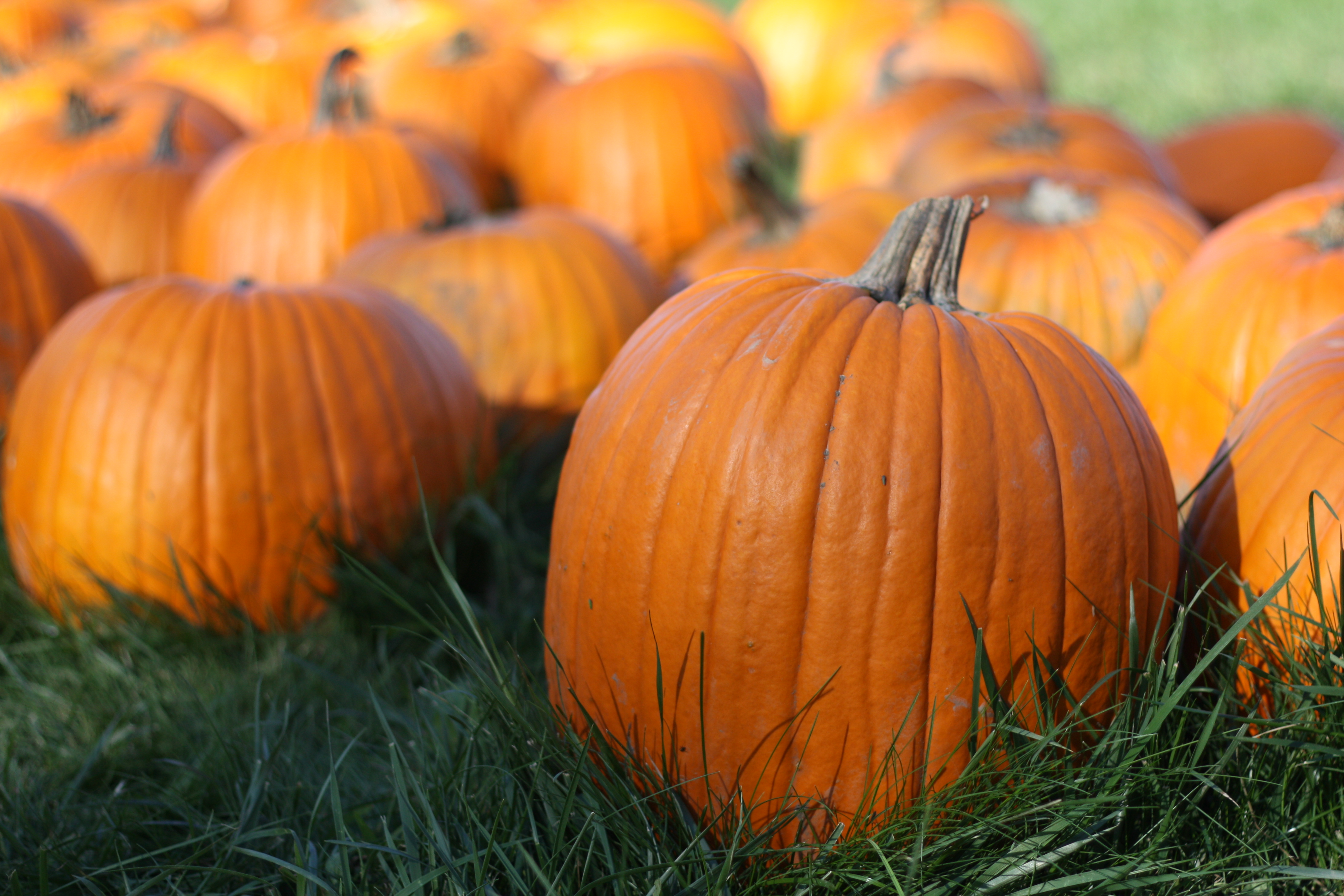
Got pumpkins?

Perhaps a few small ones destined for fresh pumpkin pie? Or maybe a great big one, awaiting its jack-o-lantern fate?

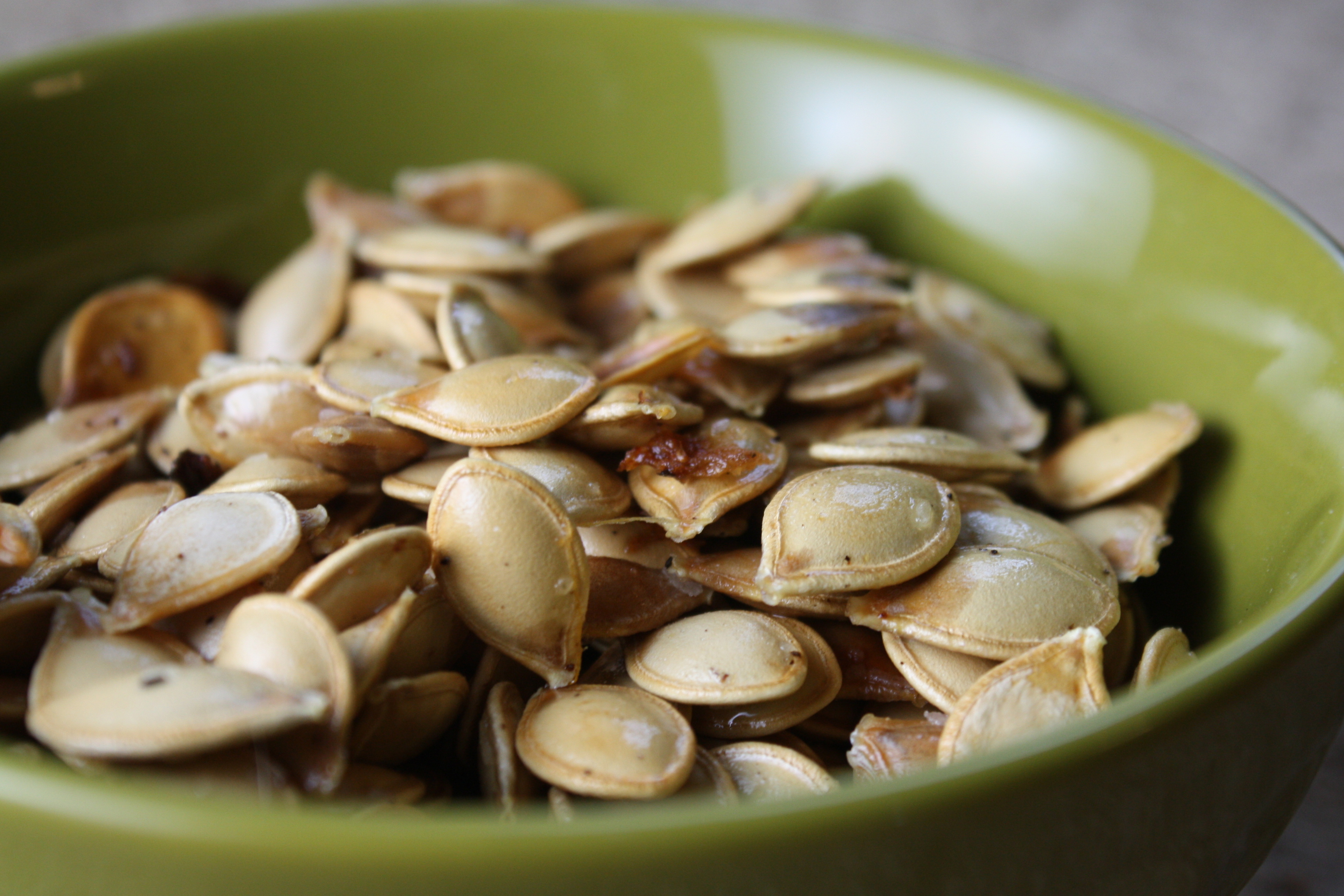
Whatever the case, save those seeds! Pumpkin seeds, or pepitas, make a delicious and incredibly nutritious snack. Follow this simple step-by-step guide on how to roast your fresh pumpkin seeds.

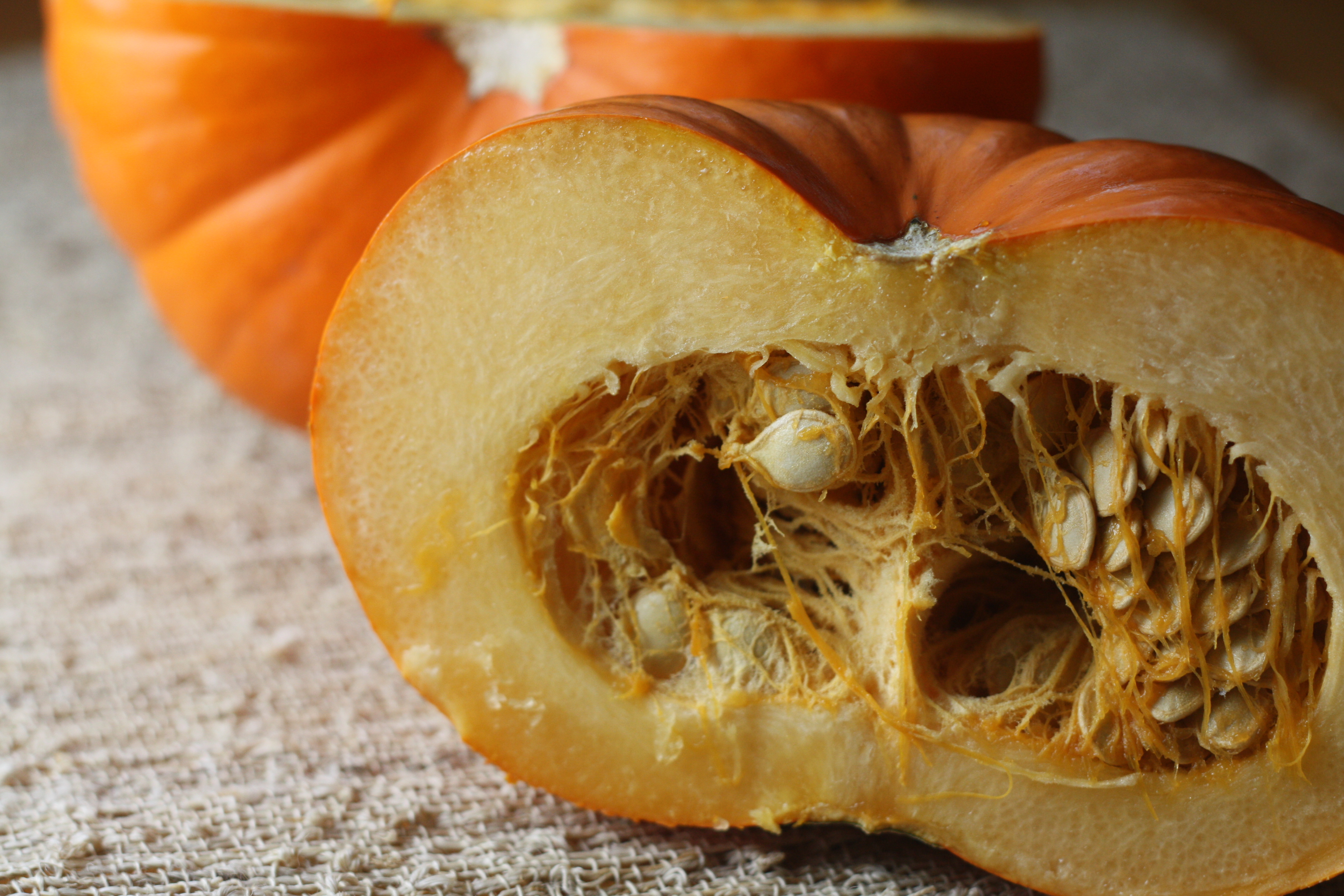
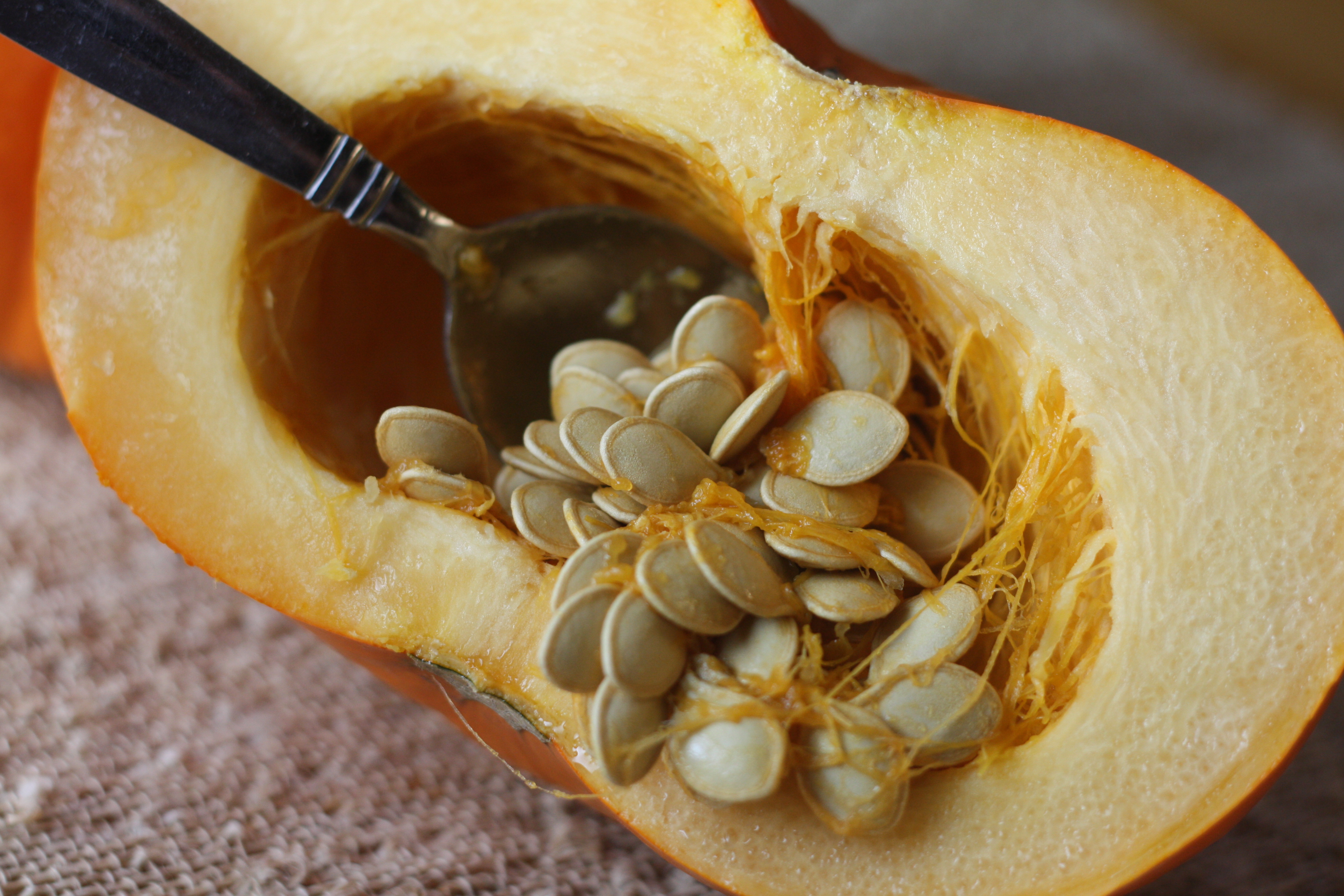
Step 1: Use a spoon to scoop seeds from the pumpkin.

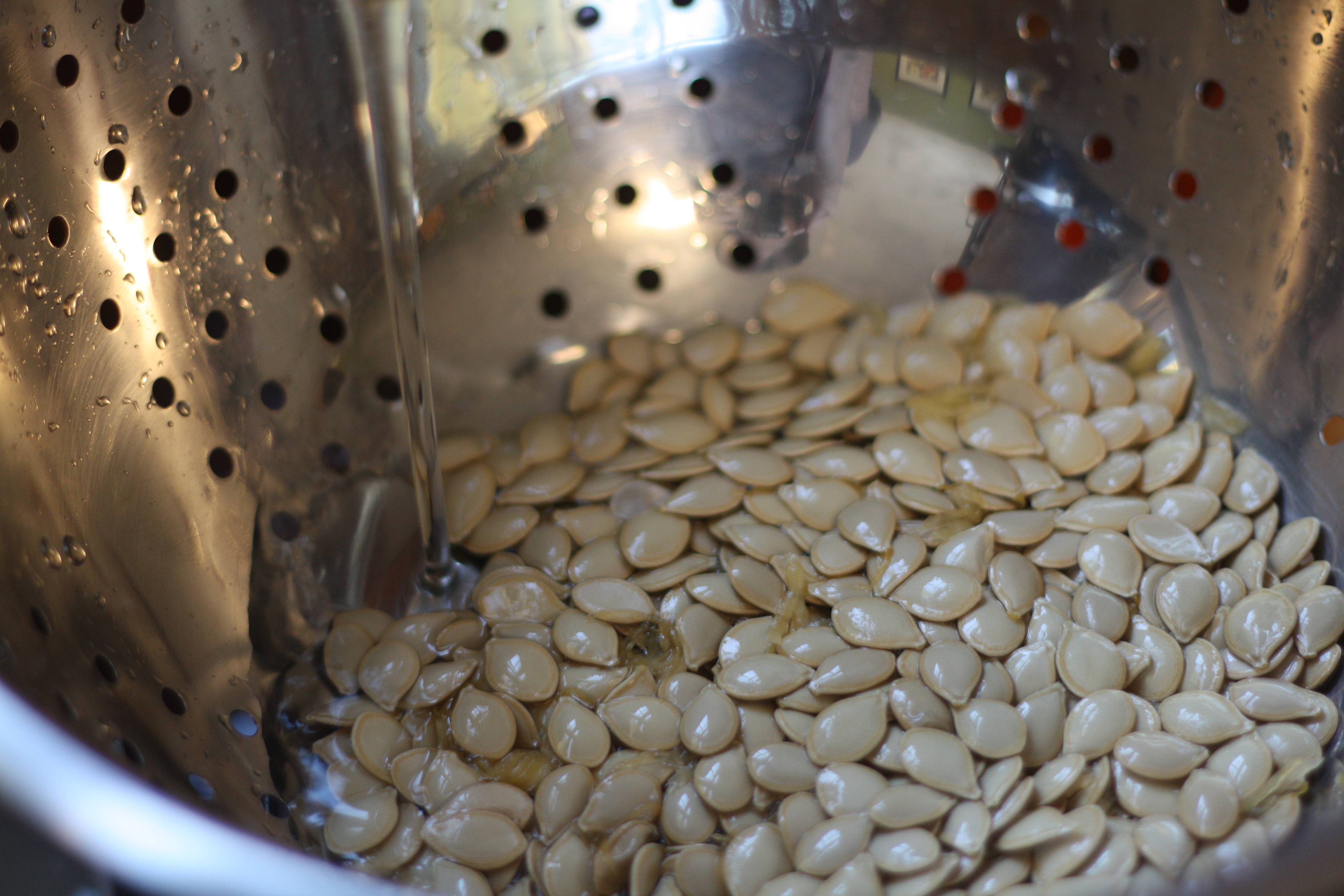
Step 2: Rinse the seeds under cool running water, while removing any stringy, orange pulp.

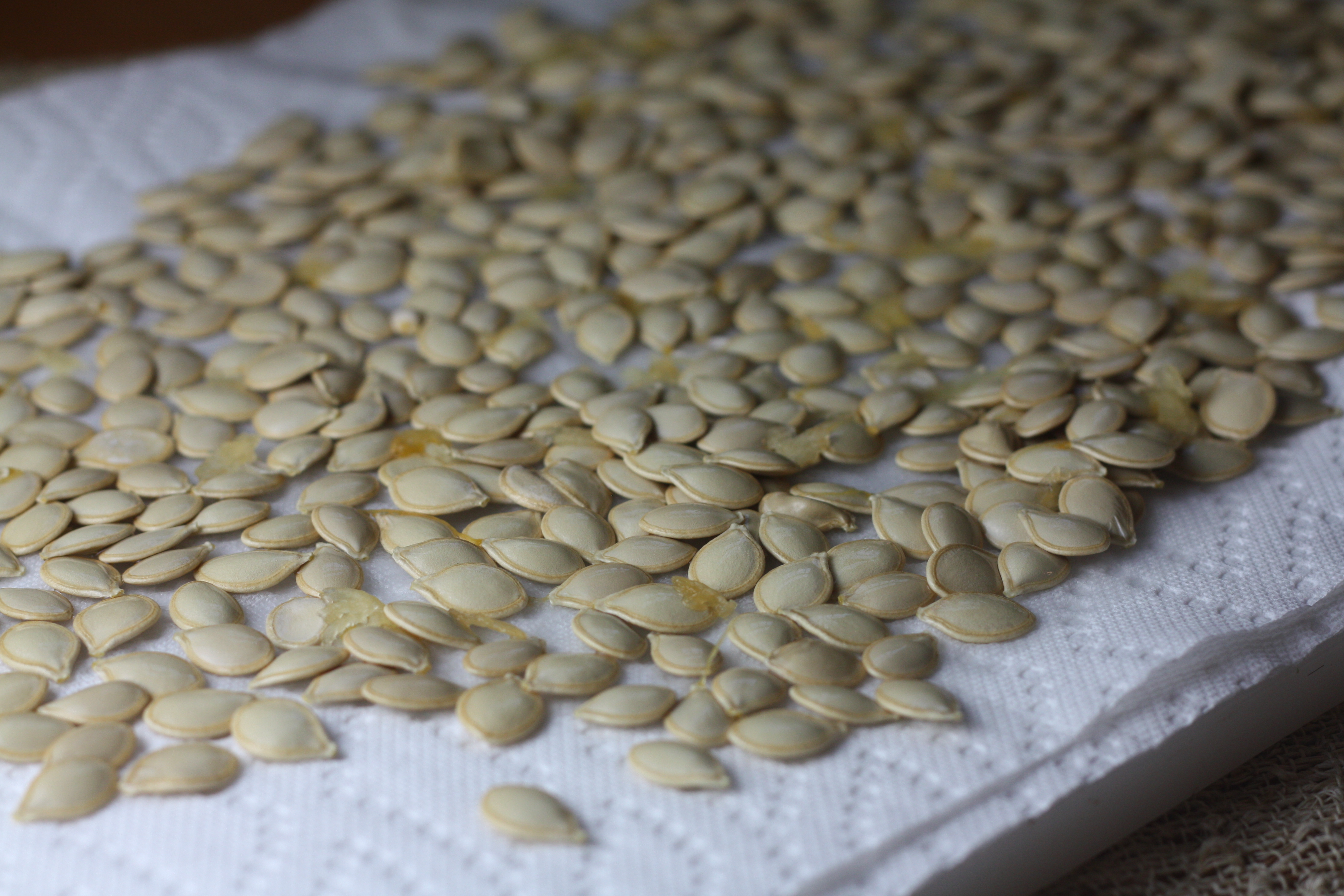
Step 3: Dry the seeds on a paper towel.

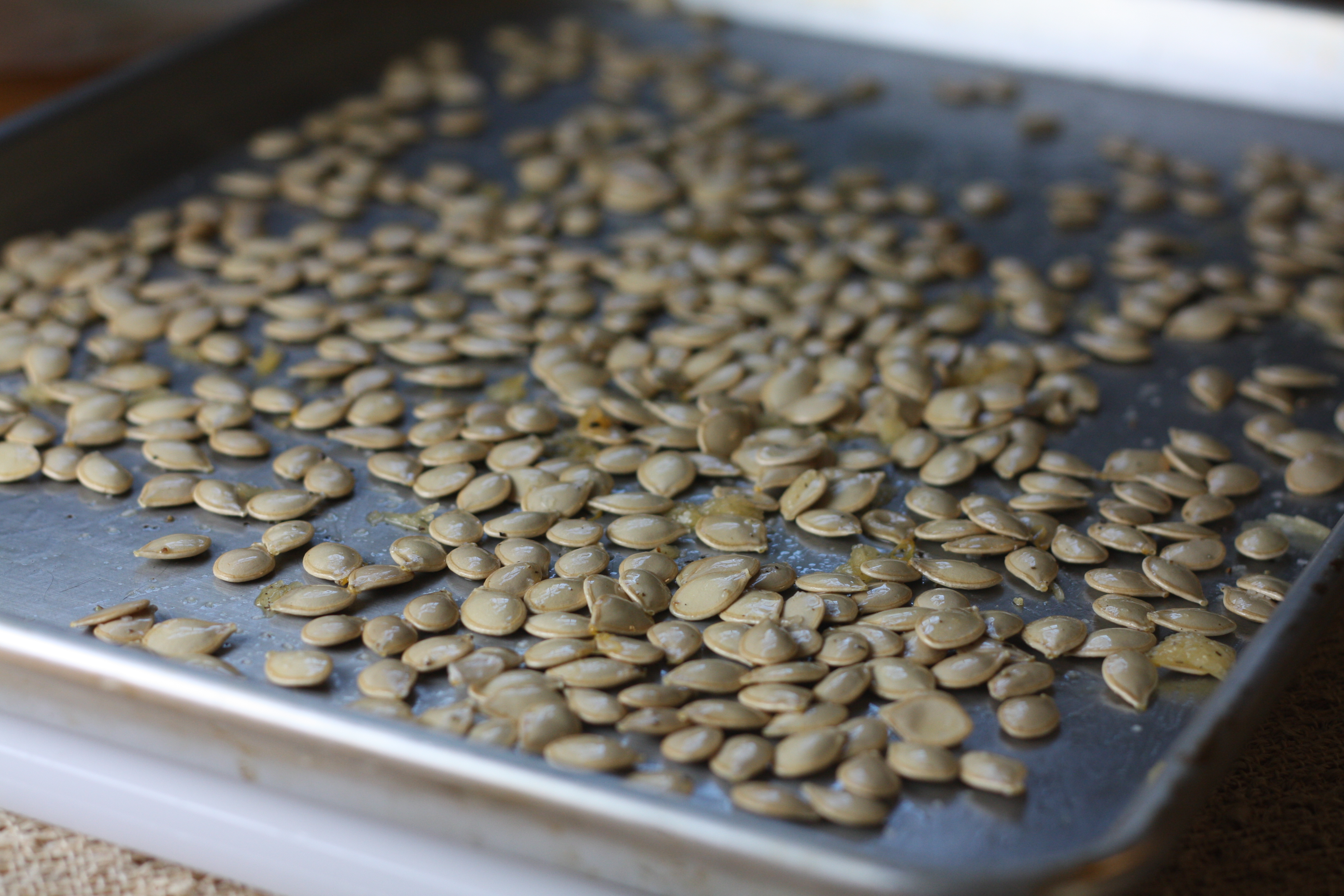
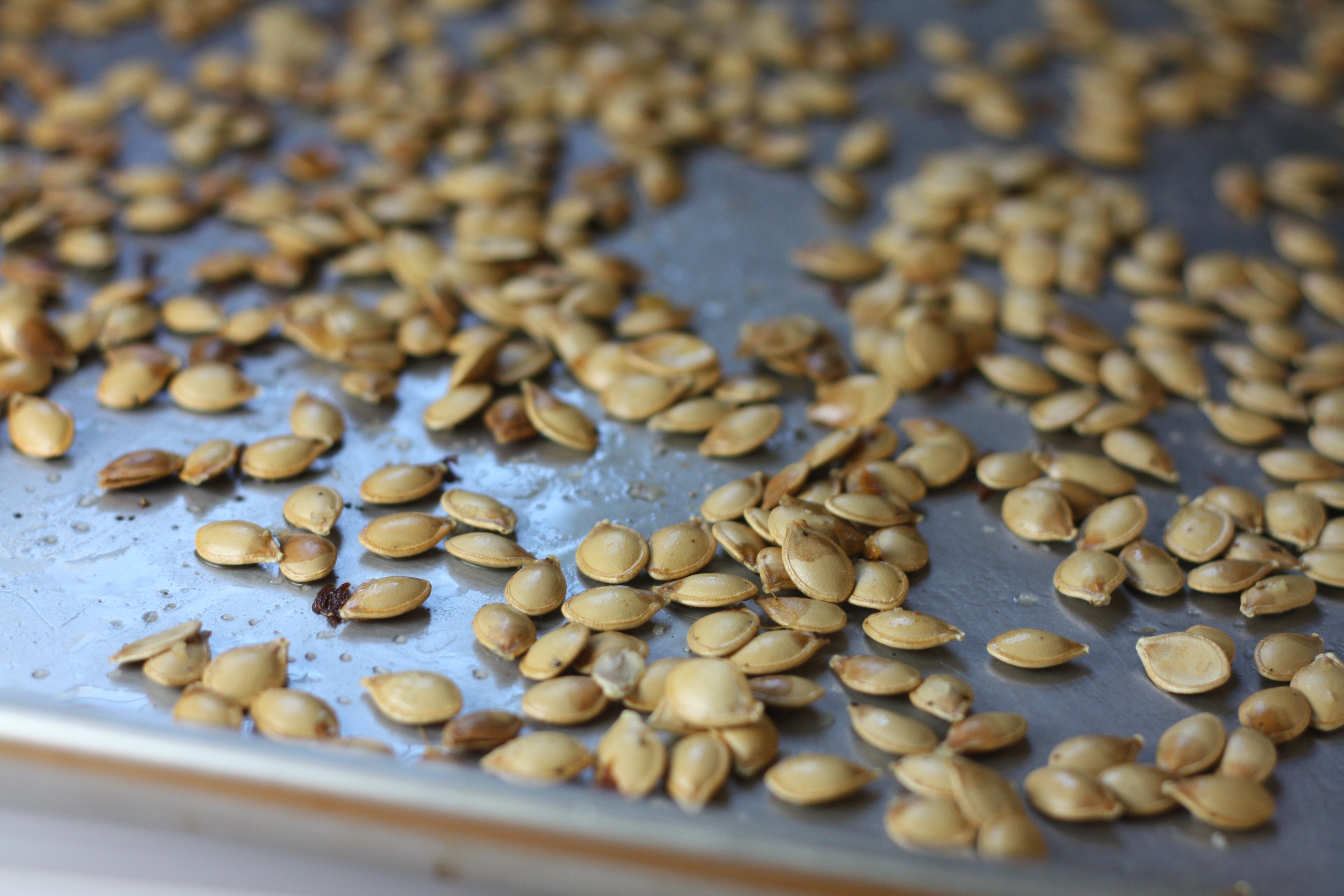
Step 4: Spread the seeds onto a baking sheet. Drizzle the seeds with a little olive oil and sprinkle with salt and pepper. Move the seeds around to evenly distribute the oil and seasonings.

Step 5: Bake for about 20 minutes at 375 degrees.

Enjoy!

You can have fun with the seasonings for your seeds. I prefer basic salt and pepper pepitas, but you may enjoy cinnamon sugar, parmesan cheese, garlic salt, or even chile flavored seeds!

How to Prepare Fresh Pumpkin

Posted on

Welcome, October! Quite possibly my favorite month of the year. Well, maybe except for December.

Because December means Christmas. And Christmas makes me burst with happiness.

But October means beautiful changing leaves, my birthday, Halloween candy, warm sweaters, soft hoodies, and pumpkins; lots and lots of pumpkins!

As I write, there are a few pumpkins roasting in the oven, making my home smell like autumn. I’m working on a new pumpkin recipe today. Think fresh, roasted pumpkin with rich cream, and perhaps a touch of caramel. Oh, and it’s not a dessert! Look for it later this week.

In the mean time, I thought you may want to brush up on your procedure for preparing fresh pumpkin puree by taking a look back at my no-fuss step-by-step guide. Click HERE to begin your pumpkin journey.

You may also want to check out these delicious pumpkin recipes:

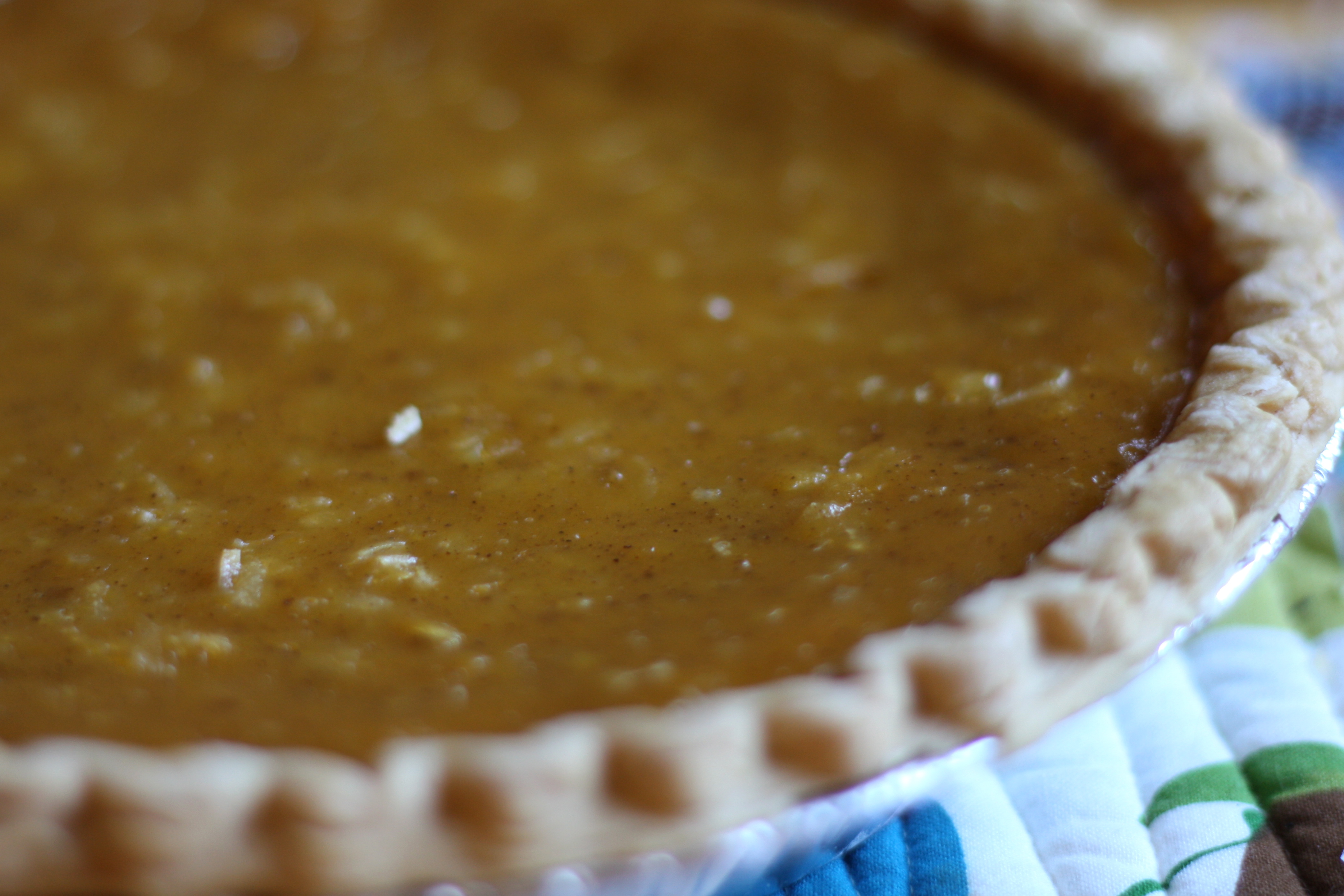
Fresh Pumpkin Coconut Pie

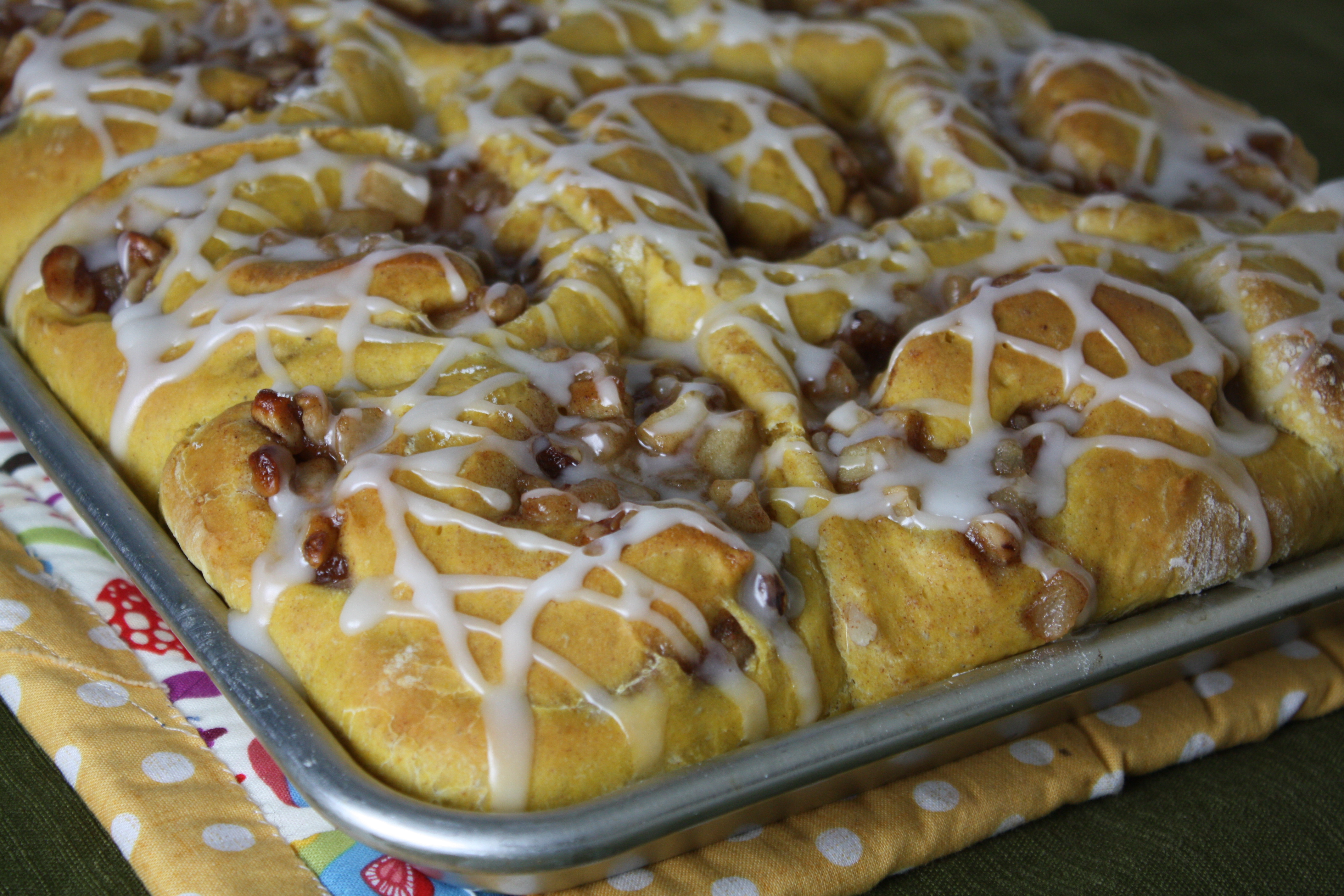
Autumn Harvest Buns

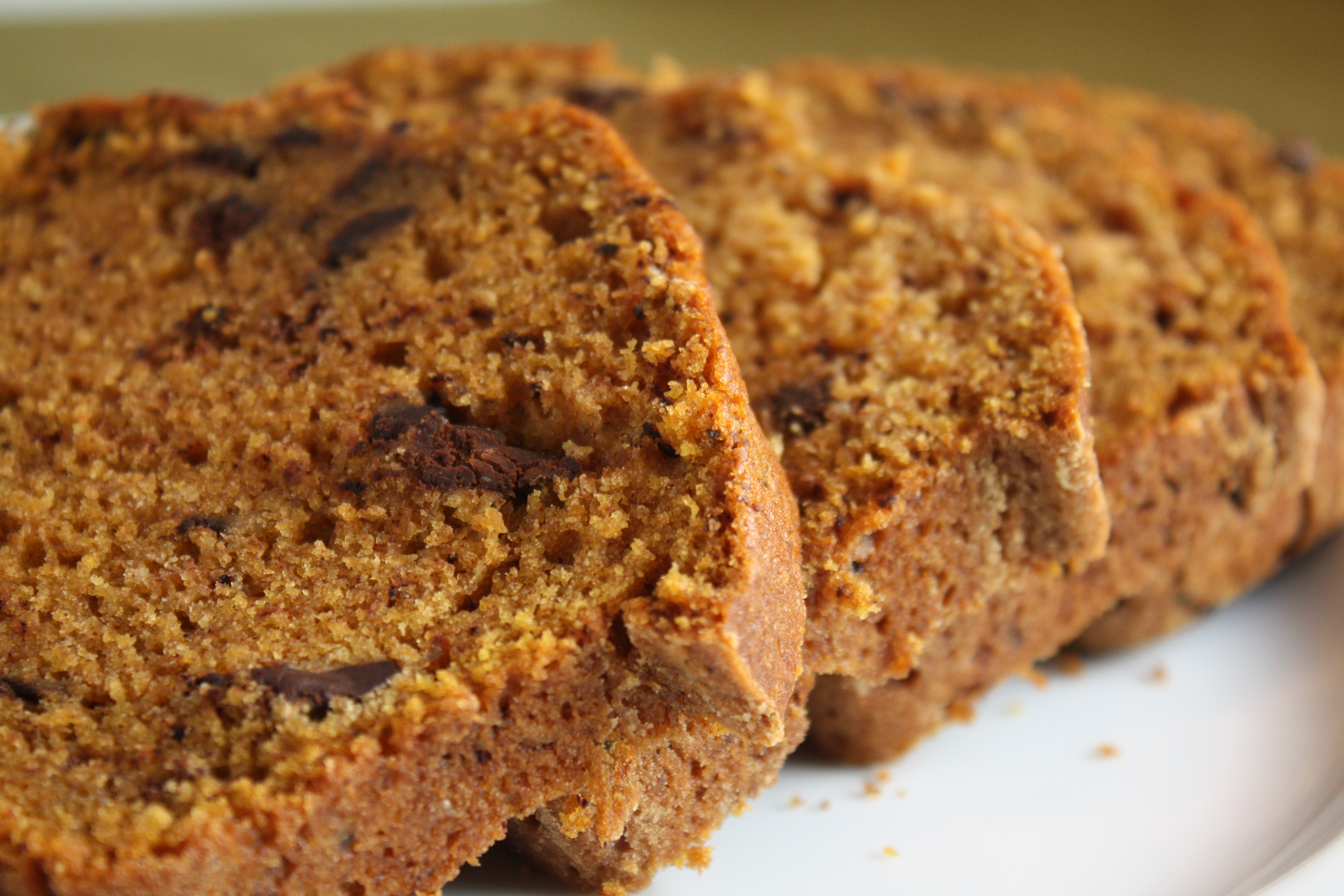
Pumpkin Chocolate Chunk Bread

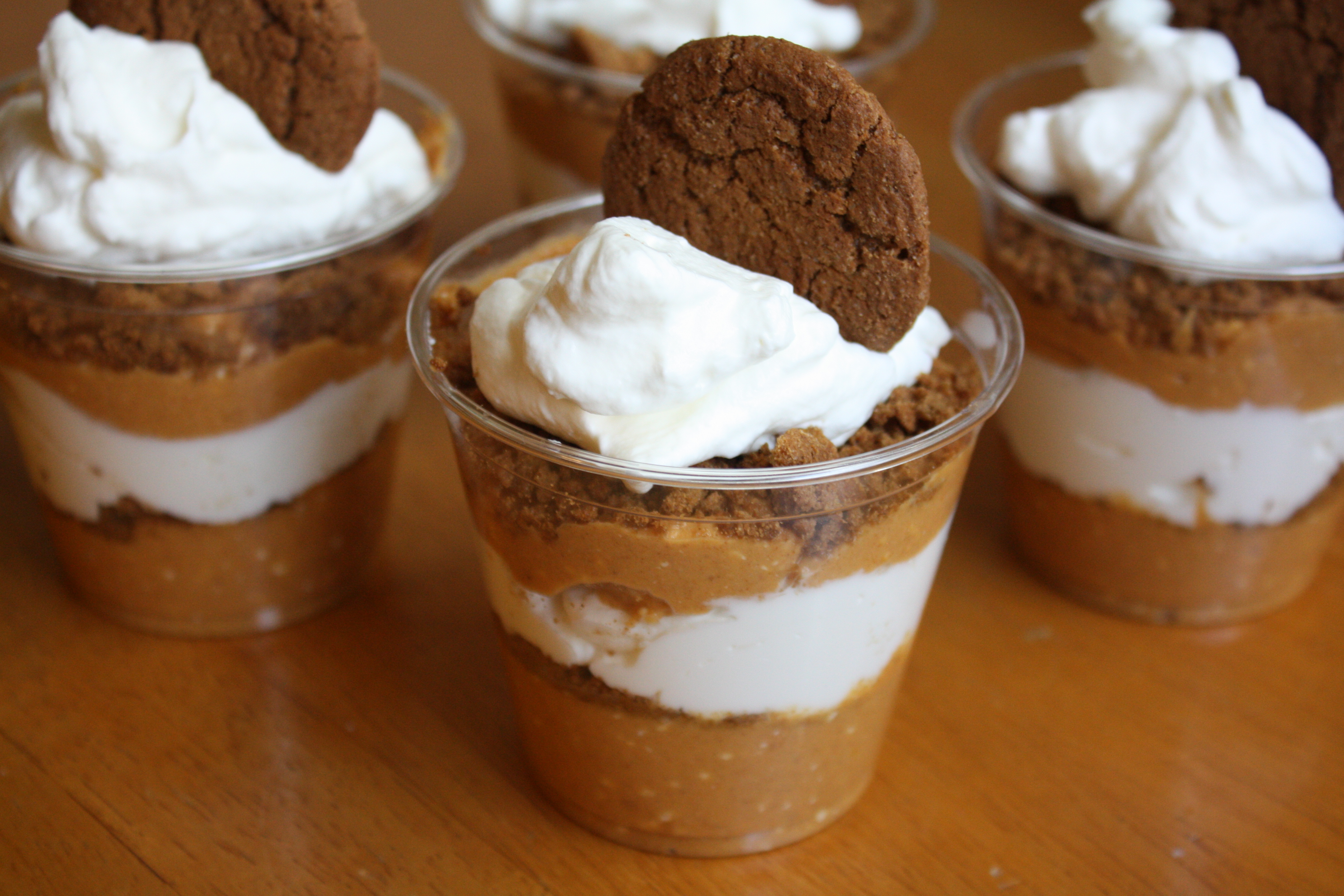
Pumpkin Gingersnap Parfaits

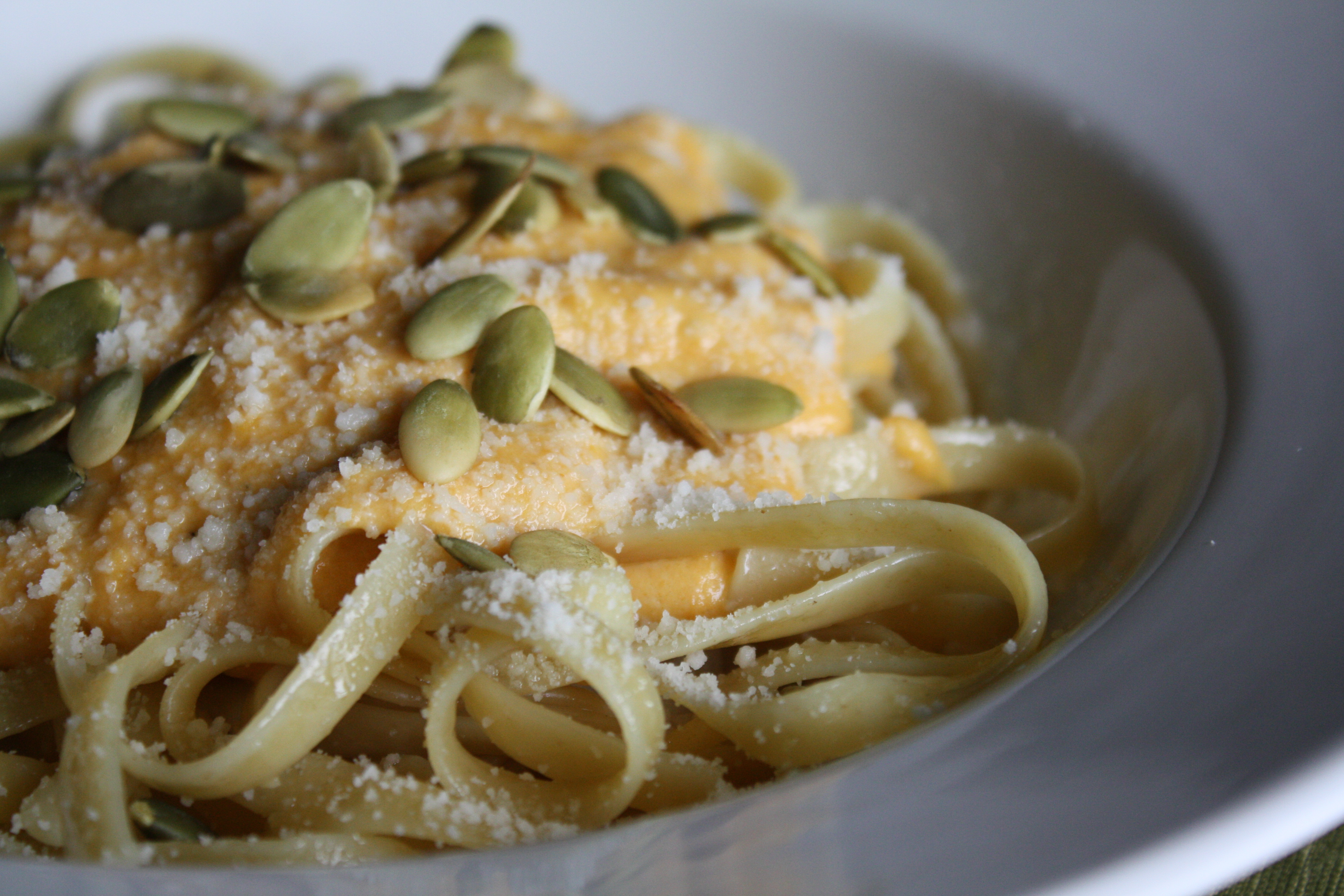
Fettucine with Pumpkin Alfredo Sauce 

How to Make Cake Pops

Cake pops are all the rage these days…or am I thinking of cupcakes? Or is it macarons?? I can’t keep up. But, you can find cake pop recipes and ideas all over the internet and magazine covers these days. Starbucks even carries these sweet treats right next to the muffins and dessert bars. They’re insanely cute and super fun to eat. The best part is that there are a million possible flavor and design combinations.

Once you’ve got the basic idea, you can have a lot of fun customizing these little goodies with different flavors of cake, frosting, and candy coating! Then, get creative with the decorating! I’m already planning on making bloody eyeball cake pops for Halloween, turkeys for Thanksgiving, and snowmen and trees for Christmas!

For my little guy’s third birthday (and my first attempt at cake-popping), I made a batch of decadent triple chocolate cake pops. It’s a simple, but somewhat time-consuming process, so plan ahead. Here’s how it’s done.

You will need:

  • 1 13×9 inch cake
  • Cake frosting (approximately 1 1/2 cups)
  • Lollipop sticks
  • Candy Melts (approximately 4 cups)*
  • Sprinkles or other decorating candies (optional)

*If your grocery store doesn’t carry the candy melts, check your local craft store. They come in all sorts of colors and flavors!

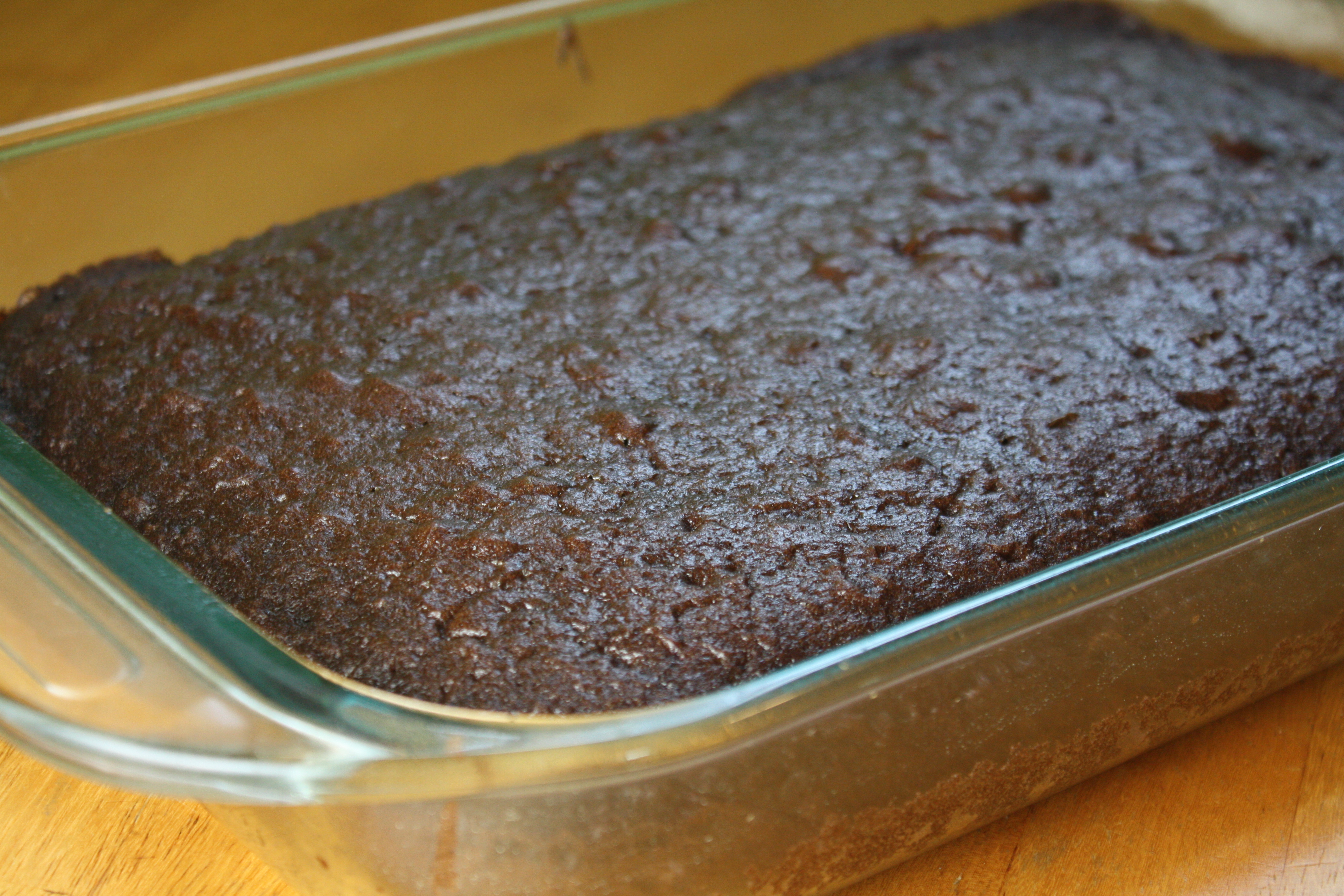
Bake a 13 x 9 inch cake. Use your favorite homemade recipe or one box of any flavor cake mix. (You can bake the cake a day ahead of time, if desired.)

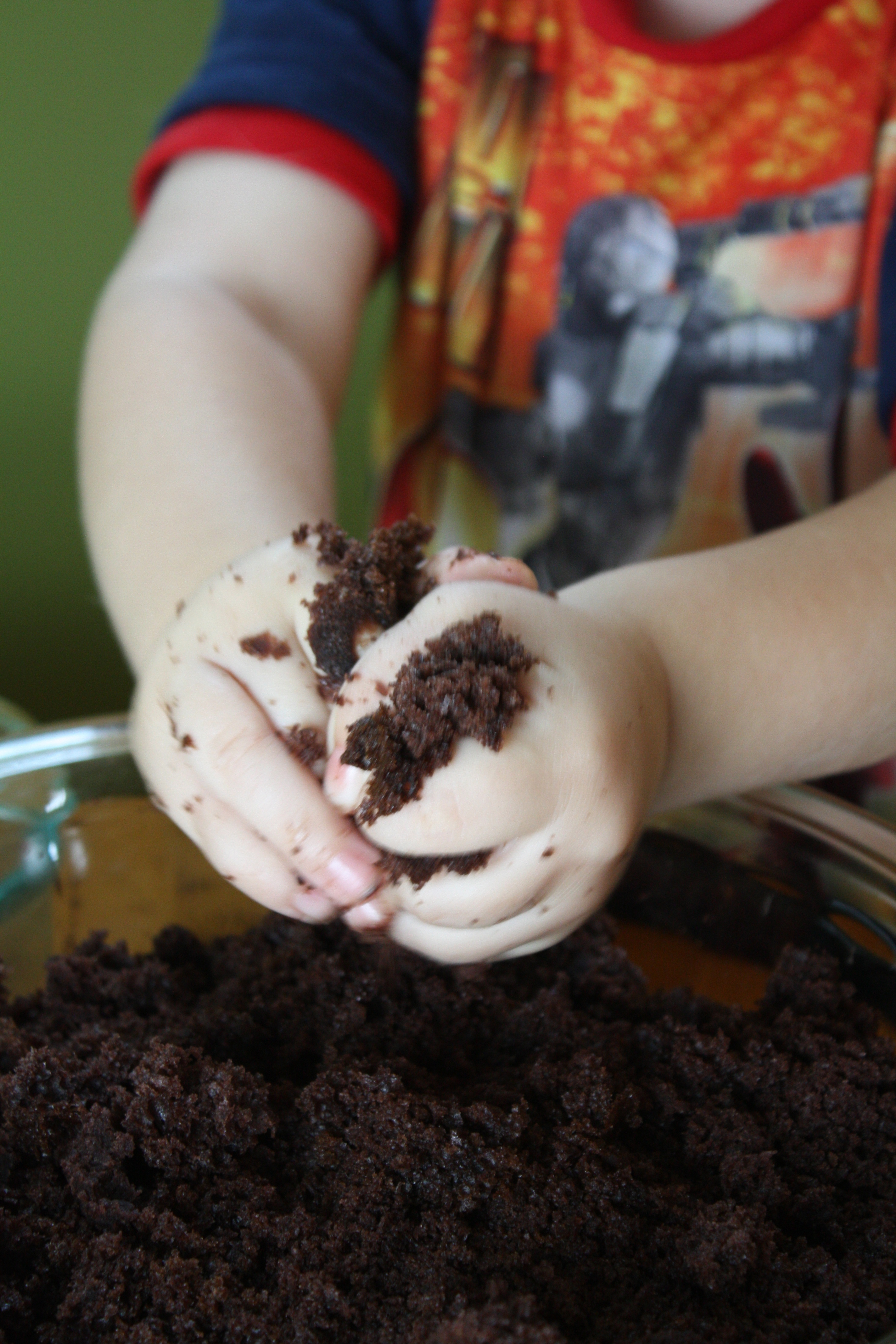
Once cool, crumble the cake into fine crumbs. This is a perfect job for little helpers.

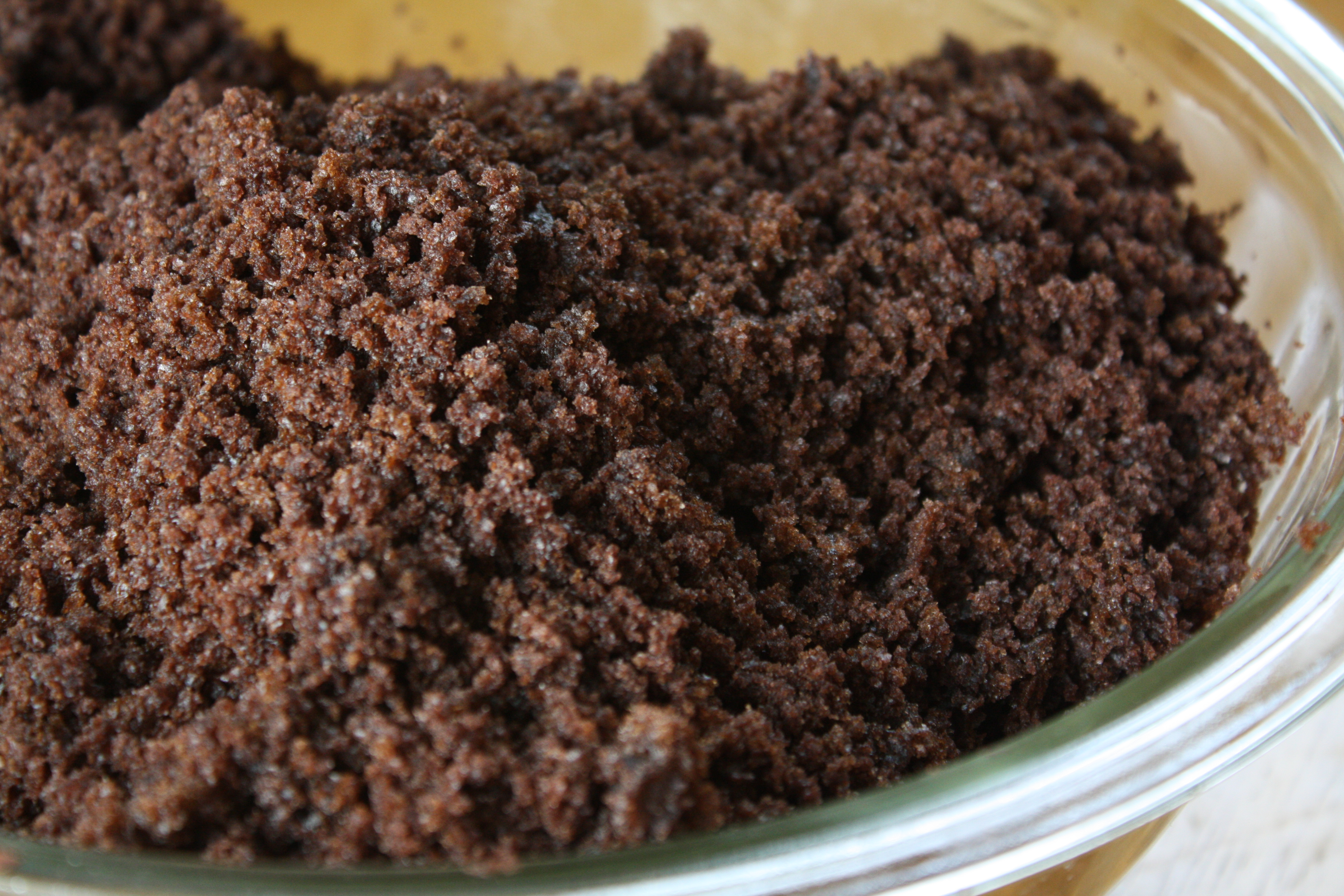
You’ll end up with a big bowl of fine cake crumbs.

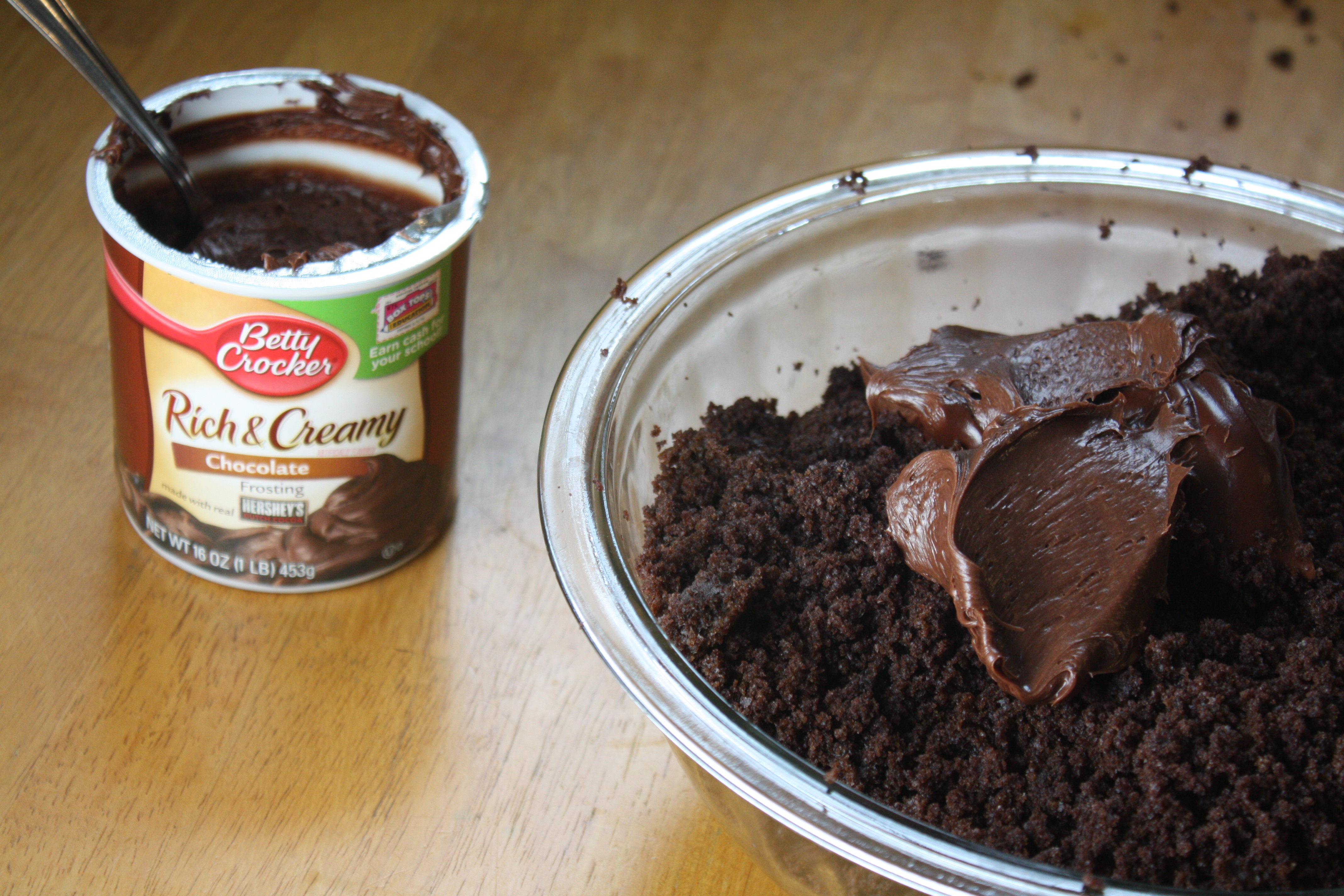
Combine the cake crumbs with any flavor frosting. A container of prepared frosting works fine or use your favorite homemade. Depending on how moist the cake is, you probably will not need the whole container of frosting. About 3/4 of a 16-ounce container should do the trick. You want the mixture to be moist enough to mold, but not too mushy. Mushy cakes will have a harder time staying on the sticks…lesson learned the hard way.

Refrigerate for about 30-45 minutes (or longer) to help firm up the mixture.

Roll the mixture into balls, just over an inch in diameter.

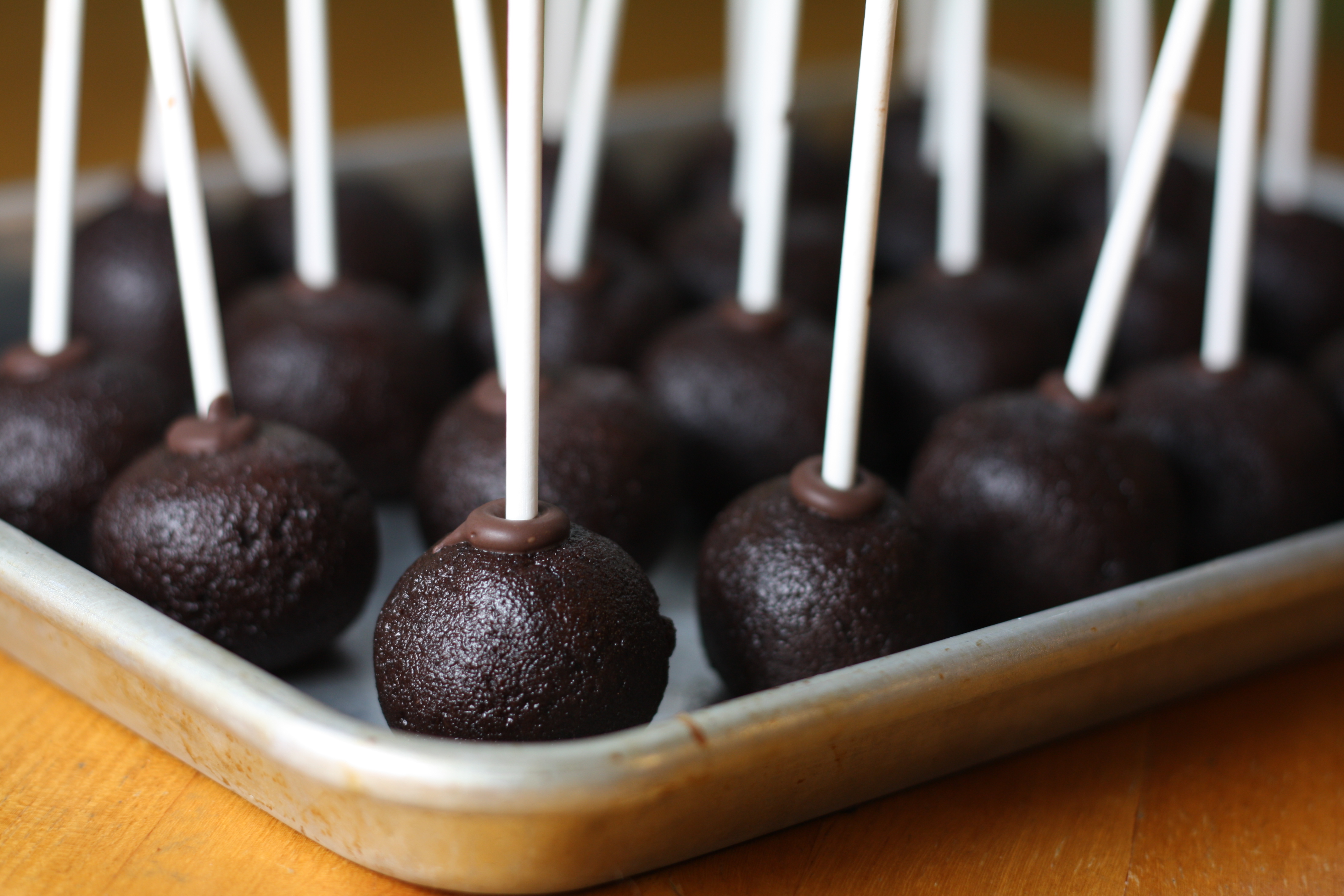
Melt a small quantity of the candy melts according to package directions. Dip the end of each lollipop stick into the melted candy, then insert the stick a little more than halfway through each cake ball. Place each pop upside down on a baking sheet and refrigerate until quite firm.

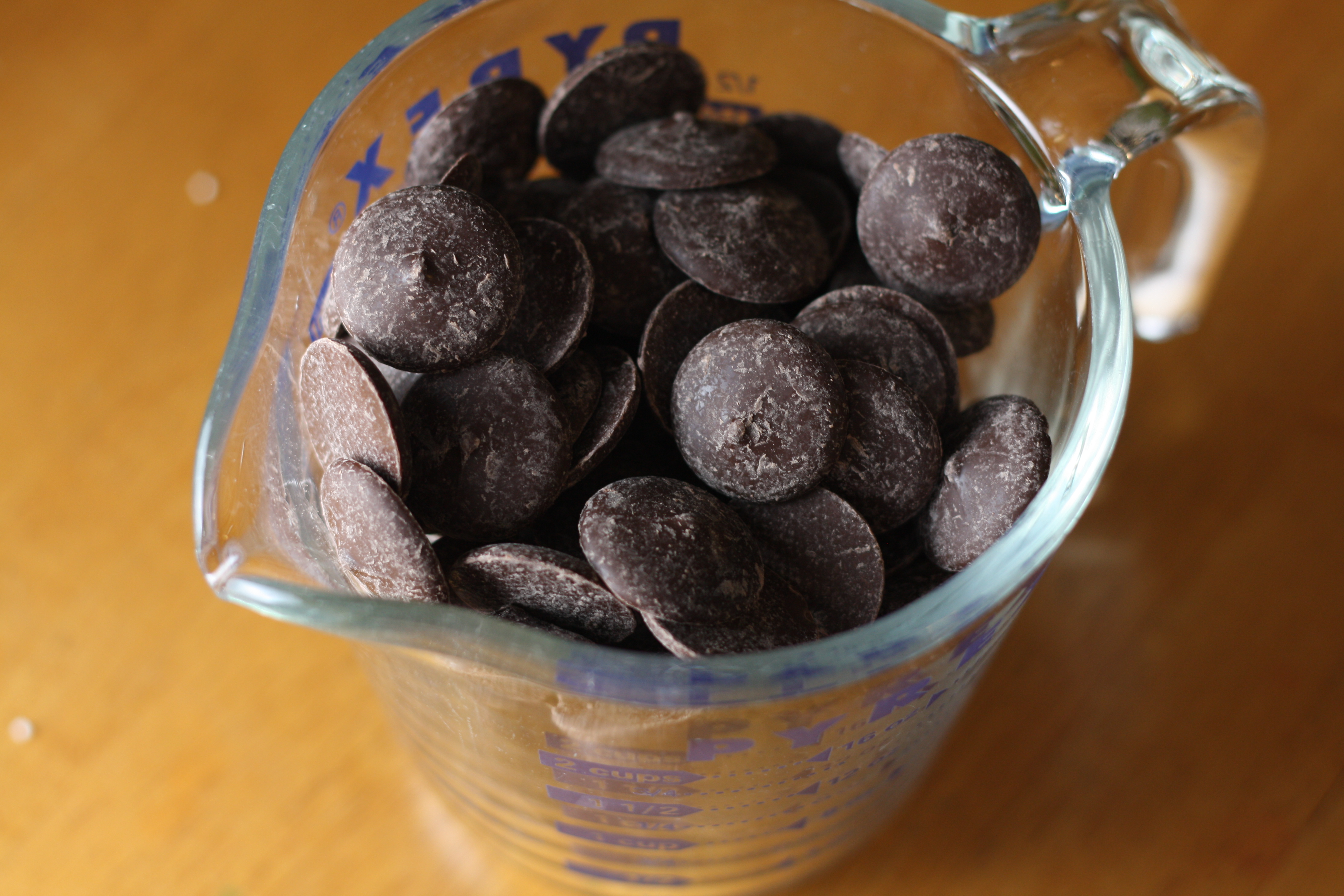
Once firm, warm the candy melts according to package directions. Use a container that is tall and narrow enough to fully submerge each cake pop into. A 2-cup pyrex measuring cup worked well.

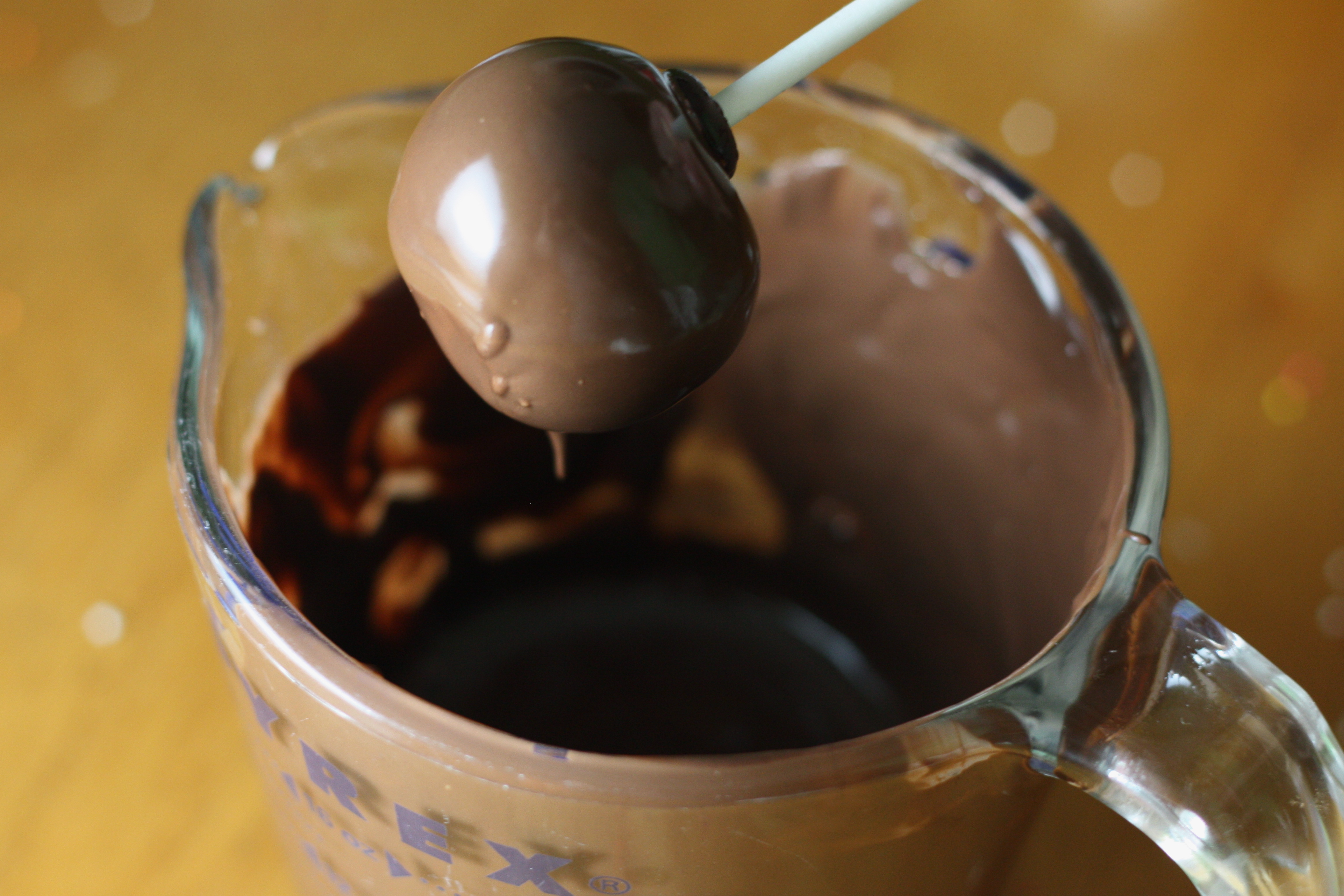
Dip each pop into the melted candy. Gently swirl the pop to remove excess candy. (Skipping the swirl step will result in a candy coated stick. Trust me on that one.)

Decorate with sprinkles or candies, if desired. Then, place each pop into a piece of styrofoam to dry upright at room temperature. (Refrigeration will cause condensation on the surface of your pops. Another lesson learned the hard way.) The candy exterior will harden at room temperature.

The Gourmand Mom

Good food, seasoned with a dash of life